
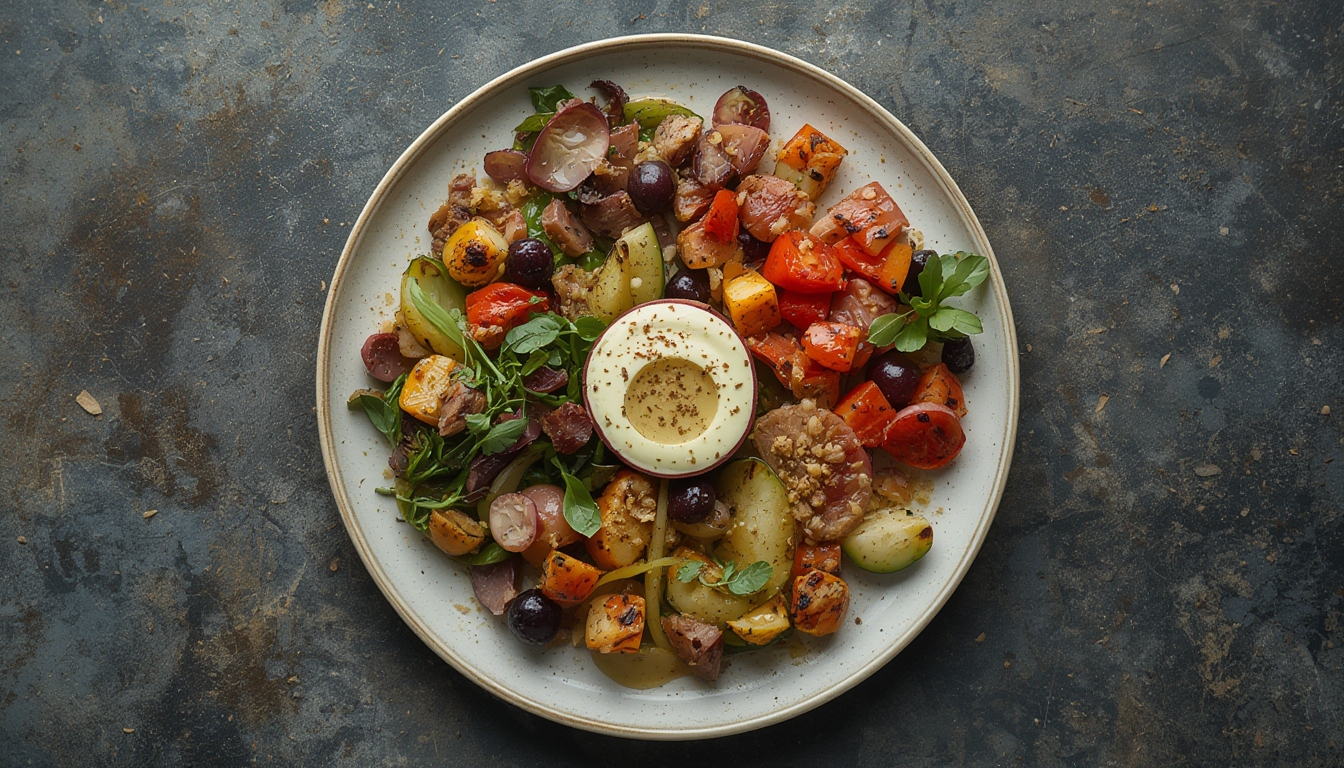
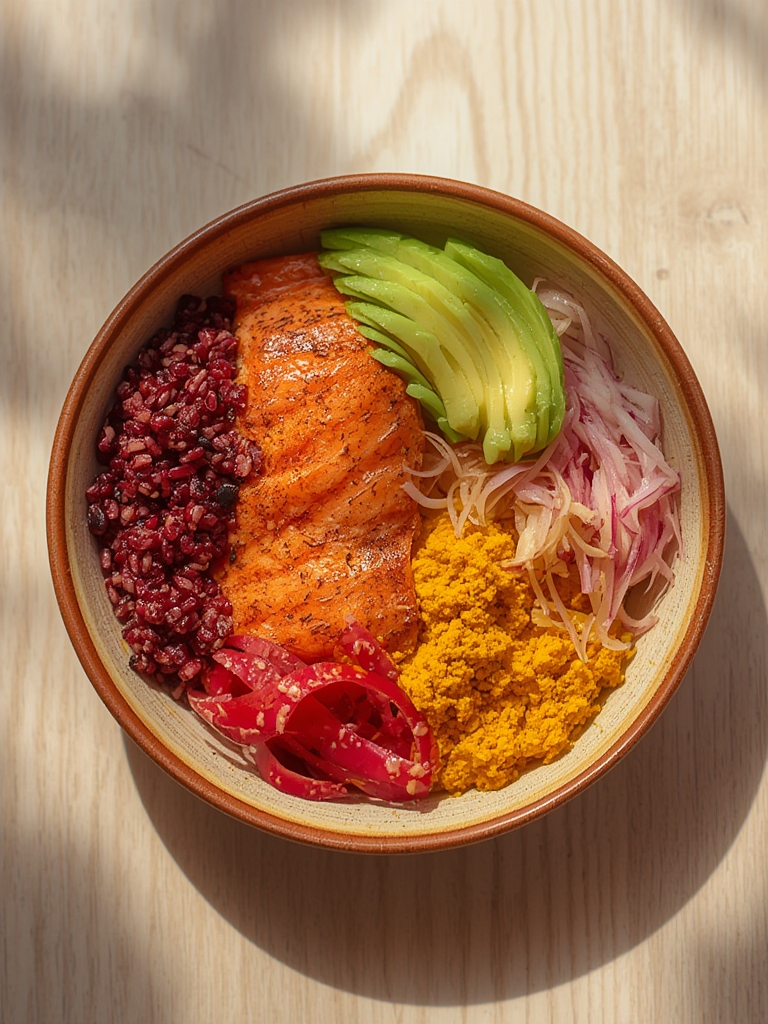
Adopting a plant‑forward and flexitarian approach doesn’t mean you have to become a full‑time vegan; it simply means letting vegetables, legumes, whole grains, and nuts take the spotlight on most meals while still allowing occasional animal‑based proteins. The beauty of this style lies in its flexibility and its positive impact on health, the environment, and your wallet. Below is a data‑driven, step‑by‑step guide that walks you through selecting, growing, and caring for the key plant ingredients that make plant‑forward plates shine, plus actionable tips to turn those fresh harvests into delicious, balanced dishes.
Why Choose Plant‑Forward & Flexitarian Eating?
Recent studies show that diets rich in plant foods can reduce the risk of heart disease by up to 30% and lower greenhouse‑gas emissions by an average of 2.5 t CO₂e per person per year compared with typical Western diets. Flexitarian eating captures these benefits while preserving culinary freedom, making it a sustainable lifestyle choice for a broad audience.
Step 1: Pick the Right Plants for Your Plate
Start by selecting versatile, nutrient‑dense crops that thrive in most home‑garden conditions. Below are three categories with the best options for a plant‑forward kitchen.
Kale & Dark Leafy Greens
- Nutrient profile: 1 cup of cooked kale provides 106 % of the daily vitamin K requirement and 7 % of protein.
- Growth zone: USDA zones 4‑9.
- Season: Plant in early spring or late summer for a fall harvest.
Legumes (Chickpeas, Lentils, Peas)
- Nutrient profile: ½ cup cooked lentils delivers 9 g protein, 8 g fiber, and iron comparable to red meat.
- Growth zone: Zones 3‑10; most legumes prefer well‑drained soil with pH 6.0‑7.0.
- Season: Direct‑seed after the last frost; harvest 70‑90 days later.
Whole Grains (Quinoa, Buckwheat, Oats)
- Nutrient profile: Quinoa provides a complete amino‑acid profile and 5 g fiber per ½ cup cooked.
- Growth zone: Quinoa thrives in zones 5‑9, tolerates cooler temperatures.
- Season: Plant early spring; harvest when seed heads turn golden.
Step 2: Prepare Your Soil – The Foundation of Success
Healthy soil equals healthy plants, which translates to more flavor and nutrition on your plate.
Test and Amend
- Use a simple home soil test kit (pH, nitrogen, phosphorus, potassium). Aim for pH 6.0‑6.8 for most vegetables.
- Add organic compost (2‑3 inches deep) to improve structure and microbial activity.
- Incorporate a balanced organic fertilizer (e.g., 5‑10‑5) if nitrogen levels are low; legumes will fix nitrogen, reducing the need for extra fertilizer.
Mulch for Moisture Retention
Apply a 2‑inch layer of straw, shredded leaves, or wood chips around plant bases. Mulch reduces water loss by up to 30 % and suppresses weeds, letting you spend less time weeding and more time cooking.
Step 3: Planting Techniques for Maximum Yield
Spacing and Depth
- Kale: Sow seeds ¼ inch deep, 12‑18 inches apart. Thin to 12‑inches once seedlings have 2 true leaves.
- Chickpeas: Plant 1‑inch deep, 6‑8 inches apart in rows spaced 18‑24 inches. Use a trellis for support if needed.
- Quinoa: Sow seeds ½ inch deep, 12‑inches apart; thin to 18‑inches for larger seed heads.
Companion Planting
Pairing plants can boost growth and deter pests. For example, plant basil near kale to repel aphids, and interplant peas with carrots to improve soil nitrogen levels.
Step 4: Watering – Consistency Over Quantity
Most plant‑forward crops prefer steady, moderate moisture. Over‑watering can lead to root rot, while under‑watering reduces leaf size and seed production.
Practical Watering Schedule
- Check soil moisture 2 inches below the surface; it should feel damp, not soggy.
- Water early in the morning to reduce evaporation—typically 1‑1.5 inches per week for most vegetables.
- Use drip irrigation or soaker hoses to deliver water directly to the root zone, increasing efficiency by up to 40 %.
Step 5: Pest Management – Keep It Organic
Integrated pest management (IPM) minimizes chemical use while protecting yields.
Monitoring
- Inspect leaves weekly for signs of pests (holes, discoloration, webs).
- Use yellow sticky traps to catch flying insects like whiteflies.
Natural Controls
- Introduce beneficial insects such as ladybugs and lacewings.
- Spray a neem‑oil solution (1 tsp neem oil + 1 cup water) every 7‑10 days for aphids and spider mites.
- Apply diatomaceous earth around plant bases to deter slugs.
Step 6: Harvesting – Timing Is Everything
Harvest at the peak of flavor and nutrition to make the most of your plant‑forward plates.
Kale
- Pick leaves when they are 6‑8 inches long; younger leaves are milder.
- Harvest from the outside in, allowing the plant to keep producing.
Chickpeas
- When pods turn brown and begin to dry, gently pull the plant to harvest.
- Dry the beans for 2‑3 weeks before storing in airtight containers.
Quinoa
- Cut seed heads once they’re fully golden and the seeds rattle inside.
- Thresh by rubbing heads between your hands or using a clean tarp.
Step 7: Turning Fresh Harvest into Plant‑Forward Plates
Now that you have a bounty, here are three quick, data‑backed recipes that showcase the flexibility of a flexitarian diet.
1. Kale & Chickpea Power Salad
- Massage 4 cups chopped kale with 1 tbsp olive oil and a pinch of sea salt (improves nutrient absorption).
- Add 1 cup cooked chickpeas, ½ cup diced red bell pepper, and ¼ cup toasted pumpkin seeds.
- Dress with lemon juice, Dijon mustard, and a drizzle of honey; toss and serve.
2. Quinoa‑Lentil Stuffed Peppers
- Cook ½ cup quinoa and ½ cup green lentils together (ratio 1:2 water) until fluffy.
- Mix with sautéed onions, garlic, cumin, and chopped spinach.
- Stuff the mixture into halved bell peppers, top with a sprinkle of feta (optional), and bake at 375 °F for 20 minutes.
3. Buckwheat Veggie Stir‑Fry
- Prepare 1 cup buckwheat groats (rinse, then simmer 2 cups water for 15 minutes).
- Stir‑fry broccoli, carrots, and snap peas in sesame oil; add ginger and garlic for flavor.
- Combine with buckwheat, splash soy sauce, and finish with toasted sesame seeds.
Step 8: Storing and Extending Shelf Life
Proper storage preserves nutrients and reduces waste.
- Kale: Wrap leaves in a damp paper towel and store in a perforated bag in the crisper; lasts up to 10 days.
- Legumes (dry): Keep in airtight containers in a cool, dark pantry; they remain viable for 2‑3 years.
- Grains: Store cooked quinoa or buckwheat in the refrigerator for 4‑5 days, or freeze in portioned bags for up to 3 months.
Step 9: Tracking Your Progress – Data‑Driven Adjustments
Use a simple spreadsheet or garden app to log planting dates, yields, and any issues (pests, weather). Over a season, you’ll notice patterns—like which varieties produce the highest yields in your micro‑climate—allowing you to refine your plant‑forward menu year after year.
Conclusion
By selecting nutrient‑rich crops, preparing soil thoughtfully, and following clear, actionable steps for planting, caring, and harvesting, you can create a reliable supply of fresh ingredients that make plant‑forward and flexitarian plates both delicious and sustainable. The data points highlighted—nutrient percentages, environmental impact, and yield tips—show that small, intentional choices in the garden translate directly to healthier meals and a greener planet. Start small, track your results, and watch your kitchen transform into a hub of vibrant, plant‑centric cuisine.