
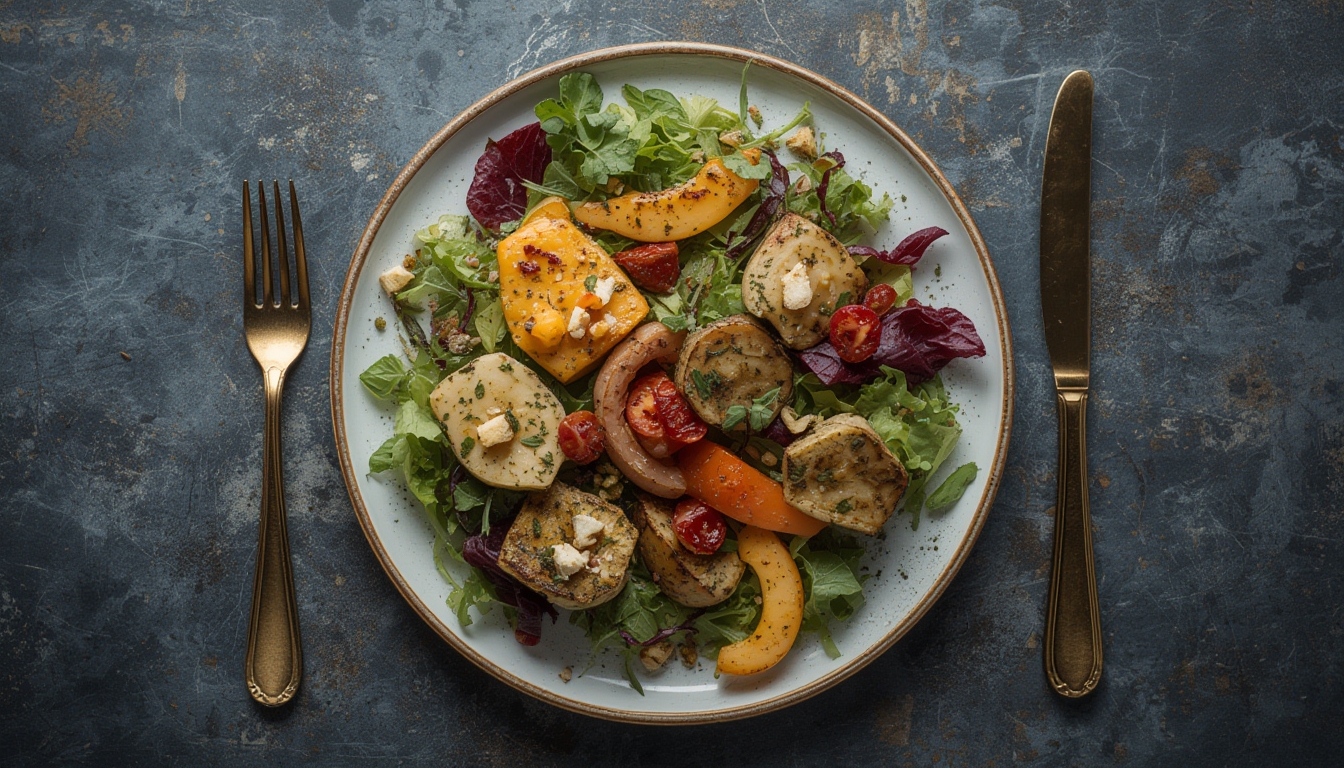
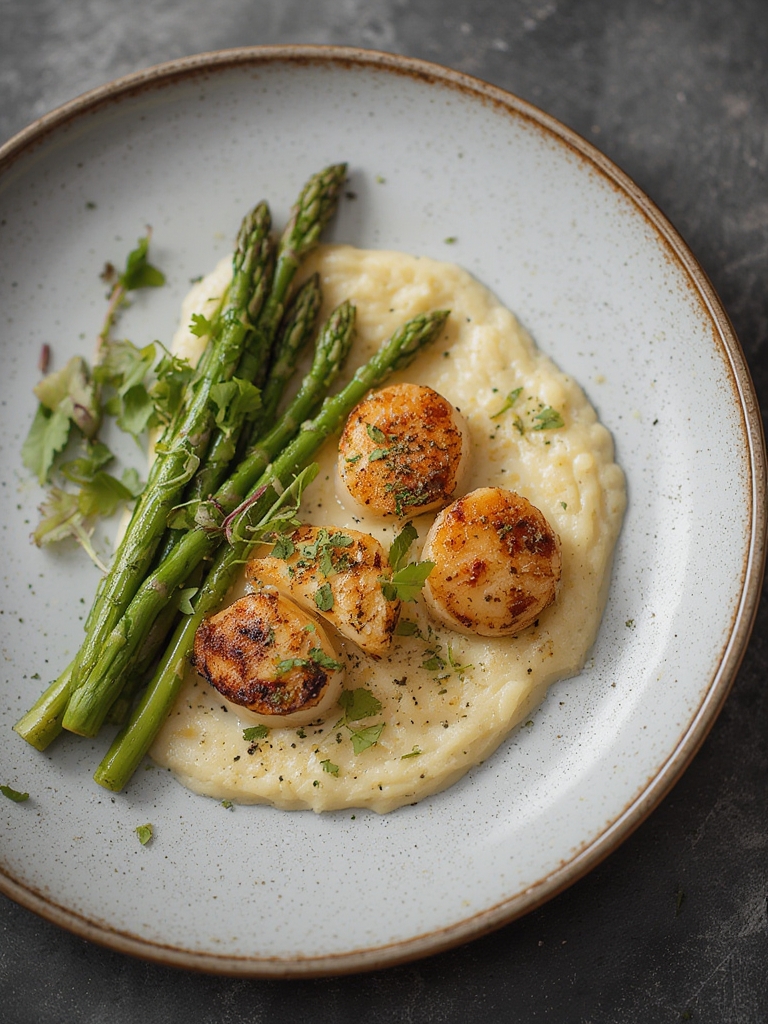
Adopting a plant‑forward and flexitarian approach doesn’t mean giving up the flavors you love—it’s about shifting the spotlight to vegetables, legumes, whole grains, and nuts while still enjoying occasional animal proteins. Below is a data‑driven, step‑by‑step guide that walks you through planning, preparing, and maintaining delicious, nutrient‑dense plates that fit a flexible, health‑focused lifestyle.
1. Understand the Numbers Behind Plant‑Forward Eating
Research consistently shows that meals with at least 50 % plant foods improve cardiovascular health, lower inflammation, and support sustainable weight management. A simple ratio to aim for is:
- 50 % vegetables & fruits (leafy greens, cruciferous veg, berries)
- 25 % whole grains & legumes (quinoa, lentils, chickpeas)
- 15 % healthy fats (avocado, nuts, olive oil)
- 10 % flexible protein (fish, poultry, eggs, or plant‑based alternatives)
Using this framework for each plate helps you hit macro targets without over‑thinking every ingredient.
2. Build a Flexible Meal Blueprint
Step 1: Choose a Base
Start with a sturdy, nutrient‑dense foundation. Options include:
- Mixed greens (spinach, arugula, kale)
- Cooked whole grains (brown rice, farro, barley)
- Legume mash (black beans, lentils, edamame)
Action tip: Prepare a large batch of quinoa or brown rice on Sunday. Store in airtight containers for up to five days—this cuts prep time for weekday meals.
Step 2: Add Colorful Veggies
Aim for at least three different colors per plate. Each hue brings unique phytonutrients:
- Red – tomatoes, red bell pepper (lycopene)
- Orange – carrots, sweet potatoes (beta‑carotene)
- Green – broccoli, zucchini (chlorophyll, vitamin K)
- Purple – beets, purple cabbage (anthocyanins)
Action tip: Roast a tray of mixed vegetables with a drizzle of olive oil, sea salt, and smoked paprika. Roast at 425 °F for 20‑25 minutes; the caramelized edges boost flavor without extra sauces.
Step 3: Incorporate Healthy Fats
Healthy fats improve satiety and help absorb fat‑soluble vitamins (A, D, E, K). Add:
- ¼ avocado, sliced
- 2 tbsp toasted nuts or seeds (almonds, pumpkin seeds)
- 1 tbsp extra‑virgin olive oil (as dressing)
Action tip: Keep a small jar of pre‑toasted nuts on the counter. A quick sprinkle adds crunch and boosts protein by 3‑4 g per serving.
Step 4: Choose Your Flexible Protein
Flexitarian plates allow you to rotate animal and plant proteins. Options:
- Grilled salmon (rich in omega‑3) – 3‑4 oz
- Marinated tofu (press, cube, and pan‑sear) – ½ cup
- Hard‑boiled egg – 1 large
- Tempeh strips (marinated in soy‑ginger) – ½ cup
Action tip: Cook a batch of protein on the weekend (e.g., bake salmon, grill tofu). Portion into zip‑top bags for quick grab‑and‑go meals.
3. Master the Prep & Storage Cycle
Batch‑Cook Core Ingredients
Invest 1‑2 hours on a chosen prep day to:
- Cook grains (use a rice cooker for hands‑free operation).
- Roast or steam a variety of vegetables.
- Prepare proteins (bake, grill, or sauté).
- Make a simple vinaigrette (1 part vinegar, 3 parts oil, mustard, herbs).
Store each component in separate containers. This modular system lets you mix‑and‑match throughout the week.
Portion for Success
Use a kitchen scale or measuring cups to keep portions consistent:
- Grains: ½ cup cooked (≈120 g)
- Legumes: ¼ cup cooked (≈60 g)
- Veggies: 1 cup raw or ½ cup cooked
- Protein: 3‑4 oz (≈85‑115 g)
Action tip: Label each container with the date and portion size. This visual cue reduces decision fatigue and helps you track intake.
Reheat Without Losing Texture
Microwaving can make greens soggy. Instead:
- Reheat grains and proteins in a skillet with a splash of water or broth (2‑3 minutes).
- Quick‑steam veggies in a steamer basket for 1‑2 minutes to revive crispness.
- Finish with a cold drizzle of vinaigrette or a squeeze of lemon to brighten flavors.
4. Seasonal Swaps to Keep It Fresh
Seasonality drives flavor and nutrient density. Rotate core ingredients every 4‑6 weeks:
Spring
- Base: Mixed baby greens
- Veggies: Asparagus, peas, radishes
- Protein: Grilled chicken breast or chickpea “tuna” salad
Summer
- Base: Quinoa tabbouleh with parsley, mint
- Veggies: Grilled corn, zucchini, cherry tomatoes
- Protein: Shrimp skewers or marinated tempeh
Fall
- Base: Farro with roasted butternut squash
- Veggies: Brussels sprouts, carrots, kale
- Protein: Baked cod or lentil‑walnut “meatballs”
Winter
- Base: Warm barley stew
- Veggies: Roasted root vegetables, cauliflower
- Protein: Turkey breast slices or black‑bean patties
Action tip: When a new season begins, write a quick shopping list of the featured produce. Buying in season often reduces cost and improves taste.
5. Fine‑Tune Flavor Without Extra Calories
Flavor is the bridge between health and satisfaction. Use these low‑calorie boosters:
- Fresh herbs: basil, cilantro, dill – add at the end of cooking.
- Citrus zest: lemon or orange peel for brightness.
- Umami sources: miso paste (½ tsp), nutritional yeast (1 tbsp), or a splash of low‑sodium soy sauce.
- Spice blends: smoked paprika, cumin, or curry powder – toast briefly to release aroma.
Experiment with one new booster per week. Track which combos you enjoy most in a simple spreadsheet; data‑driven tweaks keep meals exciting.
6. Track Progress and Adjust
Even a flexible diet benefits from a quick check‑in:
- Log meals in a free app or notebook (note protein source, veg variety, and satisfaction rating).
- Review weekly: Are you hitting the 50 % plant target? Do you feel energized?
- Adjust portions or swap proteins based on energy levels and cravings.
Small data loops help you stay on track without feeling restricted.
7. Quick “Plate‑Ready” Templates
Template A – Mediterranean Flex
Base: ½ cup cooked couscous
Veggies: 1 cup roasted red peppers, olives, and artichoke hearts
Fats: 2 tbsp hummus + drizzle of olive oil
Protein: 3 oz grilled salmon or ½ cup chickpeas
Template B – Asian‑Inspired Flex
Base: ½ cup brown rice
Veggies: 1 cup stir‑fried bok choy, carrots, and snap peas
Fats: 1 tbsp toasted sesame oil (used in stir‑fry)
Protein: 3‑4 oz tofu cubes or 2 oz sliced beef
Template C – Comfort Flex
Base: ½ cup mashed sweet potatoes
Veggies: 1 cup sautéed kale with garlic
Fats: ¼ avocado sliced
Protein: 3 oz roasted turkey breast or ½ cup lentil stew
These templates let you assemble a balanced plate in under five minutes—perfect for busy weekdays.
8. Keep It Sustainable
Finally, remember that a plant‑forward flexitarian lifestyle thrives on consistency, not perfection. Aim for the 80/20 rule: 80 % of meals follow the plant‑forward ratio, and 20 % allow for indulgence or cultural dishes. This balance supports long‑term adherence, reduces food waste, and aligns with environmental goals.
By following the steps above, you’ll create vibrant, nutrient‑rich plates that satisfy both taste buds and health metrics—making the plant‑forward, flexitarian journey enjoyable and sustainable.