
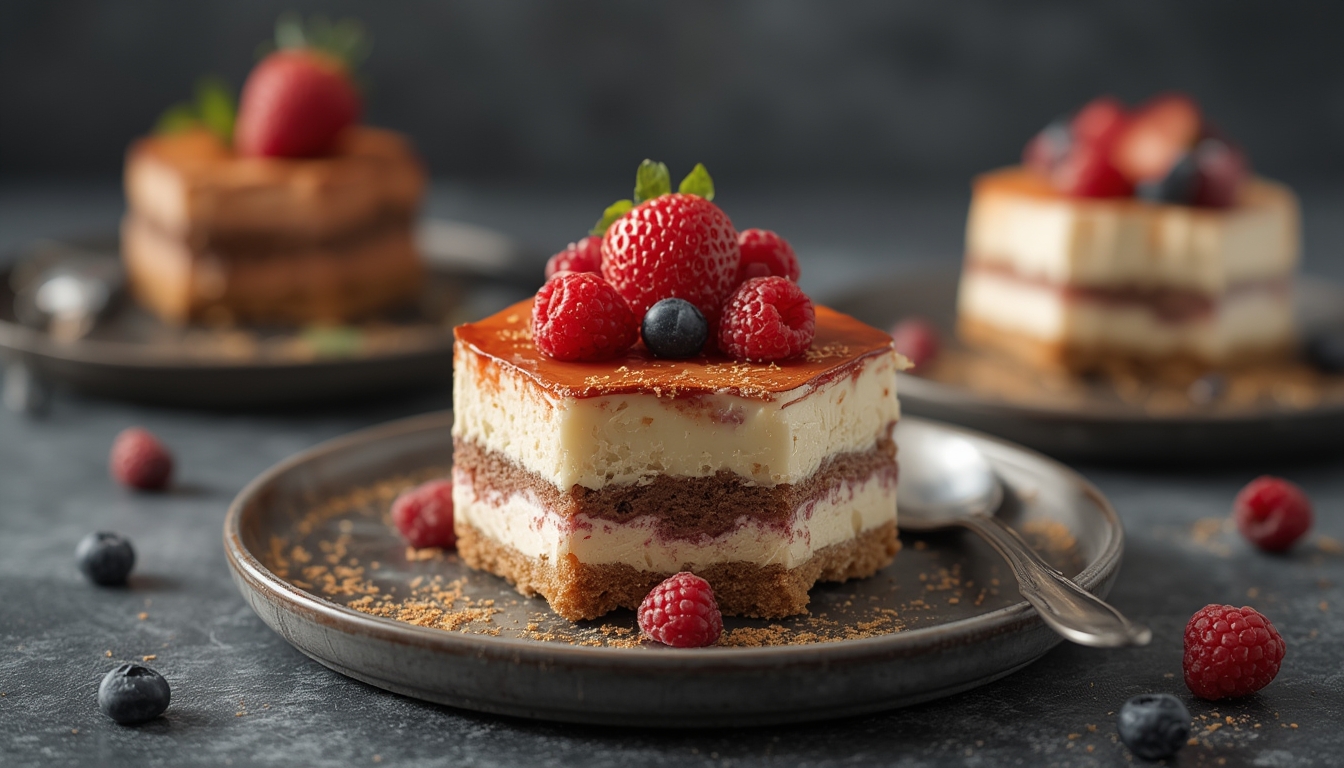
Modern desserts have become a playground for culinary creativity, blending science, art, and unexpected flavors. Whether you’re a home baker looking to impress or a food blogger seeking fresh content, this guide walks you through three exciting sweet experiments that are both data‑driven and easy to replicate. Each section includes clear steps, practical tips, and small actionable advice to ensure success.
1. Molecular Meringue Spheres: The Science of Foam
Traditional meringues are airy, but by applying a little chemistry you can create bite‑size spheres that burst with flavor. The secret lies in stabilizing egg whites with a precise sugar‑to‑water ratio and using a calcium bath to set the outer shell.
Ingredients
- 4 large egg whites (room temperature)
- 200 g granulated sugar
- 100 ml water
- 1 g cream of tartar
- 1 g sodium alginate
- 500 ml calcium lactate solution (5 % w/v)
- Flavor extract or fruit puree (optional)
Equipment
- Stand mixer with whisk attachment
- Digital kitchen scale
- Syringe or squeeze bottle
- Immersion blender
- Fine mesh strainer
Step‑by‑Step Process
- Prepare the calcium bath. Dissolve 25 g calcium lactate in 500 ml water. Stir until fully dissolved and set aside at room temperature.
- Make the alginate mixture. Blend 1 g sodium alginate with 100 ml water using an immersion blender. Let it rest for 10 minutes to remove air bubbles.
- Whip the egg whites. In a clean bowl, combine egg whites, cream of tartar, and a pinch of salt. Start on low speed, then increase to high. When soft peaks form, gradually add sugar, one tablespoon at a time, until the mixture is glossy and holds stiff peaks.
- Incorporate flavor. If using fruit puree or extract, fold it in gently—no more than 10 % of the total volume to avoid destabilizing the foam.
- Combine foam with alginate. Transfer the meringue to a piping bag. Slowly drizzle the alginate mixture into the foam while gently folding, creating a uniform distribution.
- Form the spheres. Fill a syringe with the foam‑alginate blend. Gently release droplets into the calcium bath; they will solidify within 30 seconds, forming a delicate skin.
- Rinse and serve. Use a slotted spoon to retrieve the spheres, rinse briefly in clean water, and pat dry. Serve immediately on a dessert plate or embed in a fruit coulis.
Practical Tips
- Use a kitchen scale for all ingredients; a 1‑gram variance in alginate can affect texture.
- Keep the calcium bath at room temperature; colder water slows gelation.
- If the foam collapses, add a pinch more cream of tartar and re‑whip for a few seconds.
2. Nitro‑Infused Chocolate Ganache: Flash‑Freezing Flavor
Liquid nitrogen brings a dramatic visual effect while instantly freezing ganache into a silky, melt‑in‑your‑mouth texture. This experiment is perfect for creating surprise “pop‑rocks” or a cool garnish for plated desserts.
Ingredients
- 200 g dark chocolate (70 % cacao), finely chopped
- 100 ml heavy cream
- 15 g unsalted butter, room temperature
- Pinch of sea salt
- Liquid nitrogen (handle with gloves and safety goggles)
Equipment
- Heat‑proof stainless steel bowl
- Whisk
- Metal spatula
- Safety gear (gloves, goggles)
- Sieve for dusting (optional)
Step‑by‑Step Process
- Heat the cream. In a small saucepan, bring the heavy cream to a gentle simmer. Do not boil.
- Combine chocolate and butter. Place chopped chocolate and butter in the heat‑proof bowl. Pour the hot cream over them, letting it sit for 30 seconds.
- Stir to a smooth ganache. Using a whisk, blend until the mixture is glossy and fully combined. Add a pinch of sea salt for depth.
- Cool slightly. Allow the ganache to sit for 2‑3 minutes, reaching a temperature of about 40 °C (104 °F). This prevents excessive splatter when adding nitrogen.
- Introduce liquid nitrogen. Wearing gloves and goggles, slowly pour a thin stream of liquid nitrogen into the ganache while continuously whisking. The mixture will thicken instantly, forming a light, airy texture.
- Shape the ganache. Transfer the frozen ganache onto a parchment sheet. Using a warm spatula, spread it thin (≈5 mm) and let it sit for 10 seconds before cutting into shards or using a small scoop to form “pop‑rock” bites.
- Serve immediately. The nitro‑ganache melts quickly at room temperature, delivering a cool burst of chocolate flavor on the palate.
Practical Tips
- Never store liquid nitrogen in a sealed container; it expands rapidly and can explode.
- Work in a well‑ventilated area to avoid nitrogen buildup.
- If the ganache becomes too hard, gently re‑warm it over a water bath for a few seconds before shaping.
3. Fermented Fruit Swirl Ice Cream: Harnessing Natural Sweetness
Fermentation adds complexity to fruit flavors, creating a subtle tang that balances the richness of ice cream. This experiment uses a simple lactobacillus starter to transform berries into a probiotic swirl.
Ingredients
- 300 g mixed berries (strawberries, blueberries, raspberries)
- 50 g granulated sugar
- 1 g commercial lactobacillus starter (or 1 tbsp whey)
- 500 ml whole milk
- 250 ml heavy cream
- 100 g cane sugar
- 4 egg yolks
- Pinch of vanilla powder
Equipment
- Glass jar with airtight lid
- Blender
- Ice cream maker
- Thermometer
- Fine mesh strainer
Fermentation Step
- Prepare the fruit base. Blend berries with 50 g sugar until smooth.
- Inoculate. Stir in the lactobacillus starter (or whey). Transfer the mixture to the glass jar, seal tightly, and leave at 22 °C (72 °F) for 24‑48 hours. The mixture should develop a faint sour aroma.
- Strain. After fermentation, pass the fruit puree through a fine mesh strainer to remove seeds. Set aside.
Ice Cream Base
- Heat the dairy. In a saucepan, combine milk, cream, and half of the cane sugar. Warm to 85 °C (185 °F), stirring until sugar dissolves.
- Temper the yolks. In a bowl, whisk egg yolks with the remaining sugar. Slowly pour a ladle of hot milk mixture into the yolks while whisking continuously, then return everything to the saucepan.
- Cook to custard. Stir over low heat until the mixture reaches 82 °C (180 °F) and coats the back of a spoon.
- Cool and churn. Chill the custard in an ice bath, then refrigerate for at least 2 hours. Once cold, pour into the ice cream maker and churn according to manufacturer instructions.
- Swirl the fermented fruit. When the ice cream reaches a soft‑serve consistency, fold in the strained fruit puree gently, creating ribbons rather than a uniform mix.
- Freeze. Transfer to a container, cover, and freeze for 4‑6 hours before serving.
Practical Tips
- Maintain a stable fermentation temperature; fluctuations can hinder bacterial activity.
- Use a low‑temperature thermometer for the custard; overheating causes curdling.
- If the fruit swirl is too liquid, reduce it on low heat for 5 minutes before folding into the ice cream.
Putting It All Together: A Modern Dessert Plate
Combine the three experiments for a multi‑sensory experience:
- Place a handful of nitro‑infused chocolate shards as a base.
- Add two to three molecular meringue spheres, each filled with a complementary fruit coulis.
- Finish with a generous scoop of fermented fruit swirl ice cream, allowing the tangy notes to cut through the chocolate richness.
Garnish with fresh mint leaves or edible flowers for color contrast. The result is a dessert that looks avant‑garde, tastes layered, and showcases the power of data‑driven experimentation.
Final Thoughts
Modern desserts thrive on the intersection of culinary tradition and scientific curiosity. By following the precise measurements, temperature controls, and timing outlined above, you can reliably reproduce these sweet experiments in your kitchen. Each step includes actionable advice—whether it’s weighing alginate to the gram or monitoring nitrogen temperature—to minimize trial‑and‑error and maximize success. Embrace the process, document your results, and feel free to tweak flavors based on personal data; the best modern desserts are those that evolve with each batch.