
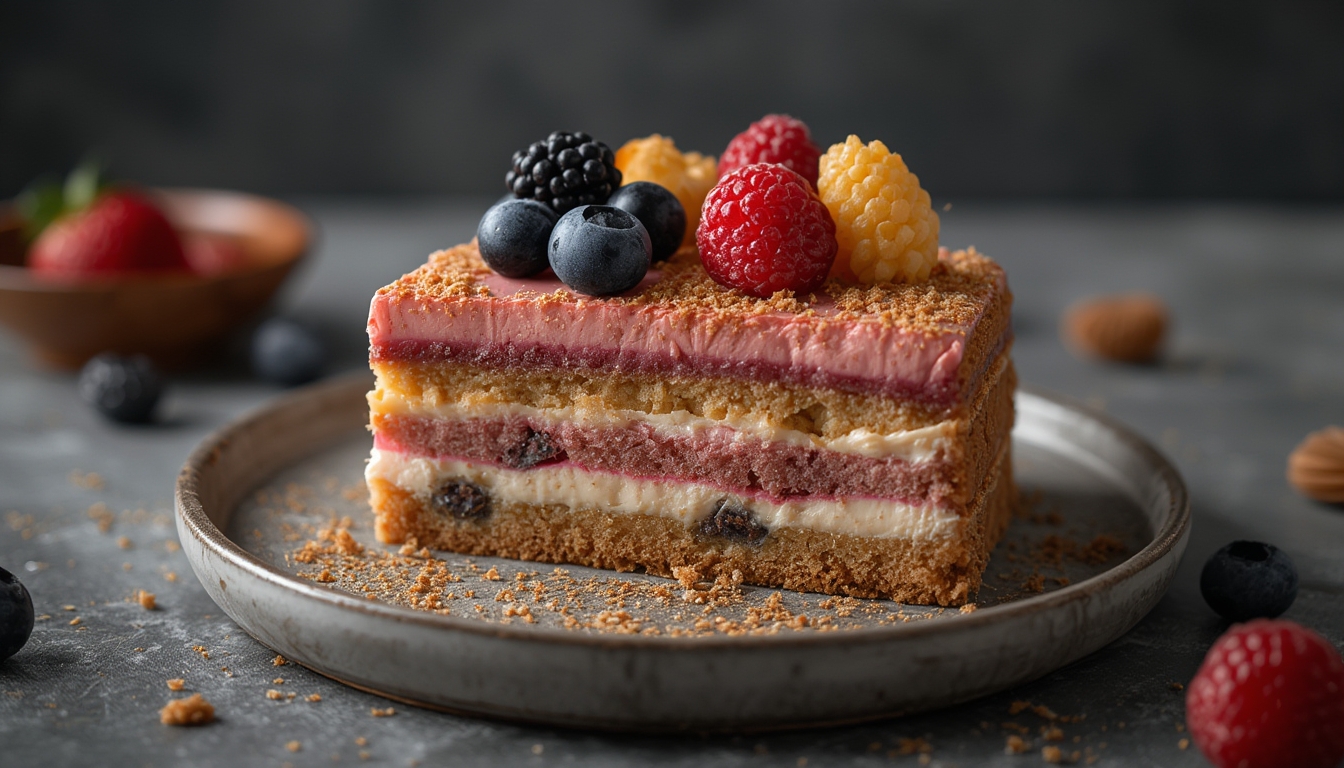

Modern desserts have moved far beyond the classic cake and pie, embracing scientific techniques, unexpected flavor pairings, and eye‑catching presentations. Whether you’re a home baker curious about molecular gastronomy or a seasoned pastry chef looking to refresh your menu, this guide walks you through data‑driven methods and practical steps to create unforgettable sweet experiments. Each section breaks down the process into clear actions, so you can confidently experiment, iterate, and perfect your creations.
Understanding the Foundations of Modern Sweet Experiments
Before diving into recipes, it’s helpful to grasp the core principles that drive contemporary dessert innovation:
- Flavor Science: Use flavor‑pairing databases (e.g., Foodpairing) to identify complementary ingredients based on shared volatile compounds. This data‑backed approach reduces guesswork and increases success rates.
- Texture Engineering: Techniques such as spherification, foams, and gelification rely on precise ratios of hydrocolloids (agar‑agar, xanthan gum, methylcellulose). Measuring these ingredients with a digital scale (±0.1 g) ensures reproducibility.
- Temperature Control: Modern desserts often require rapid cooling or heating. A calibrated sous‑vide circulator or an ice‑salt bath can maintain temperatures within ±0.5 °C, crucial for stable emulsions and set gels.
Essential Tools and Ingredients for Sweet Experiments
Must‑Have Equipment
- Digital kitchen scale (minimum 0.1 g precision)
- Immersion circulator for sous‑vide cooking
- Silicone molds and sphere‑forming kits
- Hand‑held whisk or immersion blender for foams
- Thermometer (instant‑read, -10 °C to 200 °C range)
Key Ingredients
- Hydrocolloids: Agar‑agar, methylcellulose, sodium alginate, calcium lactate.
- Emulsifiers: Lecithin, soy protein isolate.
- Flavor Bases: Fruit purées, tea infusions, coffee concentrates, and spice extracts.
- Sweeteners: Granulated sugar, dextrose, agave syrup, and low‑calorie alternatives (e.g., erythritol) for balance.
Step‑by‑Step Guide: Creating a Modern Citrus‑Miso Mousse with Olive‑Oil Spheres
1. Prepare the Citrus‑Miso Base
- Measure ingredients: 120 g fresh orange juice, 30 g white miso, 60 g powdered sugar, 5 g soy lecithin.
- Blend: Combine orange juice, miso, and sugar in a mixing bowl. Use a hand‑held whisk to dissolve sugar completely (≈30 seconds).
- Emulsify: Add soy lecithin and blend on medium speed for 1 minute. The lecithin will create a stable foam when aerated later.
- Chill: Transfer the mixture to a shallow container and refrigerate for 15 minutes to enhance flavor integration.
2. Generate the Citrus‑Miso Foam
- Pour the chilled base into a tall, narrow pitcher.
- Using an immersion blender, incorporate air for 45 seconds until a light, airy foam forms. The foam should hold its shape for at least 30 seconds when lifted.
- Immediately spoon the foam onto serving plates, creating a base layer for the spheres.
3. Craft Olive‑Oil Spheres (Spherification)
- Prepare the calcium bath: Dissolve 5 g calcium lactate in 250 ml distilled water. Stir until fully dissolved; set aside.
- Make the olive‑oil mixture: Blend 100 ml high‑quality extra‑virgin olive oil with 2 g sodium alginate. Use a high‑speed blender for 2 minutes to avoid clumps.
- Load the mixture: Transfer the oil‑alginate blend into a syringe fitted with a 1 mm nozzle.
- Spherify: Gently dispense droplets into the calcium bath. Allow spheres to form for 60 seconds, then retrieve with a slotted spoon.
- Rinse: Place spheres in a bowl of clean water for 10 seconds to remove excess calcium.
4. Assemble the Dessert
- Arrange 4‑5 olive‑oil spheres on top of the citrus‑miso foam.
- Garnish with a micro‑sprig of fresh thyme and a dusting of candied orange zest.
- Serve immediately to preserve the foam’s airy texture and the sphere’s burst‑in‑the‑mouth sensation.
Practical Tips for Consistent Results
Ingredient Accuracy
Even a 2 % deviation in hydrocolloid concentration can cause a mousse to collapse or a sphere to break. Use a calibrated scale before each session and record measurements in a notebook for future reference.
Temperature Management
When working with alginate, keep the mixture below 25 °C; higher temperatures increase viscosity, making droplet formation uneven. If the bath feels warm, add a few ice cubes and stir gently.
Foam Stability
Lecithin works best with a pH between 4.5 and 5.5. Adjust the citrus‑miso base with a pinch of citric acid if the foam collapses quickly. Additionally, avoid over‑blending, which can break down the air bubbles.
Experimentation Techniques: Pushing the Boundaries
Flavor Pairing Trials
Use a spreadsheet to log flavor combinations you test. Include columns for Ingredient 1, Ingredient 2, Volatile Overlap Score, Texture Outcome, and Rating (1‑5). Over time, patterns will emerge, guiding you toward high‑impact pairings.
Texture Variation
Swap methylcellulose for agar‑agar in the sphere step to compare mouthfeel. Agar yields a firmer “pop” while methylcellulose offers a softer, melt‑in‑the‑mouth sensation. Document the differences with photos and tasting notes.
Visual Innovation
Incorporate edible glitter or a thin layer of translucent agar‑agar dyed with natural pigments (beet juice, spirulina) to add visual layers. Apply these as a “skin” on top of the foam using a fine brush.
Storing and Serving Modern Desserts
Because many modern desserts rely on delicate foams and gels, they are best enjoyed fresh. However, if you need to prep ahead:
- Foam: Store in a sealed container at 4 °C for up to 2 hours. Re‑whisk briefly before plating.
- Spheres: Keep in the calcium bath (covered) for a maximum of 30 minutes; longer exposure will harden the outer layer.
- Base sauces or purées: Refrigerate in airtight jars for up to 3 days. Re‑heat gently (≤40 °C) to preserve flavor integrity.
Final Thoughts: Making Sweet Experiments Part of Your Routine
Integrating data‑driven decision‑making with hands‑on experimentation transforms dessert creation from a trial‑and‑error hobby into a repeatable craft. By measuring ingredients precisely, controlling temperature rigorously, and documenting each variation, you build a personal knowledge base that accelerates innovation. Start with the citrus‑miso mousse recipe, tweak one variable at a time—whether it’s swapping miso for tahini or adjusting the alginate concentration—and watch your confidence grow. The modern dessert landscape rewards curiosity; armed with these practical steps, you’re ready to explore it fully.