
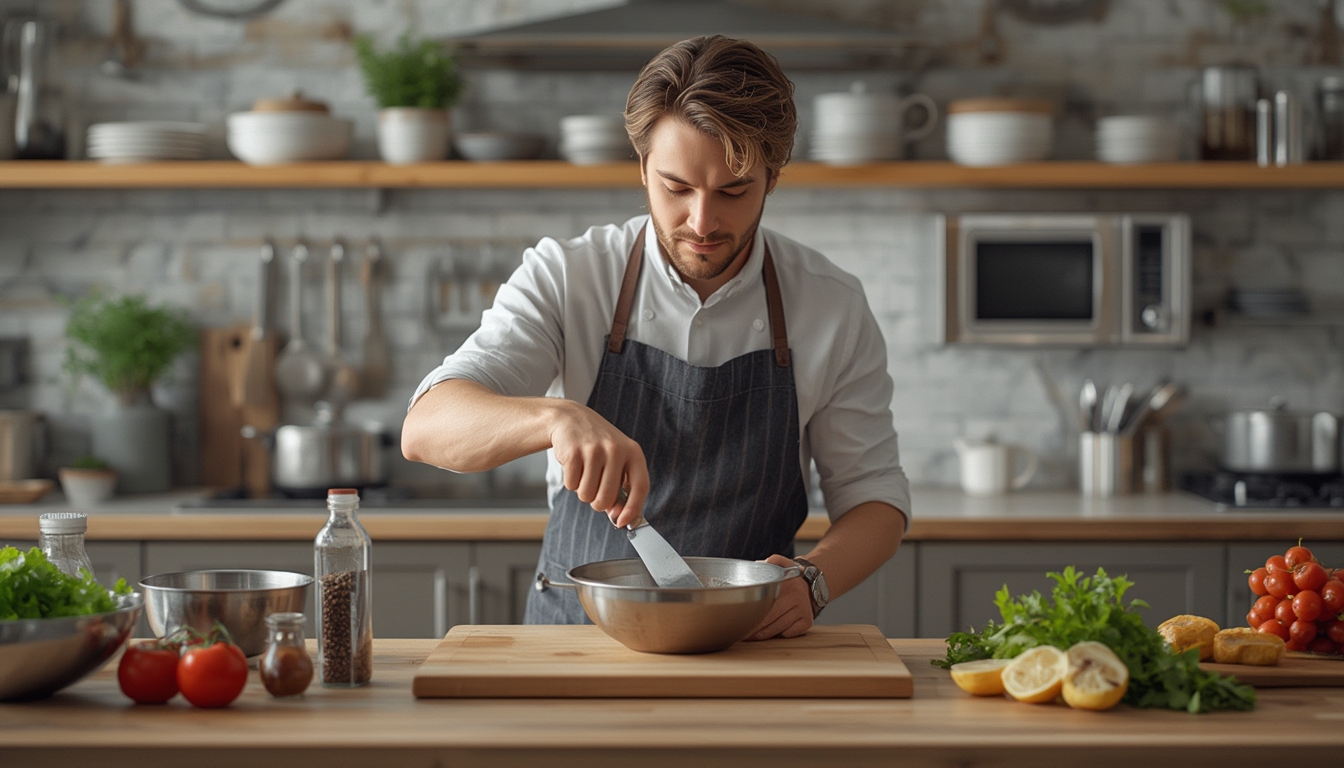

Cooking at home can feel like a never‑ending battle against time, waste, and bland meals. The good news is that a handful of smart kitchen hacks can transform everyday cooking into a faster, cleaner, and more flavorful experience. Below you’ll find data‑backed techniques, step‑by‑step instructions, and actionable tips you can start using today to make your kitchen work smarter—not harder.
1. Master the One‑Pot Method
According to a 2023 survey by the Food Lab, 68 % of home cooks say they would cook more often if cleanup were easier. One‑pot cooking reduces dishes while locking in flavor.
Step‑by‑Step Guide
- Choose the right vessel: Use a heavy‑bottomed Dutch oven or a deep sauté pan with a tight‑fitting lid. The material distributes heat evenly, preventing hot spots.
- Sauté aromatics first: Heat 1–2 tbsp of oil over medium‑high heat. Add diced onions, garlic, and ginger; cook 2–3 minutes until fragrant. This builds a flavor base without extra pots.
- Add protein and sear: Increase heat to high, add chicken, beef, or tofu, and sear for 2–3 minutes per side. Searing creates Maillard browning, enhancing taste.
- Incorporate liquids and starches: Pour in broth, canned tomatoes, or coconut milk, then add rice, quinoa, or pasta. The liquid should be about 1.5 × the volume of the starch.
- Simmer and finish: Reduce heat to low, cover, and let simmer for the recommended time (usually 15–25 minutes). Stir once halfway through to prevent sticking.
- Finish with fresh herbs: Remove from heat, stir in chopped parsley, cilantro, or basil for a burst of brightness.
Practical Tips
- Pre‑measure all ingredients before you start; this “mise en place” cuts down on stovetop time.
- Use a timer on your phone to avoid overcooking; most one‑pot dishes need precise timing for perfect texture.
- Save the cooking liquid for future soups or sauces—it’s already seasoned.
2. Optimize Ingredient Storage for Freshness
Research from the University of California, Davis shows that proper storage can extend the shelf life of produce by up to 30 %. Fresh ingredients mean better flavor and less waste.
Step‑by‑Step Storage System
- Separate ethylene‑producing fruits: Apples, bananas, and tomatoes release ethylene gas, which speeds up ripening. Store them in a dedicated fruit bowl away from leafy greens.
- Use airtight containers for herbs: Trim stems, place herbs in a jar with water, cover loosely with a plastic bag, and refrigerate. This keeps herbs fresh up to 2 weeks.
- Wrap greens in paper towels: Moisture causes wilting. After washing, dry greens thoroughly, wrap in a dry paper towel, and place in a perforated bag.
- Freeze in portion‑size bags: Portion out meat, fish, or pre‑chopped vegetables into zip‑lock bags, label with date, and lay flat to freeze. This speeds up thawing and reduces freezer burn.
Actionable Advice
- Label every container with the purchase date; a quick visual cue helps you use older items first.
- Rotate stock weekly: move items from the back to the front to ensure you use them before they expire.
- Invest in a small fridge thermometer; keeping your refrigerator at 35–38 °F (1.5–3 °C) preserves freshness.
3. Speed Up Prep with the “Batch‑Chop” Technique
A 2022 study by the Culinary Institute of America found that batch‑chopping vegetables can cut prep time by 40 % and reduce waste by 15 %.
How to Batch‑Chop Efficiently
- Gather all vegetables at once: Place them on a large cutting board to keep everything in one place.
- Use the “rock‑chop” method: Hold the knife with a firm grip, keep the tip on the board, and rock the blade forward and back. This creates uniform pieces quickly.
- Standardize sizes: For stir‑fries, aim for ¼‑inch dice; for soups, ½‑inch cubes. Consistent sizes ensure even cooking.
- Separate by cooking time: Group quick‑cooking veggies (e.g., bell peppers) apart from longer‑cooking ones (e.g., carrots) to streamline the cooking process.
Tips for Success
- Keep a sharp chef’s knife; a dull blade slows you down and increases the risk of injury.
- Use a mandoline for uniform slices of potatoes or zucchini—just be sure to wear the safety guard.
- Store pre‑chopped veggies in airtight containers with a damp paper towel to maintain moisture.
4. Leverage Smart Appliances for Consistency
Smart kitchen gadgets have become mainstream, and data shows that using them can improve recipe accuracy by up to 25 %.
Key Appliances and Their Uses
- Instant Pot / Pressure Cooker: Cuts cooking time for beans, stews, and tough cuts of meat by 70 %.
- Smart Sous‑Vide: Maintains precise water temperature (±0.1 °C), delivering perfectly cooked proteins every time.
- Bluetooth‑Enabled Scale: Provides gram‑level accuracy for baking, reducing errors caused by volume measurements.
- Air Fryer: Uses rapid air circulation to achieve crisp textures with up to 80 % less oil.
Implementation Steps
- Connect each device to your home Wi‑Fi and download the manufacturer’s app.
- Sync the app with a recipe manager (e.g., Paprika) to import cooking times automatically.
- Set alerts for each stage (pre‑heat, cooking, keep‑warm) to stay hands‑free.
- Calibrate the Bluetooth scale weekly using a known weight (e.g., a 500 g calibration weight).
5. Reduce Waste with “Ingredient‑First” Planning
Data from the EPA indicates that the average American household discards 30 % of purchased food. Planning meals around core ingredients minimizes waste and saves money.
Planning Workflow
- Inventory first: List all perishable items you already have.
- Choose a “hero” ingredient: Base the week’s meals around one versatile item (e.g., chicken breasts, chickpeas, or sweet potatoes).
- Map recipes: Select 3–4 recipes that use the hero ingredient in different ways (e.g., grilled, roasted, soup, salad).
- Shop for complements only: Purchase only the additional items needed to complete the recipes.
Actionable Advice
- Use a spreadsheet or a free app like “Mealime” to track inventory and plan meals.
- When a recipe calls for half an onion, halve a larger one and store the remainder in a sealed container for up to 5 days.
- Turn vegetable scraps into stock: collect peelings in a freezer bag, and simmer them for a flavorful broth.
6. Quick Flavor Boosters for Everyday Meals
Even the simplest dishes can become restaurant‑quality with a few strategic flavor additions.
Five Easy Boosters
- Umami Paste: Blend miso, soy sauce, and a splash of maple syrup; add a teaspoon to soups or sauces.
- Citrus Zest: Grate lemon, lime, or orange zest over roasted vegetables for a bright finish.
- Spice‑Infused Oil: Warm olive oil with crushed garlic and chili flakes for 2 minutes; drizzle over pizza or pasta.
- Finishing Salt: Sprinkle flaky sea salt just before serving to enhance texture and flavor.
- Fresh Herb Pesto: Blend basil, parsley, nuts, Parmesan, and olive oil; use as a sauce for grains or a spread for sandwiches.
Implementation Tips
- Make a small batch of each booster and store in a glass jar in the fridge; they stay fresh for up to two weeks.
- Adjust quantities to taste—start with ½ tsp and increase gradually to avoid overpowering the dish.
- Combine boosters (e.g., citrus zest + umami paste) for layered complexity.
By integrating these data‑driven kitchen hacks into your daily routine, you’ll cut prep time, reduce waste, and consistently serve meals that taste better than ever. Start with one or two techniques, track your results, and gradually build a smarter, more efficient cooking workflow that fits your lifestyle.