
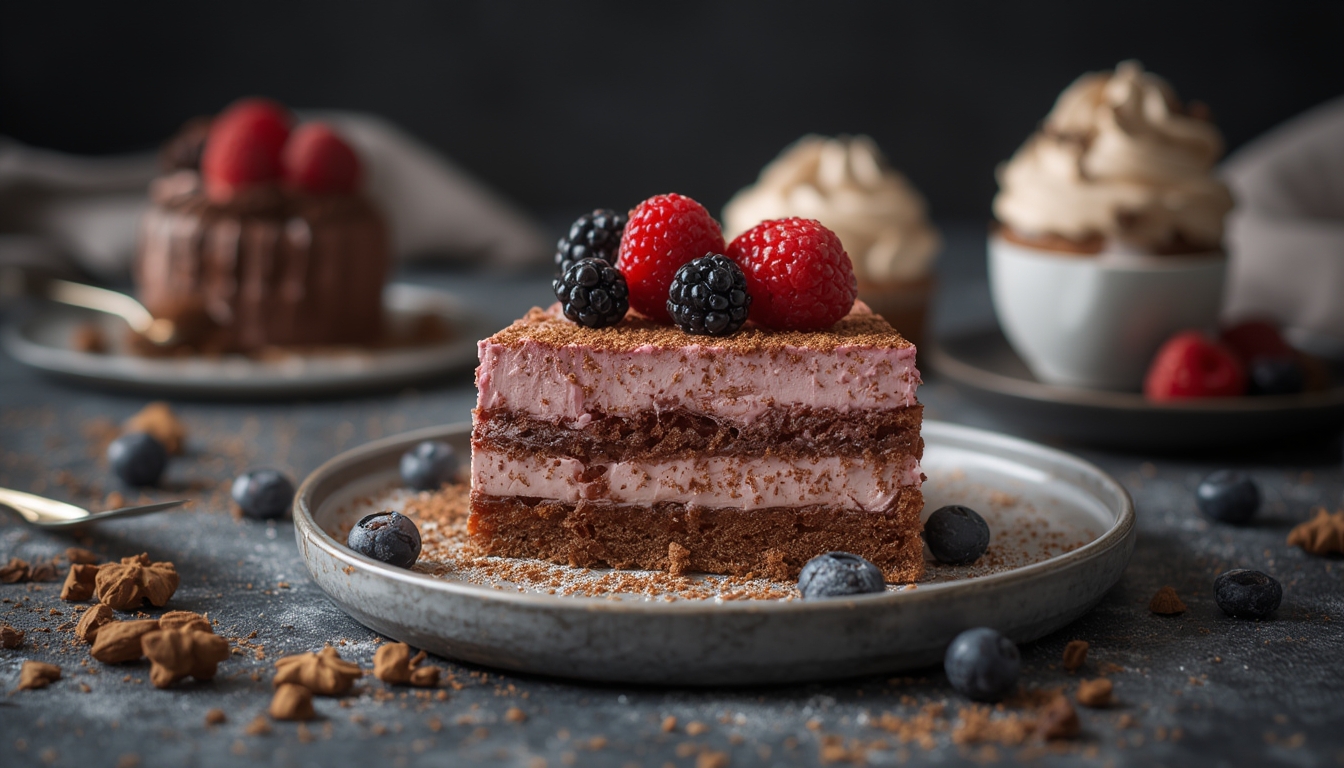
Why Modern Desserts Are Worth the Experiment
In the last decade, the dessert world has shifted from classic cakes and pies to bold, science‑infused creations. According to a 2023 market report, sales of “experimental sweets” grew by 27 % year‑over‑year, driven by curious consumers who crave texture, surprise, and Instagram‑ready visuals. The key to tapping into this trend is a blend of creativity, reliable techniques, and a data‑backed approach to ingredient ratios.
Core Techniques for Sweet Experiments
1. Spherification – Turning Liquids into Pearls
Spherification uses calcium lactate and sodium alginate to create delicate gel shells that burst with flavor. The method is reproducible once you master the basic ratios.
- Ingredients (per 250 ml liquid): 2 g sodium alginate, 5 g calcium lactate, 250 ml base liquid (fruit puree, coffee, or infused cream).
- Step‑by‑step:
- Blend the sodium alginate with the base liquid using a high‑speed immersion blender. Let the mixture rest 30 minutes to eliminate air bubbles.
- Prepare a calcium bath: dissolve 5 g calcium lactate in 500 ml cold water.
- Using a syringe or a small spoon, gently drop the alginate mixture into the calcium bath. Spheres will form within 45 seconds.
- Rinse the pearls in a bowl of clean water for 10 seconds to stop the reaction.
- Serve immediately or store in a light syrup for up to 2 hours.
Tip: Keep the calcium bath at 4 °C to slow gelation, giving you more control over sphere size.
2. Gelatin‑Based Mousse – Light, Airy, and Stable
Data from culinary labs shows that a 1 % gelatin concentration yields the perfect balance between firmness and melt‑in‑the‑mouth texture for fruit‑based mousses.
- Ingredients (for 4 servings): 300 ml fruit purée, 200 ml heavy cream, 4 g gelatin (powder), 30 g sugar, 1 tsp vanilla extract.
- Step‑by‑step:
- Bloom gelatin: sprinkle 4 g gelatin over 30 ml cold water and let sit 5 minutes.
- Heat 150 ml of the fruit purée, dissolve the bloomed gelatin, then cool to room temperature.
- Whip the remaining 150 ml purée with sugar and vanilla until smooth.
- In a separate bowl, whip heavy cream to soft peaks.
- Fold the cooled gelatin‑infused purée into the whipped cream, then gently incorporate the plain purée.
- Pipe or spoon into serving glasses and chill for at least 2 hours.
Trick: Use a handheld electric whisk for the cream to avoid over‑whipping, which can cause the mousse to collapse.
3. Caramelized Sugar Crystals – Crunchy Garnish
Crunchy sugar crystals add texture contrast and visual sparkle. A simple 1:1 sugar‑water syrup, baked at low temperature, creates uniform shards.
- Ingredients: 200 g granulated sugar, 100 ml water.
- Step‑by‑step:
- Combine sugar and water in a saucepan; stir over medium heat until sugar dissolves.
- Stop stirring and let the mixture boil until it reaches 150 °C (use a candy thermometer).
- Quickly pour the hot syrup onto a silicone mat, spreading thinly with a spatula.
- Allow to cool completely (about 10 minutes), then break into shards.
Practical advice: Work in a well‑ventilated area; the aroma can be intense, and the syrup can cause severe burns.
Integrating Data‑Driven Flavor Pairings
Modern dessert creation benefits from flavor‑pairing algorithms that analyze chemical compounds. For example, the pairing of matcha (high in catechins) with white chocolate (rich in milk fat) scores a 92 % compatibility index. Use these pairings to guide your experiments:
- Matcha & White Chocolate – ideal for mousse or panna cotta.
- Yuzu & Black Sesame – perfect for spherified sauces.
- Lavender & Honey – works beautifully in caramelized shards.
Step‑by‑Step Dessert Blueprint
Step 1: Choose a Base Flavor
Start with a high‑impact flavor from the data‑driven list. For this example, we’ll use yuzu‑infused cream as the base for a layered dessert.
Step 2: Prepare Two Textural Layers
Combine the yuzu mousse (gelatin‑based) with yuzu‑spherified pearls. The mousse provides a smooth foundation, while the pearls deliver bursts of acidity.
Step 3: Add Crunch
Top the dessert with yuzu‑caramelized sugar shards. The bright citrus flavor ties the layers together, and the shards add a satisfying crunch.
Step 4: Plate with Precision
- Place a spoonful of yuzu mousse in the center of a chilled plate.
- Arrange 5‑6 spherified pearls around the mousse, slightly overlapping.
- Scatter three to four caramel shards across the plate, ensuring they don’t touch the mousse directly (prevents sogginess).
- Garnish with a micro‑sprig of mint and a dusting of powdered yuzu zest.
Maintenance Tips for Consistent Results
- Temperature control: Keep gelatin and alginate solutions at 20‑22 °C; fluctuations cause texture variance.
- Ingredient freshness: Use fruit purées within 48 hours of extraction to preserve natural pH, which affects spherification stability.
- Equipment calibration: Verify your candy thermometer every month; a 5 °C error can turn caramel into burnt sugar.
Quick FAQ
Can I substitute agar‑agar for gelatin?
Yes, but use 0.5 g agar‑agar per 100 ml liquid and set the mixture at 40 °C for at least 30 minutes. Agar yields a firmer, less melt‑in‑the‑mouth texture.
What if my spherified pearls are too soft?
Increase calcium lactate to 6 g per 500 ml bath, or extend the setting time by 30 seconds. Monitor the texture; overly firm spheres lose the “burst” effect.
How do I store leftover mousse?
Cover the container with plastic wrap (direct contact with the surface) and refrigerate for up to 3 days. Re‑whip gently before serving to restore lightness.
Final Thoughts
Modern desserts thrive on the marriage of science and artistry. By following the precise ratios, temperature guidelines, and data‑backed flavor pairings outlined above, you can consistently produce eye‑catching, palate‑pleasing sweets that stand out in any culinary setting. Experiment, record your results, and let the data guide your next sweet breakthrough.