
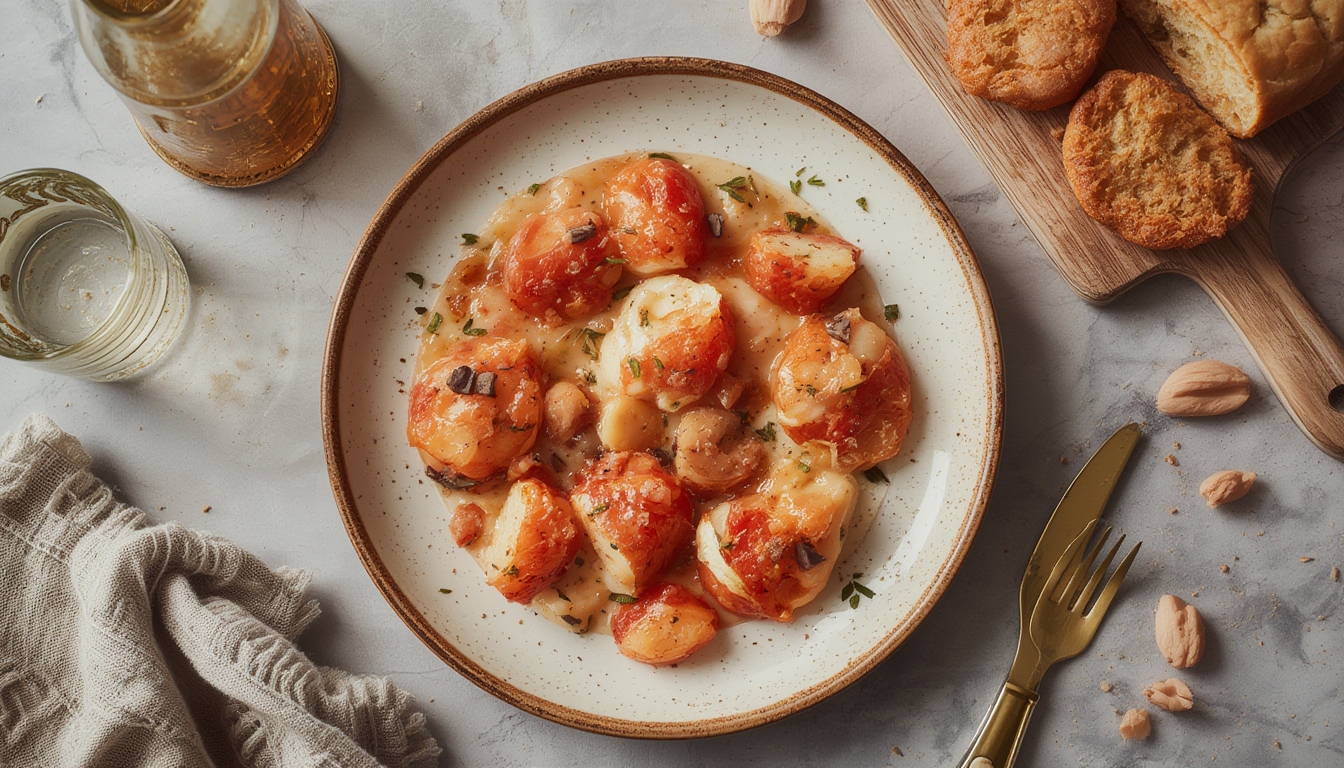
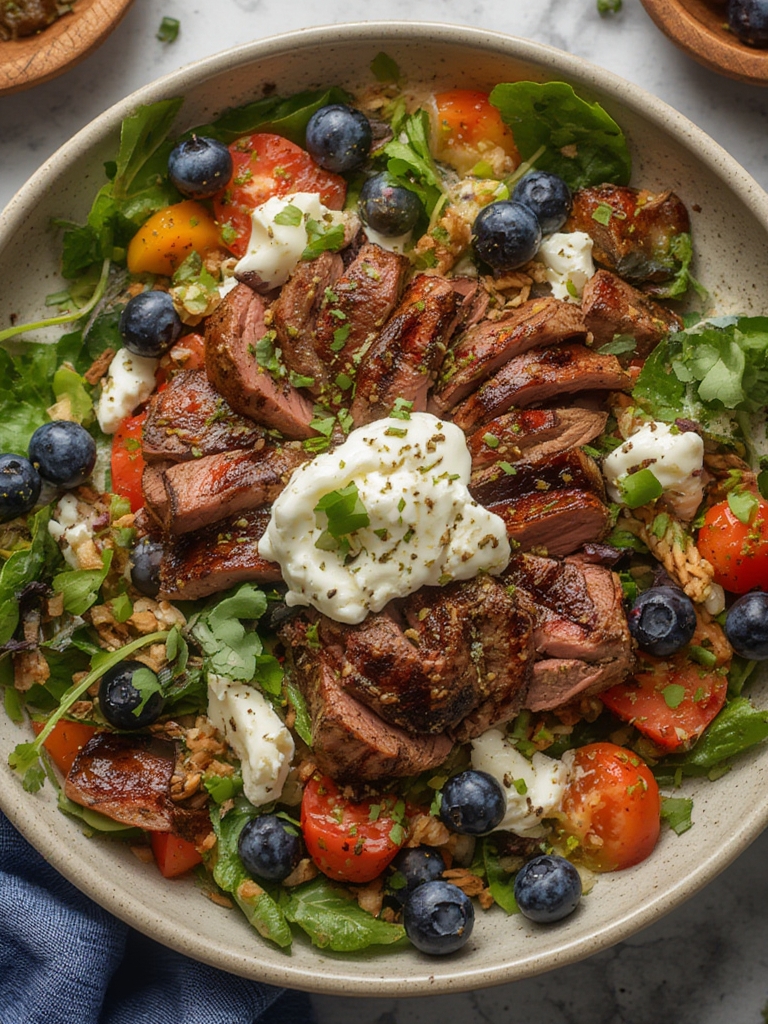
When it comes to creating Instagram‑worthy plates, the secret often lies in the fresh, vibrant greens and edible blooms that sit atop a dish. Growing your own microgreens, herbs, and edible flowers not only guarantees peak flavor but also gives you complete control over color, texture, and presentation. Below is a data‑driven, step‑by‑step guide to cultivating these aesthetic food staples at home, followed by practical styling tricks that turn every plate into a visual masterpiece.
Why Grow Your Own Aesthetic Ingredients?
According to a 2023 survey by the National Restaurant Association, 68% of chefs reported that “visual appeal” directly influences customer satisfaction. Home‑grown microgreens and edible flowers score high on both taste and visual impact, with research from the University of California showing that microgreens can contain up to 40 times more nutrients than their mature counterparts. The result? Healthier, more colorful dishes that stand out on social media feeds.
Step‑by‑Step Guide to Growing Microgreens and Edible Flowers
1. Choose the Right Seeds
- Microgreens: Radish, pea shoots, broccoli, and sunflower are beginner‑friendly and provide a spectrum of colors—from deep purple to bright yellow.
- Edible Flowers: Nasturtium, calendula, and borage add bold hues and a subtle peppery or citrus note.
- Tip: Purchase organic, untreated seeds from reputable suppliers to avoid pesticide residues that could affect flavor and safety.
2. Prepare the Growing Medium
Use a lightweight, sterile seed‑starting mix or coconut coir. A 1‑inch layer of medium in a shallow tray (10 × 20 cm) provides enough depth for root development without excess moisture retention.
- Actionable advice: Lightly mist the medium before sowing to achieve a damp but not soggy surface. This reduces the risk of seed clumping.
3. Sow the Seeds
For microgreens, spread seeds evenly across the surface, aiming for a density of about 1 g per 100 cm². For larger edible flowers, a sparser distribution (0.5 g per 100 cm²) prevents overcrowding.
- Trick: Cover seeds with a thin layer of the growing medium (¼ inch) for larger seeds like sunflower; leave them uncovered for tiny seeds like radish to ensure quick germination.
4. Provide Optimal Light and Temperature
Microgreens thrive at 20‑24 °C (68‑75 °F) with 12‑16 hours of light per day. A LED grow light set to 4000 K mimics natural daylight and boosts chlorophyll production, resulting in richer greens.
- Tip: Position the light 12‑15 cm above the tray; adjust height as seedlings grow to avoid stretching.
5. Watering Schedule
Maintain consistent moisture using a fine‑mist spray bottle. Over‑watering can cause mold, while under‑watering slows growth.
- Actionable advice: Check the medium daily—if the top 2 mm feel dry, mist lightly. For trays with a clear cover, remove the cover for 5 minutes each day to improve airflow.
6. Harvest at Peak Freshness
Microgreens are ready 7‑14 days after sowing, when the first true leaves appear. Edible flowers typically bloom 30‑45 days after planting.
- How‑to: Use clean, sharp scissors to cut stems just above the growing medium. Harvest in the morning when moisture content is highest for crisper texture.
- Storage tip: Place harvested greens in a damp paper towel inside a sealed container; they stay fresh for up to 5 days. Flowers can be stored in a glass of water at room temperature for 2‑3 days.
Styling Your Plate with Home‑Grown Aesthetic Ingredients
Color Coordination
Use the color wheel as a guide: pair purple radish microgreens with orange carrot ribbons, or match bright yellow calendula petals with deep‑red beet purée. A balanced palette creates visual harmony and draws the eye to the focal point of the dish.
Texture Contrast
Combine the delicate crunch of pea shoots with the buttery softness of avocado or the silky smoothness of a pureed soup. The contrast enhances mouthfeel and keeps diners engaged.
Placement Techniques
- Scatter method: Lightly toss microgreens over a plated entrée for a natural, garden‑fresh look.
- Linear arrangement: Lay a single line of borage flowers along the edge of a dessert plate for a refined, minimalist aesthetic.
- Height building: Stack microgreens in a small ring mold to add vertical interest, especially effective on flat dishes like risotto.
Seasonal Pairings
Align your home‑grown ingredients with seasonal produce for maximum flavor synergy. In spring, pair nasturtium blossoms with asparagus; in autumn, combine broccoli microgreens with roasted pumpkin.
Maintaining a Sustainable Aesthetic Garden
To keep your supply steady and reduce waste, adopt these simple practices:
- Rotate crops: After harvesting, let the tray rest for 2 days before sowing a new batch. This breaks disease cycles.
- Compost spent medium: Mix it into a home compost bin; it enriches soil for outdoor herb gardens.
- Reuse containers: Clean trays with a mild bleach solution (1 % concentration) and rinse thoroughly before the next sowing.
Quick Reference Checklist
| Step | Key Action | Tip |
|---|---|---|
| 1. Seed Selection | Choose organic radish, pea, nasturtium, etc. | Check seed purity labels. |
| 2. Medium Prep | 1‑inch sterile mix, dampened. | Mist before sowing. |
| 3. Sowing | Even distribution, appropriate density. | Cover larger seeds lightly. |
| 4. Light/Temp | 12‑16 h LED, 20‑24 °C. | Adjust height to avoid stretching. |
| 5. Water | Fine mist daily. | Check 2 mm surface dryness. |
| 6. Harvest | 7‑14 days microgreens, 30‑45 days flowers. | Morning cut for crispness. |
| 7. Styling | Color, texture, placement. | Use the color wheel. |
By integrating these data‑backed growing techniques with thoughtful plating strategies, you’ll transform ordinary meals into eye‑catching, nutrient‑dense experiences. Whether you’re a home cook looking to impress on social media or a budding chef perfecting a restaurant menu, cultivating your own aesthetic food ingredients gives you the creative freedom to design dishes that are as beautiful as they are delicious.