
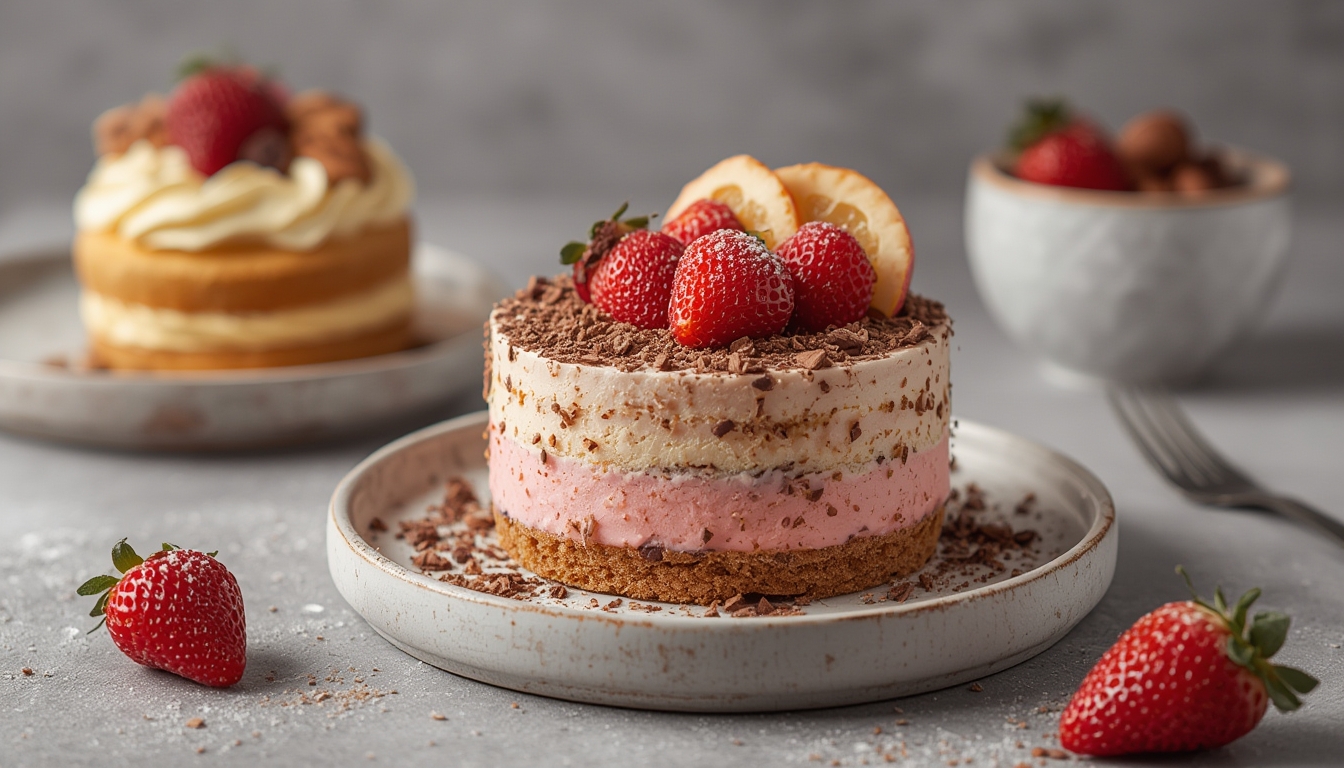
Modern desserts have moved far beyond the classic cakes and pies we grew up with. Today’s sweet creations blend science, art, and unexpected ingredients to deliver flavors that surprise and delight. From molecular gastronomy techniques to globally inspired flavor pairings, the world of sweet experiments invites home bakers and professional chefs alike to push boundaries. In this post, we’ll explore three cutting‑edge dessert trends, walk through a step‑by‑step recipe for a show‑stopping deconstructed lemon tart, and even show you how to grow a key herb—lavender—that can elevate your sweet dishes with a fragrant, floral note.
Trend #1: Molecular Textures – Gels, Foams, and Spherification
Scientists have long used gels and foams to change the texture of foods, and chefs now apply the same principles to desserts. Using ingredients like agar‑agar, xanthan gum, or lecithin, you can create airy mousses, delicate gels, or even “caviar” pearls that burst with flavor. The key is precise measurement: a pinch of stabilizer can make the difference between a smooth foam and a gritty mess. Experiment with flavors you love—think raspberry‑gelatin pearls floating in a white chocolate mousse—for a playful contrast of texture and taste.
Trend #2: Global Fusion Flavors
Travel has never been easier, and neither has the ability to bring exotic flavors into your kitchen. Combining Japanese matcha with Mexican chocolate, or infusing Indian cardamom into a classic French crème brûlée, creates a layered palate that feels both familiar and novel. When mixing cuisines, start with a base you know well and add a single foreign element at a time. Taste as you go, adjusting the balance of sweet, bitter, and aromatic notes until the flavors harmonize.
Trend #3: Sustainable Sweetness – Upcycled Ingredients
Eco‑conscious bakers are turning food waste into delicious desserts. Fruit peels can be candied, coffee grounds become a rich chocolate‑like dust, and leftover bread transforms into a crisp, buttery pudding. These upcycled ingredients not only reduce waste but also add unique textures and flavors that standard recipes lack. Keep a small “scrap bin” in your pantry, and think creatively about how each piece could become a star component in your next sweet experiment.
Recipe: Deconstructed Lemon Tart with Lavender‑Infused Meringue
Ingredients
- 1 cup (120 g) fine almond flour
- ¼ cup (30 g) powdered sugar
- ¼ cup (55 g) unsalted butter, melted
- 2 large eggs, separated
- ½ cup (120 ml) fresh lemon juice
- ¼ cup (50 g) granulated sugar
- Zest of 1 lemon
- ¼ tsp cream of tartar
- 2 tbsp dried culinary lavender, finely ground
- Pinch of salt
Step‑by‑Step Instructions
- Prepare the crust. In a mixing bowl, combine almond flour, powdered sugar, and melted butter. Stir until a crumbly dough forms. Press the mixture into the bottom of four 4‑inch tart pans, creating an even layer. Chill for 10 minutes.
- Bake the crust. Preheat the oven to 350 °F (175 °C). Bake the crusts for 12‑15 minutes, or until lightly golden. Remove and let cool completely on a wire rack.
- Make the lemon curd. Whisk together egg yolks, lemon juice, granulated sugar, and lemon zest in a saucepan. Cook over low heat, stirring constantly, until the mixture thickens (about 5‑7 minutes). Remove from heat and let it cool to room temperature.
- Whip the lavender meringue. In a clean bowl, beat egg whites with cream of tartar until soft peaks form. Gradually add 2 tbsp sugar, continuing to beat until stiff, glossy peaks appear. Gently fold in the finely ground lavender, being careful not to deflate the meringue.
- Assemble the dessert. Spoon a generous dollop of lemon curd onto each chilled crust. Top with a swirl of lavender meringue. Use a kitchen torch to lightly brown the meringue, creating a caramelized surface.
- Serve. Slice each tart with a sharp knife, wiping the blade between cuts for clean edges. Garnish with a sprig of fresh lavender or a thin lemon zest ribbon for an extra pop of aroma.
Growing Culinary Lavender for Sweet Experiments
Lavender isn’t just a pretty garden plant; its floral buds add a subtle, perfumed sweetness that pairs beautifully with desserts. Below is a straightforward guide to cultivating lavender, ensuring you have a fresh, aromatic supply year after year.
Step 1: Choose the Right Variety
For culinary use, opt for Lavandula angustifolia (English lavender) or Lavandula intermedia (lavandin). These varieties have milder, sweeter scents compared to ornamental types. Purchase certified seeds or small seedlings from a reputable nursery.
Step 2: Soil Preparation
- Drainage is key. Lavender hates waterlogged roots. Amend garden soil with coarse sand or fine gravel to improve drainage.
- pH level. Aim for a slightly alkaline soil (pH 7.0‑7.5). Test the soil and, if needed, add lime to raise the pH.
- Sunlight. Plant in a spot that receives at least 6‑8 hours of direct sun daily.
Step 3: Planting
- Space plants 12‑18 inches apart to allow airflow, which helps prevent fungal issues.
- Dig a hole twice the width of the root ball, place the lavender, and backfill with the amended soil.
- Water lightly to settle the soil, then let the top inch dry out before the next watering.
Step 4: Watering & Maintenance
- Water sparingly. Once established, lavender thrives on minimal water—about once every two weeks, depending on climate.
- Prune annually. After the first bloom, trim back about one‑third of the plant in late summer. This encourages bushier growth and more flower spikes the following year.
- Fertilize lightly. Use a low‑nitrogen, balanced fertilizer once in early spring. Over‑fertilizing can diminish the essential oils that give lavender its flavor.
Step 5: Harvesting & Storing
- Harvest buds when they are fully formed but before they open fully; this is when the essential oils are most concentrated.
- Cut stems early in the morning after the dew has dried for optimal flavor.
- Bundle the stems, tie with twine, and hang upside down in a dark, well‑ventilated area for 1‑2 weeks to dry.
- Store the dried buds in an airtight container away from light. They retain their aroma for up to a year.
Putting It All Together
By mastering both the culinary techniques of modern desserts and the simple art of growing your own lavender, you create a self‑sustaining loop of flavor innovation. The deconstructed lemon tart showcases how a classic dessert can be reimagined with molecular textures and a fragrant herb straight from your garden. As you experiment, remember that precision, patience, and a willingness to try unexpected pairings are the true ingredients of sweet success.