

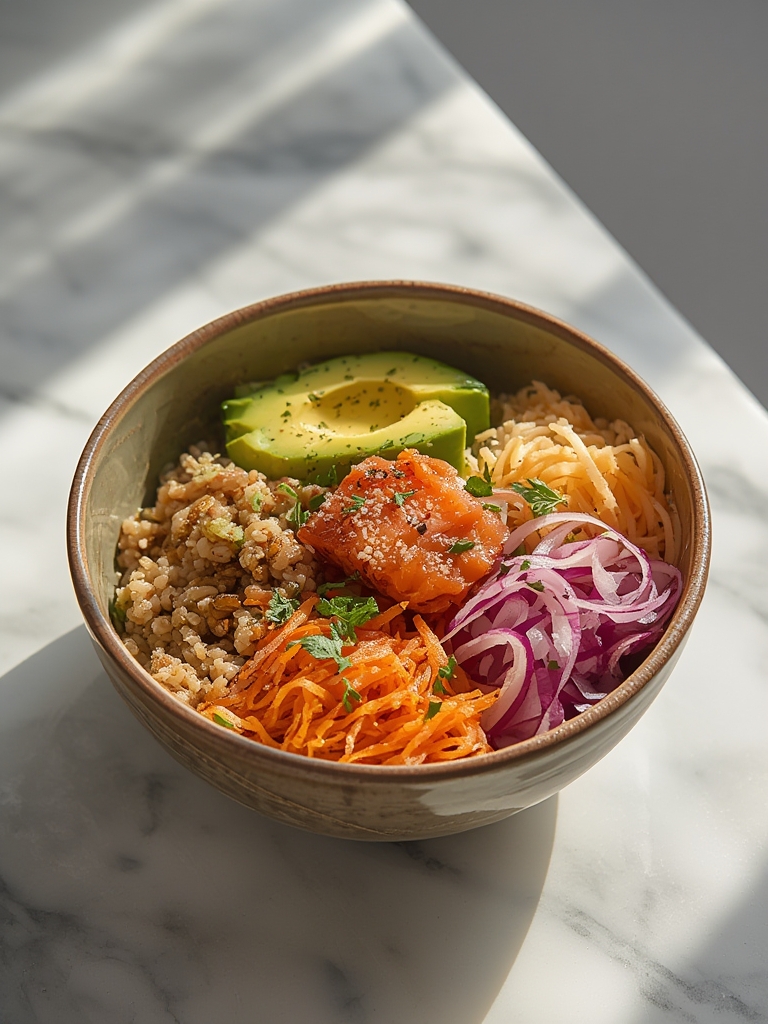
Welcome to the world of healthy & functional cooking, where every bite fuels your body and supports long‑term wellness. In this guide we’ll explore how to grow a versatile super‑green—kale—and transform it into nutrient‑dense meals that boost immunity, support digestion, and keep you energized throughout the day. By following data‑backed practices for soil preparation, watering, harvesting, and cooking, you’ll create a sustainable loop: fresh produce from your garden, delicious recipes for your table, and lasting health benefits.
Step 1: Preparing the Soil for Kale
Test and Amend the Soil
- pH Check: Kale thrives in slightly acidic to neutral soil (pH 6.0–7.0). Use a simple garden pH test kit; if the reading is below 6.0, add lime, and if above 7.0, incorporate elemental sulfur.
- Organic Matter: Incorporate 2–3 inches of well‑rotted compost or aged manure. This improves water retention and provides a steady release of nitrogen—crucial for leafy growth.
- Micronutrients: Sprinkle a balanced granular fertilizer (e.g., 10‑10‑10) at a rate of 1 lb per 100 sq ft, following the manufacturer’s instructions.
Site Selection and Layout
- Choose a sunny spot receiving at least 6 hours of direct sunlight daily; kale tolerates partial shade but yields are higher with full sun.
- Space rows 18–24 inches apart to allow air circulation, reducing the risk of fungal diseases such as downy mildew.
Step 2: Planting and Caring for Kale
Sowing Seeds
- Plant seeds ¼‑½ inch deep, spacing each seed 3–4 inches apart. For a continuous harvest, sow a new batch every 2–3 weeks.
- Cover lightly with soil and gently water to settle the seedbed.
Watering Schedule
- Maintain consistent moisture—aim for 1–1.5 inches of water per week. Use a drip‑irrigation system or a soaker hose to deliver water directly to the root zone, minimizing leaf wetness.
- During hot spells, increase frequency to 2–3 times per week, ensuring the soil stays evenly damp but not soggy.
Fertilizing and Pest Management
- Apply a side‑dressing of compost or a nitrogen‑rich liquid feed every 4–6 weeks to sustain leaf growth.
- Monitor for pests such as aphids and cabbage loopers. Introduce beneficial insects (ladybugs, lacewings) and use neem oil sprays (2 tsp per gallon) as a low‑toxicity control method.
Step 3: Harvesting Kale for Maximum Nutrition
Timing the Harvest
- Begin harvesting when leaves reach 6–8 inches in length. Cut the outer leaves first, leaving the central bud intact to continue producing new growth.
- For the highest glucosinolate content (the compounds linked to cancer‑fighting properties), harvest in the early morning after the dew has dried.
Post‑Harvest Handling
- Rinse leaves in cold water to remove soil and insects. Soak for 5 minutes, then spin dry in a salad spinner.
- Store in a perforated plastic bag in the refrigerator’s crisper drawer; kale stays fresh for up to 10 days.
Step 4: Transforming Kale into Functional Meals
Basic Preparation Techniques
- Massage for Tenderness: Lightly coat chopped kale with a teaspoon of olive oil and a pinch of sea salt; massage for 2–3 minutes. This breaks down cell walls, reducing bitterness and improving nutrient absorption.
- Blanching to Preserve Color: Drop leaves into boiling water for 30 seconds, then plunge into ice water. This locks in chlorophyll and reduces oxalic acid, making the leaves easier to digest.
Three Data‑Driven Recipes
- Kale & Quinoa Power Bowl (serves 2)
- Cook ½ cup quinoa in low‑sodium broth; add 1 tsp turmeric for anti‑inflammatory benefits.
- Top with 2 cups massaged kale, ¼ cup roasted chickpeas, and a drizzle of lemon‑tahini dressing (1 tbsp tahini, 1 tsp lemon juice, water to thin).
- Nutrition snapshot: 350 kcal, 12 g protein, 8 g fiber, 2 g omega‑3 (from tahini).
- Kale‑Infused Green Smoothie (single serving)
- Blend 1 cup kale, ½ banana, ¼ avocado, ½ cup unsweetened almond milk, and 1 tsp spirulina.
- Result: 180 kcal, 5 g protein, 6 g fiber, 250 mg calcium.
- Spicy Kale Stir‑Fry (serves 3)
- Sauté 2 tsp coconut oil, add 2 minced garlic cloves, ½ tsp red‑pepper flakes, and 3 cups kale.
- Finish with a splash of tamari and a sprinkle of toasted sesame seeds.
- Nutrition snapshot: 220 kcal, 7 g protein, 9 g fiber, 2 g iron.
Step 5: Tracking Your Health Impact
Simple Metrics to Monitor
- Energy Levels: Log daily energy on a 1–10 scale; many users report a 1–2 point increase after two weeks of regular kale consumption.
- Digestive Comfort: Record frequency of bloating or regularity; the fiber in kale often improves stool consistency within 5–7 days.
- Blood Markers: If possible, test fasting blood glucose and cholesterol every 4–6 weeks. Studies show a modest reduction (≈5 %) in LDL cholesterol with consistent leafy green intake.
Adjusting Your Routine
- If you notice digestive discomfort, increase the amount of cooked kale relative to raw, as heat reduces certain goitrogenic compounds.
- Pair kale with vitamin C‑rich foods (citrus, bell peppers) to enhance iron absorption, especially important for plant‑based eaters.
By integrating these evidence‑based gardening practices with functional cooking techniques, you create a closed‑loop system that supports both your palate and your physiology. Freshly harvested kale delivers maximum nutrients, while the recipes provided translate those nutrients into delicious, easy‑to‑prepare meals. Start small—plant a few seeds, try the power bowl, and track your results. Over time, you’ll build a resilient habit that nourishes body, mind, and garden alike.