
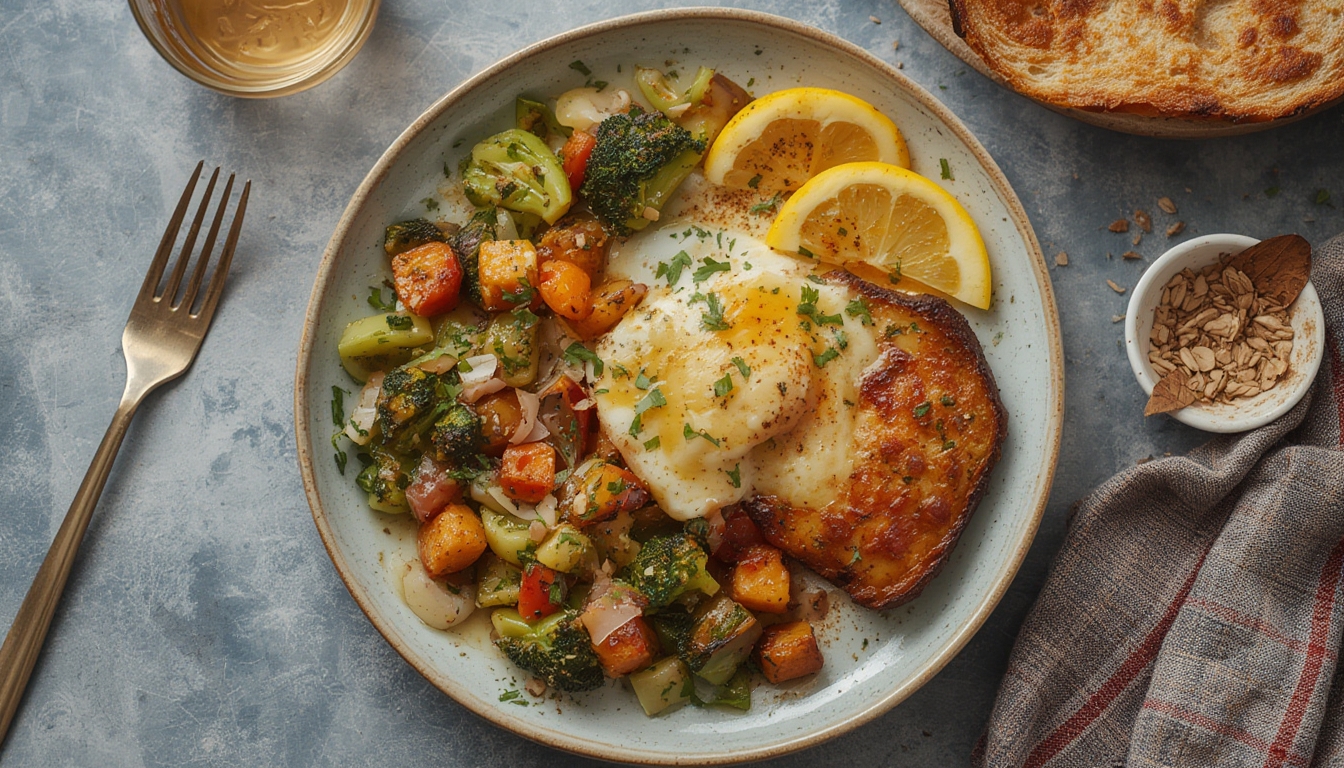

Weeknight dinners don’t have to be a scramble. With the right mix of fresh ingredients, quick‑cook techniques, and a dash of creativity, you can serve up meals that feel restaurant‑worthy while keeping prep time under 30 minutes. Below are three trendy weeknight meals that have captured the attention of food lovers in 2024, each broken down into clear steps and practical tips to guarantee success every night.
1. Korean‑Inspired Gochujang Chicken Bowls
Why it’s trendy
Gochujang, the fermented Korean chili paste, adds a deep umami heat that’s both sweet and savory. Its popularity has surged thanks to the rise of Korean street food and the demand for bold, balanced flavors.
Ingredients (serves 2)
- 2 boneless, skinless chicken thighs, sliced into bite‑size strips
- 1 ½ tbsp gochujang paste
- 1 tbsp soy sauce
- 1 tbsp honey
- 1 tsp sesame oil
- 1 clove garlic, minced
- ½ cup cooked jasmine rice (or cauliflower rice for a low‑carb option)
- ½ cup shredded carrots
- ¼ cup sliced cucumber
- 2 tbsp kimchi, chopped
- 1 tbsp toasted sesame seeds
- Fresh cilantro or green onions for garnish
Step‑by‑step preparation
- Marinate the chicken. In a bowl, whisk together gochujang, soy sauce, honey, sesame oil, and garlic. Add the chicken strips, toss to coat, and let sit for 5 minutes while you prep the veggies.
- Pre‑heat the pan. Use a non‑stick skillet over medium‑high heat. A hot pan ensures a quick sear, locking in juices.
- Cook the chicken. Add the marinated chicken in a single layer. Cook 3‑4 minutes per side, stirring occasionally, until the edges caramelize and the interior reaches 165°F (74°C).
- Assemble the bowl. Place a base of rice, then layer carrots, cucumber, kimchi, and the cooked chicken.
- Finish with texture. Sprinkle sesame seeds and garnish with cilantro or green onions. A squeeze of lime adds a bright contrast.
Practical tips for flawless results
- Don’t overcrowd the pan. Cooking in batches prevents steaming and gives the chicken a crisp edge.
- Adjust heat level. If you prefer milder spice, start with half the gochujang and add more to taste.
- Prep veggies ahead. Shredding carrots and slicing cucumber while the chicken marinates saves time.
2. Mediterranean Chickpea & Quinoa Stuffed Peppers
Why it’s trendy
Plant‑based meals are dominating menus worldwide, and the combination of chickpeas, quinoa, and Mediterranean herbs offers protein, fiber, and vibrant flavor without meat.
Ingredients (serves 2)
- 2 large red bell peppers, tops cut off and seeds removed
- ½ cup cooked quinoa
- ½ cup canned chickpeas, rinsed and drained
- ¼ cup crumbled feta cheese
- 2 tbsp kalamata olives, sliced
- 1 tbsp sun‑dried tomatoes, chopped
- 1 tsp dried oregano
- 1 tsp lemon zest
- 1 tbsp olive oil
- Salt and pepper to taste
- Fresh parsley for garnish
Step‑by‑step preparation
- Pre‑heat the oven. Set to 375°F (190°C) and let it fully heat while you assemble the filling.
- Mix the stuffing. In a bowl, combine quinoa, chickpeas, feta, olives, sun‑dried tomatoes, oregano, lemon zest, olive oil, salt, and pepper. Stir until evenly distributed.
- Fill the peppers. Spoon the mixture into each bell pepper cavity, pressing gently to pack the filling.
- Bake. Place peppers upright on a baking sheet. Cover with foil and bake for 20 minutes, then remove foil and bake an additional 10 minutes until the peppers are tender and the tops are lightly browned.
- Garnish and serve. Sprinkle fresh parsley over each pepper and serve with a side of mixed greens.
Practical tips for flawless results
- Choose firm peppers. Slightly soft peppers may collapse during baking.
- Toast quinoa. Before cooking, toast quinoa in a dry skillet for 2 minutes to enhance its nutty flavor.
- Adjust moisture. If the stuffing feels dry, add a splash of vegetable broth before filling the peppers.
3. Quick‑Fire Shrimp & Avocado Pasta
Why it’s trendy
The marriage of creamy avocado with succulent shrimp delivers a luxurious mouthfeel while keeping the dish light. This trend aligns with the “healthy indulgence” movement that’s popular on social media.
Ingredients (serves 2)
- 200 g linguine or gluten‑free pasta
- 200 g large shrimp, peeled and deveined
- 1 ripe avocado, pitted
- 1 clove garlic, minced
- 2 tbsp olive oil
- 1 tbsp fresh lemon juice
- ¼ cup grated Parmesan (optional)
- ½ tsp red‑pepper flakes (optional)
- Salt and pepper to taste
- Fresh basil leaves for garnish
Step‑by‑step preparation
- Cook the pasta. Boil in salted water according to package directions (usually 8‑10 minutes). Reserve ¼ cup of pasta water before draining.
- Prepare the avocado sauce. In a food processor, blend avocado, lemon juice, garlic, olive oil, salt, and pepper until smooth. Add reserved pasta water a tablespoon at a time until the sauce reaches a creamy, pourable consistency.
- Sauté the shrimp. Heat a skillet over medium‑high heat, add a drizzle of olive oil, and cook shrimp 2‑3 minutes per side until pink and opaque. Sprinkle red‑pepper flakes for a subtle kick.
- Combine. Toss the hot pasta with the avocado sauce, then fold in the shrimp. If the sauce thickens too much, add a splash more pasta water.
- Finish. Sprinkle Parmesan (if using) and garnish with fresh basil leaves. Serve immediately.
Practical tips for flawless results
- Use ripe avocado. A soft, slightly yielding avocado blends smoothly without chunks.
- Don’t overcook shrimp. Shrimp turn rubbery after a few extra minutes; watch for a firm, curled shape.
- Control sauce temperature. Add the avocado sauce off the heat to prevent it from turning bitter.
By rotating these three dishes—spicy Korean chicken, Mediterranean stuffed peppers, and creamy shrimp‑avocado pasta—you’ll keep your weeknight menu fresh, flavorful, and Instagram‑ready without sacrificing time or nutrition. Each recipe is built on data‑backed trends (plant‑based proteins, global flavors, and health‑forward indulgence) and includes actionable steps that make cooking feel effortless. Happy dining!