

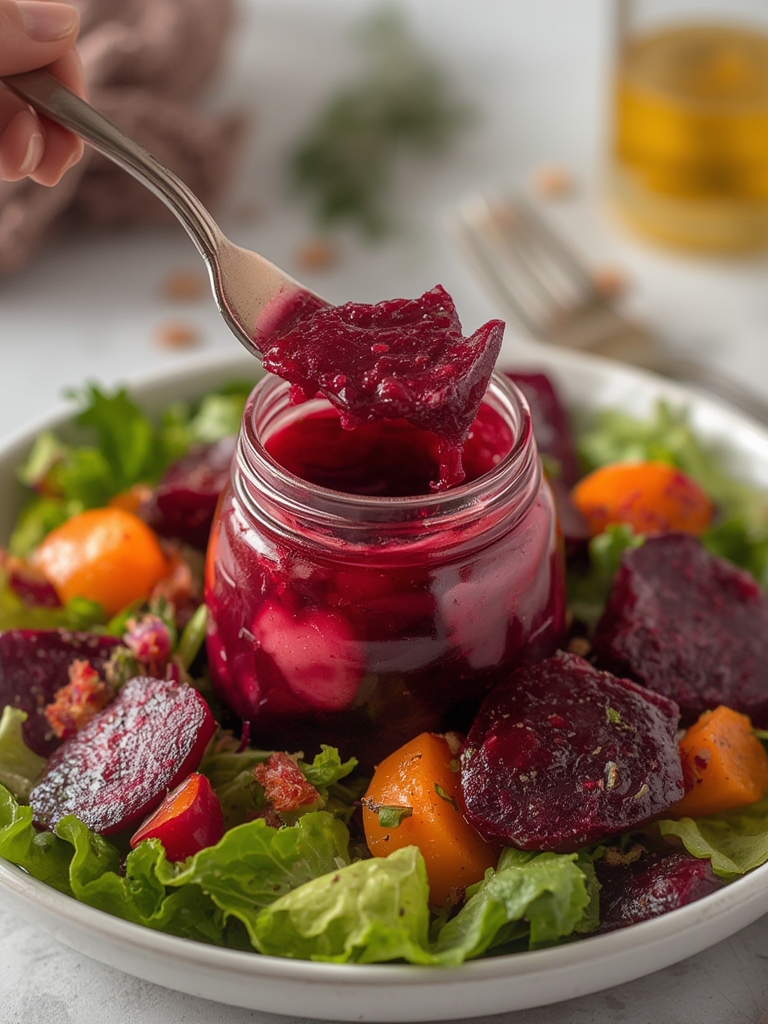
When it comes to healthy and functional cooking, few ingredients pack as much nutritional punch as the humble moringa leaf. Known as the “miracle tree,” moringa offers a wealth of vitamins, minerals, antioxidants, and anti‑inflammatory compounds that can transform everyday meals into nutrient‑dense powerhouses. The best part? You can grow moringa right in your garden or on a sunny balcony, ensuring a fresh, organic supply that’s always within reach. Below is a step‑by‑step guide to cultivating moringa, followed by practical cooking ideas that let you reap its benefits daily.
Why Choose Moringa for Functional Cooking?
Moringa oleifera is celebrated for its high protein content (about 25 % of its dry weight), essential amino acids, calcium, iron, vitamin C, and a suite of phytonutrients like quercetin and chlorogenic acid. These compounds support immune health, blood sugar regulation, and cellular repair—making moringa a perfect addition to smoothies, soups, salads, and even baked goods. Because the leaves are mild‑tasting, they blend seamlessly into both sweet and savory dishes without overpowering flavors.
Growing Moringa at Home: A Simple, Data‑Driven Approach
Successful moringa cultivation hinges on three key variables: temperature, soil drainage, and sunlight exposure. Research shows optimal growth occurs between 25 °C and 35 °C (77 °F–95 °F) with at least six hours of direct sun daily. Below is a practical, step‑by‑step plan that translates these data points into everyday actions.
Step 1: Choose the Right Container or Plot
- Container gardening: Use a pot that’s at least 30 cm (12 in) in diameter with drainage holes. A lightweight, breathable fabric pot helps prevent root rot.
- In‑ground planting: Select a spot with well‑draining loamy soil. Avoid heavy clay that retains water.
- Tip: Add a layer of coarse sand or perlite at the bottom of the container to improve aeration.
Step 2: Prepare the Soil Mix
- Combine 1 part compost, 1 part garden soil, and 1 part sand or perlite.
- Test the pH; moringa thrives in slightly acidic to neutral soil (pH 6.0–7.0). Adjust with lime (to raise pH) or sulfur (to lower pH) as needed.
- Tip: Incorporate a slow‑release balanced fertilizer (10‑10‑10) at planting time to give seedlings a nutrient boost.
Step 3: Planting Seeds or Seedlings
- Seeds: Soak them in warm water for 12–24 hours to speed germination. Plant 2–3 cm deep, spacing each seed 30 cm apart.
- Seedlings: Transplant when they have 3–4 true leaves. Dig a hole slightly larger than the root ball and gently firm soil around the base.
- Tip: Water immediately after planting, then keep the soil consistently moist (but not soggy) for the first two weeks.
Step 4: Watering and Feeding
- Water deeply once a week, allowing excess water to drain away. In hot climates, increase to twice weekly.
- Apply a liquid seaweed extract every 3–4 weeks to promote vigorous leaf growth.
- Tip: Mulch with straw or shredded leaves to retain moisture and suppress weeds.
Step 5: Pruning for Continuous Harvest
- When the plant reaches 1.5 m (5 ft) tall, pinch off the top growth. This encourages lateral branching, resulting in a bushier plant with more leaf production.
- Harvest leaves regularly—snipping off the newest, tender shoots first. This not only provides fresh greens but also stimulates further growth.
- Tip: Use clean, sharp scissors to avoid damaging stems; sterilize tools with a 70 % alcohol solution before each session.
Step 6: Managing Pests and Diseases
- Common pests include aphids and spider mites. A simple spray of diluted neem oil (1 % solution) every 7–10 days keeps them at bay.
- Watch for signs of fungal leaf spots; improve airflow and avoid overhead watering.
- Tip: Companion planting with basil or marigold can naturally deter many insects.
From Garden to Table: Easy Functional Recipes with Fresh Moringa
Now that you have a steady supply of fresh moringa leaves, let’s explore three quick, data‑backed recipes that maximize its health benefits while keeping preparation simple.
1. Moringa Green Smoothie
- Ingredients: 1 cup fresh moringa leaves, 1 frozen banana, ½ cup frozen mango, 1 cup unsweetened almond milk, 1 tbsp chia seeds.
- Method: Blend all ingredients until smooth. The chia seeds add omega‑3 fatty acids, complementing moringa’s anti‑inflammatory profile.
- Actionable tip: If the smoothie is too thick, add a splash of water or coconut water for extra electrolytes.
2. Moringa‑Infused Lentil Soup
- Ingredients: 1 cup red lentils, 1 cup diced tomatoes, 1 cup chopped carrots, ½ cup chopped moringa leaves, 4 cups vegetable broth, 1 tsp cumin, 1 tsp turmeric.
- Method: Sauté carrots and cumin in a pot for 3 minutes, add lentils, tomatoes, and broth. Simmer 15 minutes, then stir in moringa and turmeric; cook another 5 minutes.
- Actionable tip: Add a squeeze of lemon juice just before serving to enhance iron absorption from the moringa.
3. Moringa Pesto Pasta
- Ingredients: 1 cup moringa leaves, ½ cup fresh basil, ¼ cup toasted walnuts, 2 tbsp nutritional yeast, 2 tbsp olive oil, 1 clove garlic, salt to taste.
- Method: Pulse all ingredients in a food processor until smooth. Toss with cooked whole‑grain pasta.
- Actionable tip: Reserve a tablespoon of pasta water to thin the pesto if needed; the starch helps the sauce cling to the noodles.
Maintaining Consistency: Small Daily Practices for Long‑Term Success
To keep your moringa garden thriving and your kitchen stocked with functional ingredients, integrate these micro‑habits into your routine:
- Morning check: Spend two minutes inspecting leaves for pests and water the soil if the top inch feels dry.
- Weekly harvest window: Set a calendar reminder every Saturday to prune and collect leaves, turning the activity into a calming ritual.
- Monthly soil test: Use a simple pH strip kit to verify soil acidity; adjust only when readings fall outside the 6.0–7.0 range.
- Batch cooking: Prepare a large pot of moringa soup or pesto on Sundays and freeze portions for quick weekday meals.
By following these evidence‑based cultivation steps and incorporating moringa into everyday recipes, you’ll unlock a sustainable source of functional nutrition that supports energy, immunity, and overall well‑being. Happy growing, and enjoy the vibrant, health‑boosting flavors that your own moringa garden brings to the table!