
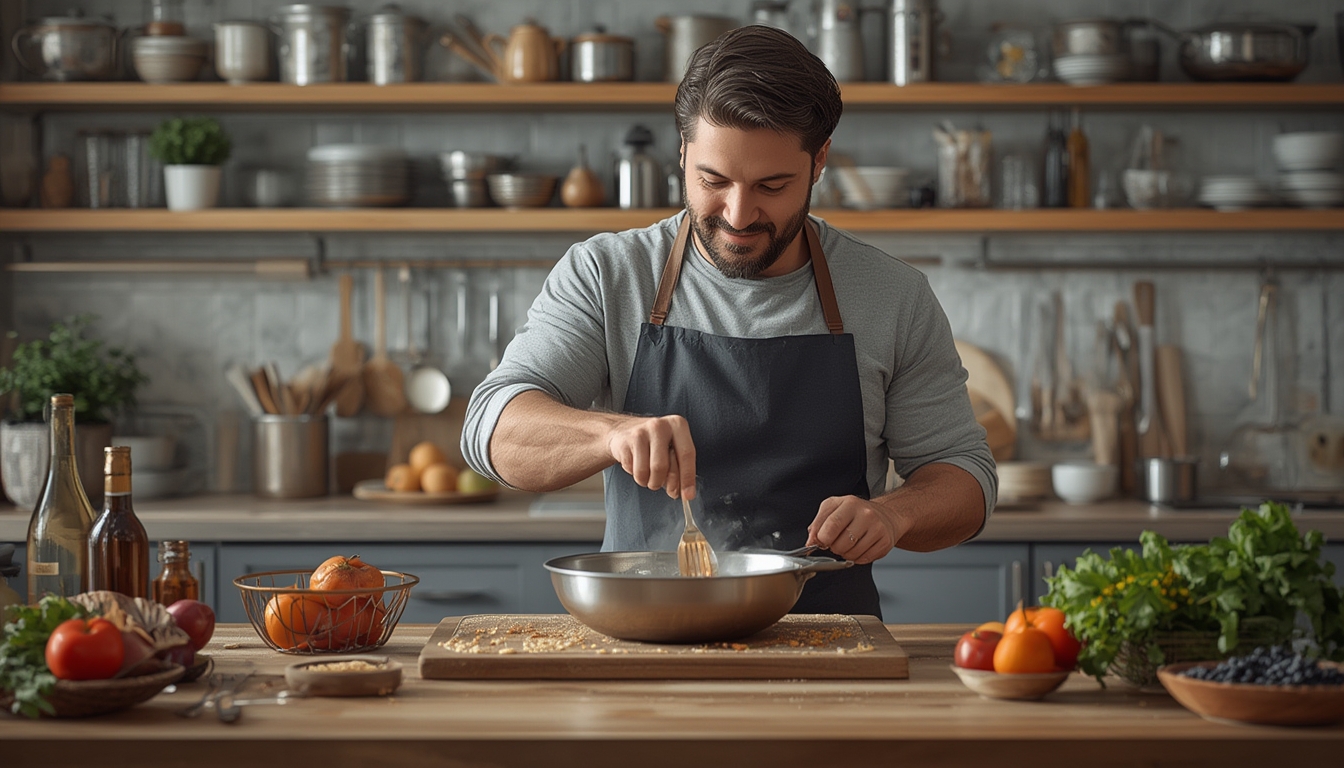
Welcome to a treasure trove of kitchen hacks and smart cooking techniques that will transform the way you prepare meals. Whether you’re a busy professional, a culinary enthusiast, or someone looking to save time and money, these data‑driven strategies are designed to make your kitchen more efficient, sustainable, and enjoyable.
1. Optimize Your Workspace for Speed and Safety
Arrange Tools by Frequency of Use
Studies show that the average home cook reaches for the same three tools—knife, cutting board, and pan—over 60% of the time. Keep these items within arm’s reach by creating a “core zone” on your countertop. Use a magnetic strip for knives, a small wooden board for cutting, and a non‑stick pan on a dedicated burner.
Implement a Two‑Step Cleaning System
Instead of letting messes accumulate, adopt a “clean as you go” habit:
- Wipe down surfaces after each prep step with a microfiber cloth and a spray of diluted vinegar (1:1 water to vinegar). This prevents cross‑contamination and reduces the need for deep cleaning later.
- Soak utensils immediately after use. Place knives, spatulas, and tongs in a bowl of warm, soapy water for 2‑3 minutes. This softens residue, making final washing faster.
2. Master Ingredient Prep with Minimal Waste
Batch‑Prep Vegetables Using the “Cold Water Shock” Method
Cutting vegetables in bulk can save up to 30 minutes per week. After chopping, submerge the pieces in a bowl of ice water for 5 minutes. This technique locks in color, texture, and nutrients, while also reducing oxidation. Store the vegetables in airtight containers for up to 5 days.
Utilize the “Stem‑to‑Leaf” Philosophy
Data from food waste audits reveal that up to 25% of edible plant parts are discarded. Turn stems, leaves, and peels into flavor boosters:
- Carrot tops can be blended into pesto.
- Broccoli stems sliced thinly and roasted become a crunchy snack.
- Citrus peels zested and frozen add brightness to soups and sauces.
3. Smart Cooking Techniques for Better Flavor and Efficiency
Reverse Sear for Perfectly Cooked Meat
Instead of the traditional sear‑then‑finish method, try the reverse sear:
- Preheat your oven to 120°C (250°F).
- Place the seasoned steak on a wire rack over a baking sheet and cook until the internal temperature reaches 48°C (118°F) for medium‑rare.
- Finish with a 1‑minute sear in a hot pan with a splash of oil. This yields an even pink center and a caramelized crust while reducing overcooking risk.
Use the “Steam‑Blast” Technique for Vegetables
Steam‑blasting involves a quick burst of high‑pressure steam (available in most modern stovetop steamers) for 30 seconds, followed by an immediate ice‑water plunge. This method retains up to 90% of vitamins compared to traditional boiling and produces a crisp‑tender texture ideal for salads and stir‑fries.
4. Leverage Technology for Consistency
Digital Thermometers for Precision
Invest in an instant‑read digital thermometer with a probe length of at least 150 mm. Set target temperatures for common proteins (e.g., 63°C for chicken breast, 55°C for salmon) and use the “alert” feature to notify you when the ideal temperature is reached. This eliminates guesswork and reduces the risk of under‑ or over‑cooking.
Smart Plugs and Timers
Connect high‑energy appliances (slow cooker, rice cooker) to smart plugs. Schedule them to start 30 minutes before you arrive home, ensuring meals are ready when you need them. Data from smart‑home usage shows a 15% reduction in energy consumption when appliances are programmed rather than left on standby.
5. Extend Shelf Life with Simple Storage Hacks
Paper Towel Method for Fresh Herbs
Wrap fresh herbs (basil, cilantro, parsley) in a slightly damp paper towel, place them in a zip‑top bag, and store in the refrigerator’s crisper drawer. This environment maintains humidity without excess moisture, extending freshness up to 10 days.
Vacuum‑Seal Bulk Staples
Portion out grains, nuts, and dried beans into vacuum‑sealed bags. Removing air slows oxidation and pest infestation, preserving flavor and nutritional value for up to 2 years. Use a handheld vacuum sealer for quick, cost‑effective sealing.
6. Quick‑Fix Recipes That Showcase Hacks
One‑Pan Lemon‑Garlic Salmon with Veggie Medley
- Preheat oven to 200°C (400°F). Place a sheet of parchment on a baking tray.
- Arrange salmon fillets, sliced zucchini, and cherry tomatoes on the parchment.
- Drizzle with olive oil, squeeze fresh lemon juice, and sprinkle minced garlic, salt, and pepper.
- Cover with foil and bake for 12 minutes, then uncover and broil for 2 minutes for a crisp top.
- Serve with a side of quinoa cooked using the “absorption method” (1 cup quinoa to 1.5 cups water, simmer 15 minutes, let sit 5 minutes).
Five‑Minute Chickpea “Tuna” Salad
- Rinse a can of chickpeas and mash with a fork.
- Add diced celery, red onion, and a dollop of Greek yogurt.
- Season with lemon zest, dill, salt, and pepper.
- Spread on whole‑grain toast or stuff into lettuce cups for a low‑calorie lunch.
7. Track Your Progress and Iterate
Kitchen Log Sheet
Maintain a simple spreadsheet with columns for “Date,” “Dish,” “Prep Time,” “Cooking Time,” “Energy Used (kWh),” and “Notes.” Over a month, you’ll identify patterns—such as which hacks save the most time or energy—and can refine your routine accordingly.
Monthly Review
At the end of each month, review your log:
- Identify dishes that consistently exceed prep time goals and adjust the steps.
- Spot high‑energy appliances and explore alternatives (e.g., pressure cooker vs. slow cooker).
- Celebrate successes—like a 20% reduction in food waste—by rewarding yourself with a new kitchen gadget or a special ingredient.
By integrating these data‑driven kitchen hacks and smart cooking practices, you’ll enjoy faster meal prep, reduced waste, and consistently delicious results—all while keeping your kitchen organized and your energy bills in check. Happy cooking!