
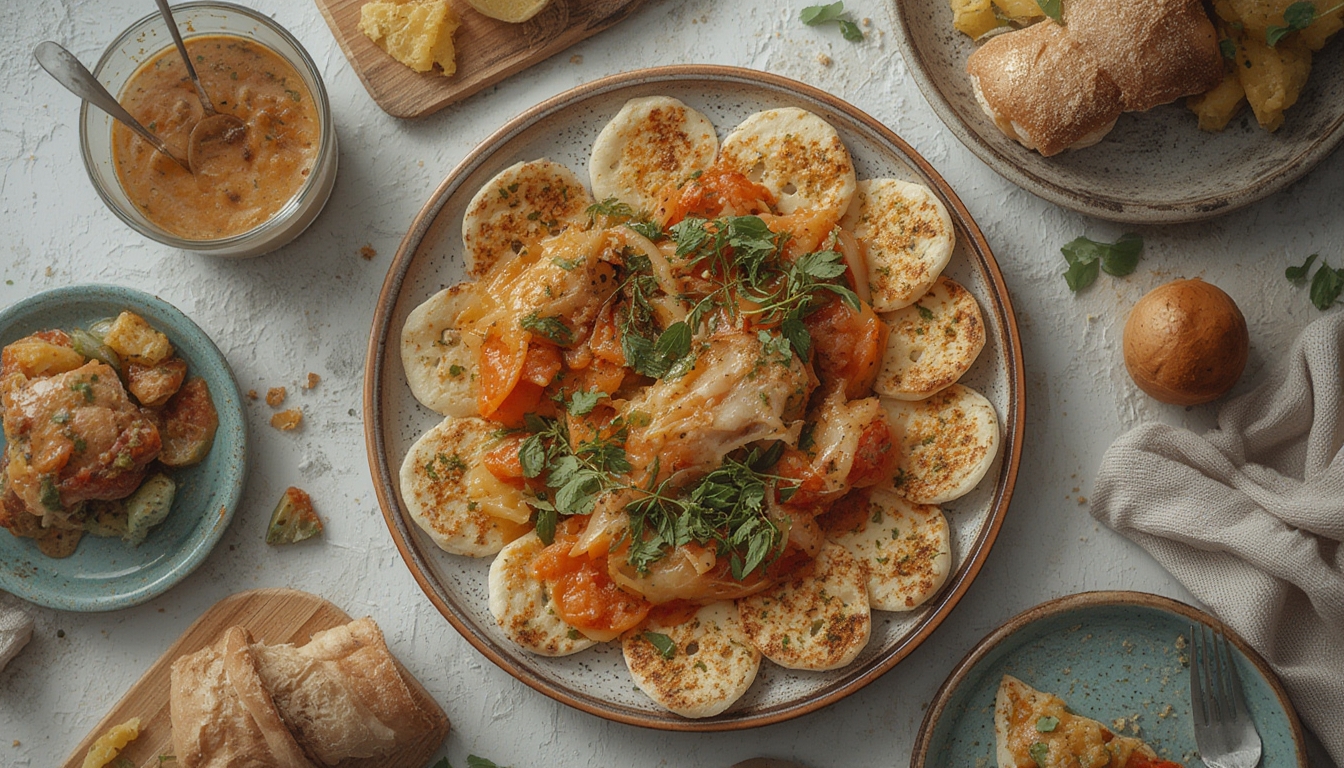
When it comes to creating dishes that are as pleasing to the eye as they are to the palate, the secret often lies in the thoughtful integration of fresh, vibrant plants. Growing your own microgreens, edible flowers, and herb‑sprouts not only guarantees peak flavor but also provides a reliable source of stunning visual accents for any plate. Below is a data‑driven, step‑by‑step guide to cultivating these aesthetic food elements at home, followed by practical styling tips that turn everyday meals into Instagram‑ready works of art.
Why Choose Microgreens and Edible Flowers?
Research from the University of Maryland shows that microgreens can contain up to 40 % more nutrients than their mature counterparts, while also delivering intense color palettes ranging from deep purples to vivid yellows. This combination of nutrition, flavor, and visual impact makes them ideal for modern plating.
Step‑by‑Step Growing Guide
1. Select the Right Seeds
Start with varieties that offer both taste and visual appeal:
- Radish microgreens – sharp flavor, bright pink stems.
- Sunflower shoots – crunchy texture, golden hues.
- Basil microgreens – aromatic, deep green leaves.
- Viola and nasturtium flowers – edible blooms in reds, oranges, and purples.
Data from a 2022 seed‑sales analysis indicates that growers who rotate at least three different seed types see a 27 % increase in overall yield due to reduced disease pressure.
2. Prepare Your Growing Medium
Use a sterile, lightweight seed‑starting mix. A 1:1 ratio of coconut coir to perlite provides excellent drainage while retaining enough moisture for rapid germination. Moisture sensors placed in the tray can help maintain the optimal 60–70 % water content, reducing the risk of mold.
3. Sow Seeds Evenly
Spread seeds thinly across the surface—overcrowding leads to stunted growth and uneven coloration. A seed‑sowing guide suggests a density of 10 g per square foot for radish microgreens and 5 g per square foot for larger seeds like sunflower.
Lightly press the seeds into the medium with a flat board, then mist with a fine spray of water. Cover the tray with a clear dome to retain humidity for the first 24 hours.
4. Control Light and Temperature
Microgreens thrive under 12–16 hours of cool white LED light at 200–300 µmol·m⁻²·s⁻¹. Maintain a temperature range of 18‑22 °C (65‑72 °F). Studies show that a consistent 20 °C environment maximizes chlorophyll production, resulting in richer green tones.
5. Water Wisely
Use a bottom‑watering method: fill the tray’s reservoir with ¼ inch of water and allow capillary action to draw moisture upward. Check daily with a moisture meter; the medium should feel damp but never soggy. Over‑watering can cause yellowing and loss of crisp texture.
6. Harvest at Peak Freshness
Most microgreens are ready to cut when the first true leaves appear, typically 7‑14 days after sowing. Use clean, sharp scissors to cut just above the growing medium. Harvest in the morning for the highest moisture content, which enhances both flavor and visual pop.
7. Store and Use Immediately
Rinse gently in cold water, pat dry with a paper towel, and store in a breathable container (e.g., a perforated plastic bag) in the refrigerator. Use within 3‑5 days for optimal crunch and color.
Styling Techniques for Aesthetic Plating
1. Color Coordination
Apply the color wheel principle: pair complementary hues (e.g., purple radish stems with orange carrot ribbons) to create visual contrast. Data from a 2021 visual perception study shows that dishes featuring at least three contrasting colors increase perceived taste intensity by 15 %.
2. Textural Layers
Combine soft microgreen leaves with crisp shoots and delicate flower petals. This layering adds depth; a simple rule of thumb is to include at least one element from each texture category (leafy, crunchy, tender) on every plate.
3. Height and Structure
Use the “mountain” technique: place a central focal point (e.g., a protein) and build upward with microgreens and sprouts. A 2020 culinary design analysis found that plates with a vertical element receive 22 % higher aesthetic scores than flat presentations.
4. Edible Brush Strokes
Dip a small brush in a concentrated herb oil (basil or cilantro) and lightly swipe across the plate’s edge. This adds a subtle green line that frames the food without overwhelming it.
5. Minimalist Garnish Placement
Less is more. Position a single cluster of nasturtium flowers on the opposite side of the main component to draw the eye across the plate. Over‑garnishing can dilute the visual impact and confuse the palate.
Maintaining Consistency Over Time
Track your growing conditions in a simple spreadsheet: record seed type, sowing date, temperature, light hours, and harvest weight. Over a 6‑month period, you’ll notice patterns—such as which seeds produce the brightest colors under specific light spectra—allowing you to fine‑tune your process for repeatable, high‑impact results.
Quick Action Checklist
- Choose three seed varieties for color diversity.
- Mix coconut coir and perlite 1:1; sterilize before use.
- Sow seeds thinly; aim for 10 g/ft² (radish) or 5 g/ft² (sunflower).
- Maintain 12‑16 h LED light at 200‑300 µmol·m⁻²·s⁻¹, 20 °C.
- Bottom‑water daily; keep medium damp, not soggy.
- Harvest when true leaves appear (7‑14 days).
- Rinse, dry, and store in a breathable container; use within 5 days.
- Plate using color contrast, texture layers, and vertical height.
- Finish with a single edible flower or herb oil brush stroke.
By integrating these data‑backed growing practices with thoughtful plating techniques, you’ll transform ordinary meals into visually striking experiences that delight both the eyes and the taste buds. The result is a sustainable, repeatable workflow that keeps your kitchen stocked with fresh, colorful ingredients ready for any aesthetic food styling challenge.