
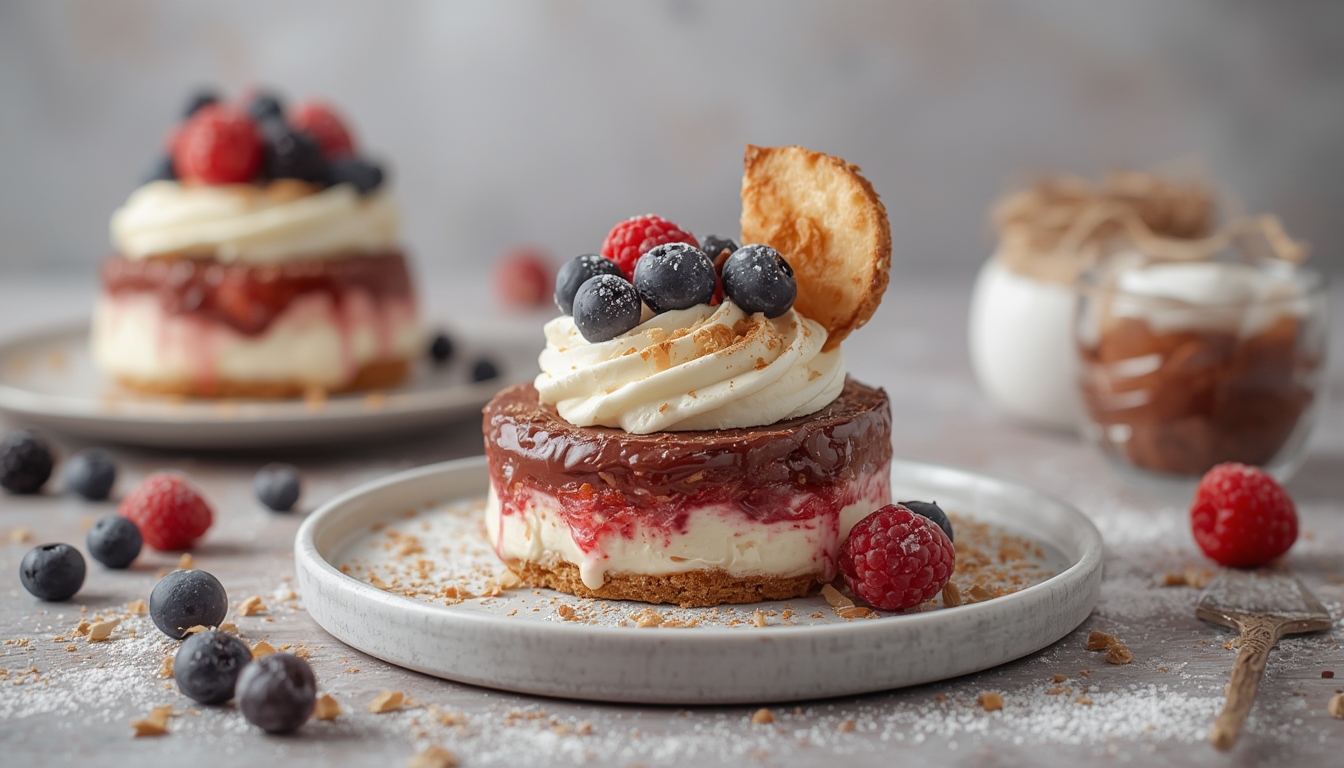
Modern desserts have moved far beyond the classic cakes and pies we grew up with. Today’s sweet creations blend science, art, and daring flavor pairings to surprise the palate and delight the eyes. Whether you’re a home baker curious about molecular techniques or a seasoned pastry chef looking to refresh your menu, this guide walks you through the essential concepts, tools, and step‑by‑step experiments that make contemporary sweets both approachable and unforgettable.
Understanding the Foundations of Sweet Experiments
Before diving into the kitchen, it helps to grasp the three pillars that support modern dessert innovation:
- Texture Engineering: From airy foams to delicate gels, texture defines the mouthfeel and can transform a simple flavor into a multisensory experience.
- Flavor Pairing Science: Using aroma compounds, contrast, and balance, you can create unexpected yet harmonious combinations.
- Precision Tools: Accurate measurements (grams, milliliters) and specialized equipment (syringe, immersion blender, silicone molds) ensure repeatable results.
Essential Ingredients and Tools for the Modern Sweet Kitchen
Equip your pantry and workspace with these basics to unlock a world of experimentation:
Key Ingredients
- Hydrocolloids: Agar‑agar, gelatin, xanthan gum, and sodium alginate for gels, spheres, and thickening.
- Emulsifiers: Lecithin, soy or sunflower lecithin for stable foams and airy textures.
- Sweeteners: Granulated sugar, dextrose, honey, and alternative sweeteners (erythritol, monk fruit) for varied sweetness levels.
- Flavor Boosters: Citrus zest, vanilla beans, espresso powder, and specialty extracts (lavender, yuzu) to deepen taste.
Must‑Have Tools
- Digital kitchen scale (accurate to 1 g)
- Immersion blender or hand‑held whisk
- Syringe or squeeze bottle (for spherification)
- Silicone molds (geodesic, dome, or sphere shapes)
- Thermometer (instant‑read for precise heating)
- Vacuum sealer (optional, for advanced infusions)
Step‑by‑Step Sweet Experiments
Below are three beginner‑friendly experiments that showcase modern techniques while staying manageable for a home kitchen.
1. Citrus‑Infused Agar Pearls (Spherification)
- Prepare the Bath: Dissolve 500 ml water with 5 g agar‑agar. Bring to a boil, then simmer 2 minutes while stirring. Cool to 40‑45 °C.
- Flavor the Liquid: In a separate bowl, mix 200 ml fresh orange juice, 20 g sugar, and a pinch of salt. Add 2 g sodium alginate, blending with an immersion blender until fully hydrated (≈2 minutes).
- Form Pearls: Using a syringe, drop the orange mixture into the agar bath. The droplets will solidify into soft pearls within seconds.
- Rinse and Store: Gently scoop the pearls with a slotted spoon, rinse in cold water, and keep them in a light syrup (simple syrup diluted 1:1) until serving.
- Tip: For a burst of contrast, serve the pearls atop a vanilla panna cotta or a dark chocolate mousse.
2. Coffee‑Espuma Foam (Foaming)
- Make the Base: Combine 100 ml strong cold brew coffee, 30 g sugar, and 2 g soy lecithin in a tall container.
- Blend: Use an immersion blender on high for 30 seconds, then let the mixture rest for 1 minute to allow bubbles to rise.
- Foam Extraction: Return the blender to the surface and blend for another 20 seconds, creating a thick, stable foam that rises to the top.
- Serve: Spoon the foam over a chilled chocolate tart or a scoop of vanilla ice cream.
- Tip: Adjust sweetness or add a dash of cinnamon for a seasonal twist.
3. Matcha‑Gelée with Coconut Cream (Gelatin Gel)
- Bloom Gelatin: Sprinkle 4 g powdered gelatin over 30 ml cold water; let sit 5 minutes.
- Heat the Liquid: Warm 200 ml coconut milk with 20 g sugar until just simmering. Remove from heat.
- Incorporate Matcha: Whisk 2 g culinary‑grade matcha powder into the hot coconut milk until fully dissolved.
- Combine: Stir the bloomed gelatin into the matcha‑coconut mixture until completely melted.
- Set: Pour into silicone molds and refrigerate for 2 hours.
- Serve: Unmold the gelées onto a plate, drizzle with a thin layer of mango purée, and garnish with toasted coconut flakes.
- Tip: For added texture, sprinkle a few crushed pistachios just before serving.
Practical Tips for Consistent Success
Even the most straightforward experiments can stumble without attention to detail. Keep these quick checks in mind:
- Temperature Control: Hydrocolloids behave differently above and below specific thresholds. Use a thermometer to avoid under‑ or over‑setting.
- Measure Precisely: A 0.5 g variance in gelatin can change firmness dramatically. Trust your scale.
- Fresh Ingredients: Citrus zest and fresh herbs lose potency quickly; use them within a day of purchase for maximum aroma.
- Clean Equipment: Residual fats or oils can prevent foams from forming. Rinse tools with hot water before each use.
- Trial Runs: Test a single batch before scaling up. Small adjustments (e.g., a touch more sugar) can make a big difference in the final taste.
Presentation Ideas to Wow Your Audience
Modern desserts are as much about visual impact as flavor. Here are a few low‑effort plating tricks:
- Layered Glasses: Alternate thin layers of fruit purée, gelée, and foam in a clear glass for a rainbow effect.
- Edible Soil: Blend toasted nuts, cocoa powder, and a pinch of salt; sprinkle around plates for a rustic look.
- Color Contrast: Pair pale desserts (e.g., matcha gelée) with bright accents (e.g., raspberry coulis) to draw the eye.
- Micro‑Garnishes: Use a micro‑sprayer to mist a hint of citrus oil over the dish just before serving.
By mastering these foundational techniques, you can continuously reinvent classic sweets and keep your audience guessing. The beauty of modern desserts lies in their flexibility—once you understand the science, the possibilities are limitless. Happy experimenting!