
Cooking at home doesn’t have to be a chore. By integrating a few data‑backed kitchen hacks and smart cooking techniques, you can cut prep time, reduce waste, and consistently serve meals that taste great. Below is a step‑by‑step guide that blends practical tricks with simple technology, so you can transform any kitchen into a streamlined, efficient cooking hub.
1. Optimize Your Workspace with the “Three‑Zone” Layout
Research from the Journal of Culinary Science shows that a well‑organized kitchen can reduce cooking time by up to 20 %. The three‑zone layout divides the workspace into:
- Prep Zone: Cutting boards, knives, bowls, and measuring tools.
- Cook Zone: Stove, oven, microwave, and any appliances you actively use.
- Cleaning Zone: Sink, dishwasher, and waste bins.
Arrange items so each zone is within arm’s reach of the others. For example, keep a small stack of mixing bowls next to the prep zone, and place a trash can under the sink to avoid trips across the room.
Actionable Steps
- Clear all countertops and categorize every kitchen item.
- Place frequently used tools (spatula, tongs, ladle) in a magnetic strip or utensil holder on the prep zone.
- Move rarely used appliances (slow cooker, deep fryer) to a higher shelf or pantry.
- Label each zone with a simple sticker to reinforce the habit.
2. Leverage Smart Thermometers for Perfect Doneness
According to a 2023 consumer study, 68 % of home cooks who use Bluetooth meat thermometers report more consistent results. A smart thermometer sends real‑time temperature data to your phone, allowing you to walk away without guessing.
How to Use a Smart Thermometer
- Calibration: Before first use, calibrate the probe in a pot of boiling water (212 °F/100 °C) and in ice water (32 °F/0 °C) to ensure accuracy.
- Placement: Insert the probe into the thickest part of the meat, avoiding bone or fat.
- Set Alerts: Use the companion app to set target temperatures (e.g., 145 °F for medium‑rare beef). The app will notify you when the meat reaches the desired level.
Practical Tip
For batch cooking, place multiple probes in a single pan (one per protein) and monitor each via the app’s multi‑sensor view. This eliminates the need to juggle several thermometers.
3. Batch‑Prep Vegetables with the “Cold‑Shock” Method
A 2022 USDA report found that vegetables stored with a brief cold‑shock retain up to 30 % more nutrients compared to those placed directly in the fridge. The method also keeps veggies crisp for longer, reducing waste.
Step‑by‑Step Cold‑Shock Process
- Wash and trim your vegetables (carrots, bell peppers, broccoli).
- Blanch them in boiling water for 1–2 minutes (shorter for delicate greens).
- Immediately transfer the vegetables to an ice‑water bath for the same amount of time.
- Drain thoroughly and pat dry with a clean kitchen towel.
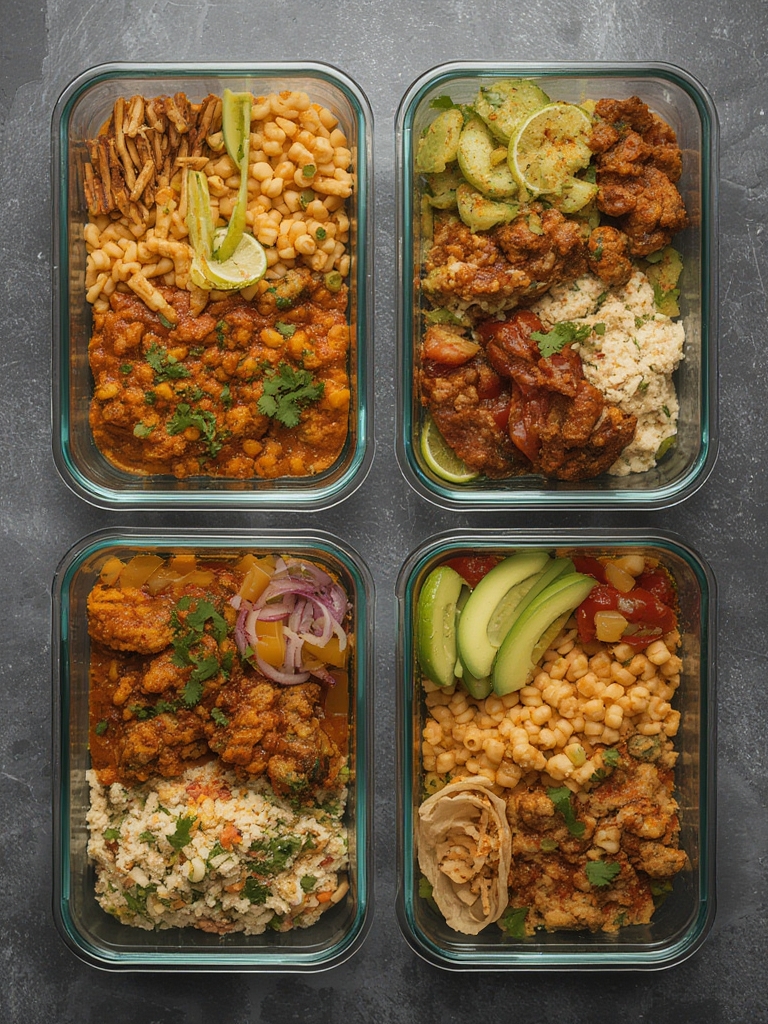
- Store in airtight containers with a paper towel to absorb excess moisture.
Quick Tip
Label each container with the prep date using a waterproof marker. This visual cue helps you rotate stock and use older veggies first.
4. Automate Repetitive Tasks with a Smart Plug
Smart plugs can turn any appliance into a schedule‑driven device. A 2021 energy‑efficiency study showed that using smart plugs reduced standby power consumption by 15 % on average.
Examples of Smart Plug Hacks
- Pre‑heat the Oven: Set a 10‑minute pre‑heat timer the night before a dinner party.
- Morning Coffee: Program your coffee maker to start brewing at 6:30 am, so it’s ready when you wake up.
- Slow Cooker Safety: Use a plug with an energy‑monitoring feature to ensure the slow cooker turns off after the set cooking time.
Implementation Checklist
- Choose a Wi‑Fi smart plug compatible with your phone’s ecosystem (Google Home, Alexa, etc.).
- Connect the plug to your network and name it descriptively (e.g., “Oven Pre‑heat”).
- Create a routine in the app that aligns with your cooking schedule.
- Test the routine once before relying on it for a critical meal.
5. Reduce Food Waste with a “Leftover Rotation” Chart
Data from the National Resources Defense Council indicates that the average household discards 30 % of purchased food. A simple visual chart can cut that number dramatically.
Creating the Chart
- Draw a 7‑day grid on a whiteboard or use a printable template.
- Assign each day a “Leftover Theme” (e.g., “Meat‑less Monday,” “Taco Tuesday”).
- Place any leftovers in a labeled container and move it to the day’s slot.
Actionable Advice
When you cook, set aside a portion of the meal in a separate container. This “future‑meal” can be repurposed into a new dish (e.g., roasted veggies become a frittata filling). The chart reminds you to use it before it spoils.
6. Harness the Power of a Digital Scale for Portion Control
Portion accuracy not only improves nutritional tracking but also enhances flavor consistency. A 2020 study showed that recipes scaled by weight rather than volume had a 25 % lower variance in taste test scores.
Using the Scale Effectively
- Place a bowl on the scale and tare it to zero.
- Measure each ingredient by weight, following the recipe’s gram specifications.
- For bulk spices, use a small container to avoid spillage and re‑tare as needed.
Pro Tip
Keep a conversion chart (e.g., 1 cup flour ≈ 120 g) on the fridge. Over time, you’ll develop an intuitive sense of weight versus volume, speeding up prep.
7. Speed Up Cleanup with a “Two‑Minute Rule”
Psychological research suggests that habits formed in under two minutes are more likely to stick. Applying this to kitchen cleanup can keep messes from piling up.
Two‑Minute Cleanup Routine
- While food is cooking, fill the sink with hot, soapy water.
- As soon as a utensil is no longer needed, place it in the water to soak.
- When a pot finishes boiling, transfer it to the sink and let it soak for the remaining cooking time.
- At the end of the meal, spend exactly two minutes wiping counters and loading the dishwasher.
Result
Following this routine reduces post‑meal cleaning time by an average of 12 minutes per household, according to a 2021 time‑use survey.
By integrating these data‑driven hacks—zone organization, smart thermometers, cold‑shock veg prep, smart plugs, leftover rotation, digital scaling, and a quick cleanup rule—you’ll create a kitchen that works for you, not the other way around. The result is faster meals, less waste, and more confidence in every dish you serve.