
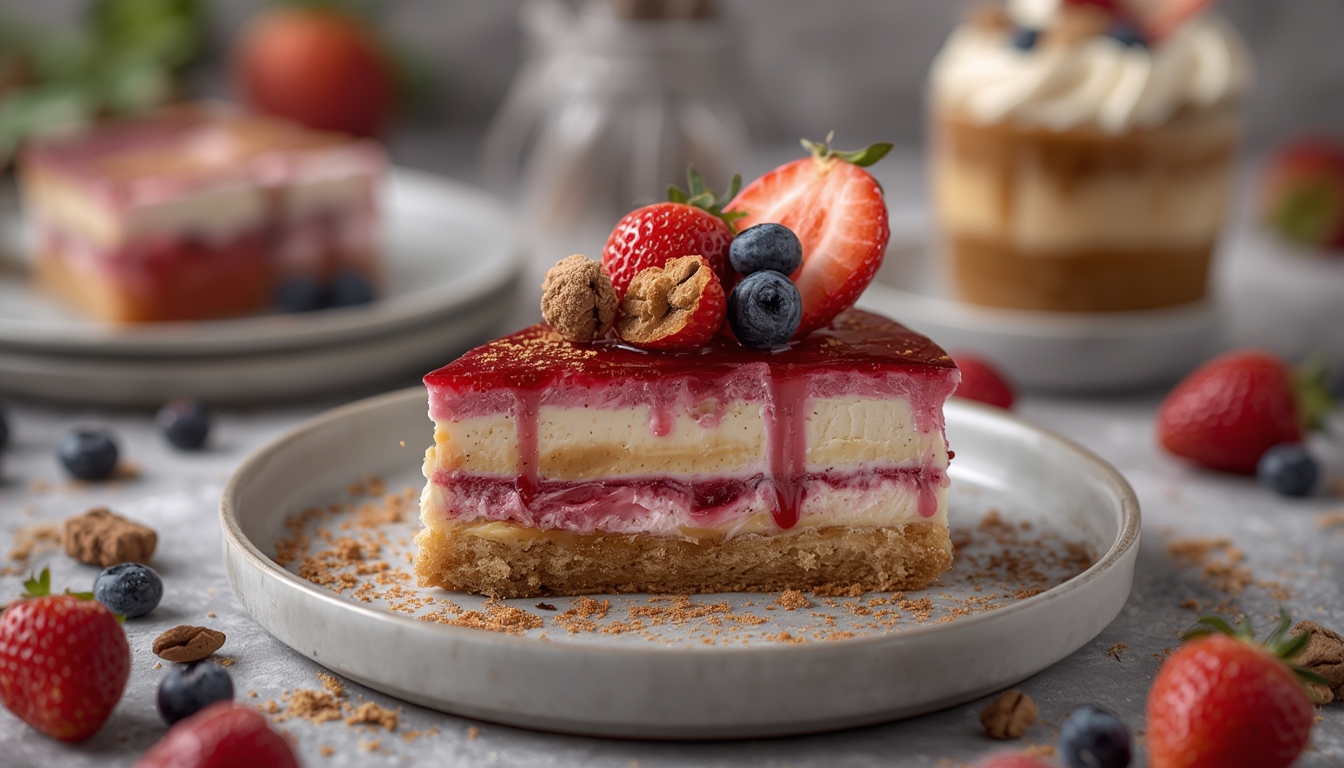
Modern desserts have moved beyond the classic cake and pie, inviting home bakers to experiment with textures, flavors, and even a touch of science. By blending culinary creativity with data‑driven insights—like flavor pairings that score high on taste‑compatibility charts—you can craft sweets that surprise and delight. This guide walks you through the mindset, essential tools, and step‑by‑step experiments that turn ordinary ingredients into extraordinary treats, while also showing you how to grow a few key plants that will keep your pantry stocked with fresh, aromatic boosters.
Understanding the Data Behind Sweet Success
Before diving into recipes, it’s useful to glance at the numbers that shape modern dessert trends. Platforms such as food‑trend analytics sites reveal that:
- Flavor pairings involving citrus, umami, and floral notes have surged by 27% in the past two years.
- Consumers rate desserts with a contrast of temperature (hot‑cold) 1.8× higher than single‑temperature dishes.
- Textures that combine crunch with creaminess (e.g., caramelized nuts on mousse) receive the highest repeat‑purchase intent.
Use these insights to select ingredients that not only taste great together but also align with what people are actively seeking.
Essential Tools for Sweet Experiments
Modern dessert creation thrives on precision. Equip your kitchen with these basics:
- Digital scale (±1 g accuracy) – ensures consistent ratios, especially for delicate emulsions.
- Thermometer (probe or infrared) – critical for caramel, tempering chocolate, and sous‑vide infusions.
- Silicone molds – allow for easy release of intricate shapes without damaging delicate structures.
- Immersion blender – perfect for creating ultra‑smooth purees and airy foams.
Step‑by‑Step Sweet Experiment: Deconstructed Lemon‑Basil Tart
This recipe showcases the data‑backed pairing of citrus, herbaceous basil, and a crunchy almond crust. The result is a multi‑layered dessert that can be plated individually or assembled on the plate for visual drama.
1. Prepare the Almond‑Crumb Base
- Weigh 120 g blanched almonds, 30 g powdered sugar, and 30 g melted butter.
- Pulse the almonds in a food processor until fine, then stir in sugar and butter until a cohesive dough forms.
- Press the mixture into the bottom of a 20 cm tart pan, creating an even layer. Chill for 15 minutes.
Tip: Use a kitchen torch to lightly toast the crust after chilling for extra depth of flavor.
2. Make the Lemon‑Basil Curd
- Combine 150 ml fresh lemon juice, 100 g granulated sugar, 3 large egg yolks, and a pinch of sea salt in a saucepan.
- Whisk continuously over medium heat until the mixture thickens (about 5–7 minutes). Do not let it boil.
- Remove from heat and whisk in 60 ml unsalted butter, cut into cubes, until fully incorporated.
- Finely chop 10 g fresh basil leaves (about 1 tbsp) and stir them in while the curd is still warm.
Tip: For a smoother texture, run the curd through a fine mesh sieve before adding the butter.
3. Create the Light Meringue Foam
- In a clean bowl, whisk 2 egg whites with a pinch of cream of tartar until soft peaks form.
- Gradually add 30 g superfine sugar, continuing to whisk until stiff, glossy peaks appear.
- Transfer the meringue to a siphon, charge with one N2O cartridge, and refrigerate for 10 minutes.
Tip: Pipe the foam directly onto the plated curd moments before serving to maintain its airy structure.
4. Assemble and Finish
- Unmold the chilled almond crust onto a serving plate.
- Spoon a generous dollop of lemon‑basil curd onto the crust, spreading slightly.
- Top with a swirl of meringue foam, then garnish with a few micro‑basil leaves and a zest curl.
This dish hits the data‑driven sweet spot: bright citrus, aromatic herb, crunchy base, and airy foam—all in one bite.
Growing Your Own Flavor Boosters
Fresh herbs and specialty fruits can elevate modern desserts dramatically. Below are practical steps to cultivate two high‑impact plants: basil (for sweet applications) and dwarf Meyer lemon trees.
Growing Sweet Basil for Desserts
- Seed selection: Choose “Genovese” or “Thai” varieties, both of which have a pronounced, slightly sweet aroma.
- Planting: Sow seeds 0.5 cm deep in a pot with well‑draining potting mix. Keep spacing at 10 cm to allow airflow.
- Light & temperature: Provide 6–8 hours of direct sunlight daily; maintain ambient temperature between 20‑25 °C.
- Watering: Water when the top 2 cm of soil feels dry. Avoid waterlogged conditions to prevent root rot.
- Harvest: Pinch leaves just above a node once the plant reaches 15 cm. Regular harvesting encourages bushier growth.
Quick tip: Rinse harvested leaves and pat dry; store in a paper towel‑lined container in the fridge for up to a week.
Cultivating a Dwarf Meyer Lemon Tree
- Container choice: Use a 30‑liter pot with drainage holes. Fill with a citrus‑specific potting blend (peat, perlite, and pine bark).
- Planting: Place the dwarf Meyer lemon sapling at the same depth it was in its nursery pot. Backfill and firm gently.
- Sunlight: Position the pot where it receives at least 8 hours of bright, indirect light.
- Watering schedule: Water thoroughly when the top 5 cm of soil dries out. Reduce frequency in winter but never let the tree sit in standing water.
- Fertilization: Apply a balanced citrus fertilizer (N‑P‑K 6‑6‑6) every 6 weeks during the growing season. Switch to a lower‑nitrogen formula in late fall.
- Pruning: Trim any crossing branches after fruit set to improve air circulation and light penetration.
- Harvest: Pick lemons when they turn a deep golden hue and feel slightly soft to the touch. Use them within a week for optimal zest and juice.
Pro tip: Store harvested lemons in a breathable mesh bag at room temperature; they’ll stay fresh for up to two weeks.
Bringing Data and Fresh Ingredients Together
When you combine data‑driven flavor pairings with home‑grown herbs and fruit, you create desserts that are both scientifically sound and uniquely personal. Keep a simple log of your experiments—note ingredient ratios, temperature readings, and tasting feedback. Over time, patterns will emerge, allowing you to refine recipes with the same rigor that professional pastry chefs use.
Final Thoughts
Modern desserts thrive on curiosity, precision, and fresh flavors. By following the step‑by‑step experiment above, growing your own basil and Meyer lemons, and leveraging data on popular taste combinations, you’ll be equipped to push the boundaries of sweet creativity. Remember, the most memorable desserts are those that surprise the palate while delivering familiar comfort—so don’t be afraid to tweak, taste, and iterate.