
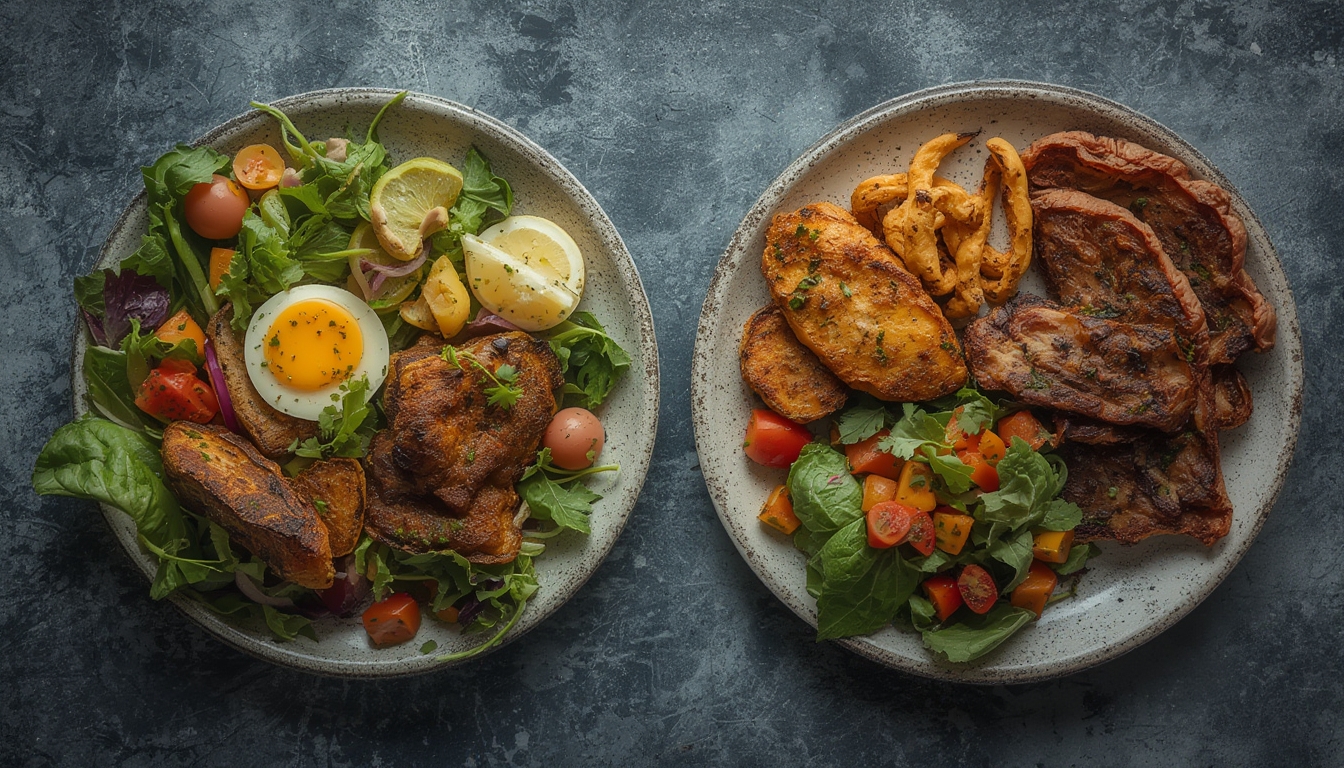
Embracing a plant‑forward and flexitarian lifestyle means filling your plate with a vibrant mix of vegetables, legumes, whole grains, and occasional animal‑based proteins. By growing many of these ingredients at home, you gain control over freshness, flavor, and nutrition while reducing your environmental footprint. Below is a data‑driven, step‑by‑step guide that walks you through planning a small garden, nurturing key crops, and turning the harvest into balanced, delicious plates that fit a flexitarian diet.
Why Choose Plant‑Forward & Flexitarian Plates?
Recent surveys show that 68 % of consumers are looking to reduce meat consumption without giving it up entirely. Plant‑forward meals provide the fiber, vitamins, and phytonutrients needed for optimal health, while flexitarian choices keep the diet flexible for social occasions and personal preferences. Studies link this eating pattern to lower risks of heart disease, type 2 diabetes, and certain cancers. The data also highlight that home‑grown produce can contain up to 30 % more antioxidants than store‑bought equivalents, thanks to shorter time from harvest to plate.
Step 1: Planning Your Garden
1.1 Choose the Right Space
- Measure the area: Aim for at least 4 sq ft per plant for leafy greens and 6 sq ft for beans.
- Sunlight: Select a spot that receives 6‑8 hours of direct sun daily; most vegetables need this for optimal photosynthesis.
- Soil testing: Use a home test kit to check pH (ideal 6.0‑6.8) and nutrient levels. Amend with compost if organic matter is below 3 %.
1.2 Pick High‑Yield, Versatile Crops
Data from the USDA shows that kale, spinach, snap peas, and chickpeas rank among the top crops for yield per square foot and nutritional density. These staples form the backbone of plant‑forward plates.
1.3 Create a Planting Calendar
Use regional frost dates to schedule sowing. For example, in USDA zones 6‑8, start seeds indoors 6 weeks before the last frost for tomatoes and peppers, and direct‑sow greens 2‑3 weeks before the frost date.
Step 2: Growing Nutrient‑Rich Greens
2.1 Seed Starting
- Soak seeds (kale, spinach) for 4 hours to accelerate germination.
- Plant ¼ inch deep in seed‑starting mix; keep the medium moist but not soggy.
- Maintain temperature at 65‑70 °F for fastest sprouting (typically 5‑7 days).
2.2 Transplanting and Spacing
When seedlings have 2–3 true leaves, transplant them to the garden, spacing kale 12‑18 inches apart and spinach 6‑8 inches apart. Use a row cover to protect against late frosts.
2.3 Feeding and Watering
- Apply a balanced organic fertilizer (10‑10‑10) at planting and again 4 weeks later.
- Water consistently: aim for 1‑1.5 inches per week; early morning watering reduces disease risk.
- Mulch with straw or shredded leaves to retain moisture and suppress weeds.
Step 3: Harvesting and Storing
3.1 Timing the Harvest
Leafy greens reach peak flavor when leaves are young and tender—usually 30‑45 days after planting. Snap peas are ready when pods are plump but before seeds fully develop (about 60 days after sowing).
3.2 Harvest Techniques
- Use clean, sharp scissors to cut leaves at the base, leaving the crown intact for regrowth.
- For beans, snap pods by hand to avoid damaging vines.
- Harvest in the cool of the morning to preserve crispness and nutrient content.
3.3 Storage Tips
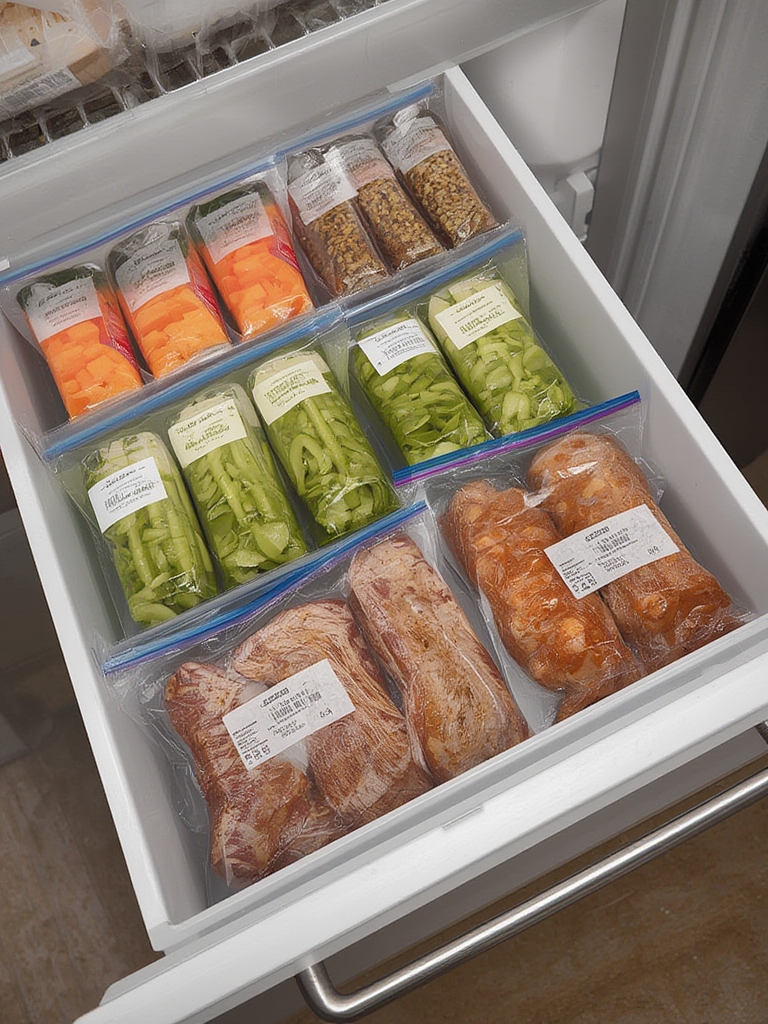
Wrap greens in a damp paper towel and store in a perforated bag in the refrigerator; they stay fresh up to 10 days. Snap peas can be blanched for 2 minutes, shocked in ice water, then frozen for up to 8 months.
Step 4: Building a Balanced Flexitarian Plate
4.1 The Plate Ratio
Follow the 2‑1‑1 rule: ½ of the plate is plant‑forward (vegetables and legumes), ¼ whole grains, and ¼ high‑quality protein (e.g., fish, poultry, or plant‑based alternatives). This ratio aligns with dietary guidelines and supports satiety.
4.2 Layering Flavors
- Start with a base of whole grains (quinoa, brown rice, farro) for texture and fiber.
- Add a colorful mix of roasted or raw vegetables—think kale sautéed with garlic, roasted carrots, and snap peas.
- Incorporate legumes (chickpeas, lentils) for protein and earthiness.
- Finish with a modest portion of animal protein (grilled salmon, chicken breast) or a plant‑based option (tofu, tempeh) if desired.
4.3 Simple Dressing Formula
Combine 3 parts extra‑virgin olive oil, 1 part lemon juice or vinegar, a pinch of sea salt, and fresh herbs (parsley, basil). Whisk for 30 seconds; the emulsion adds healthy fats and brightens the plate.
Step 5: Easy Recipes to Get Started
5.1 Kale‑And‑Quinoa Power Bowl
- Cook 1 cup quinoa in 2 cups water; fluff and let cool.
- Sauté 2 cups chopped kale with 1 tbsp olive oil and 2 minced garlic cloves until wilted.
- Mix quinoa, kale, ½ cup roasted chickpeas, and a handful of sliced almonds.
- Drizzle with the lemon‑herb dressing and sprinkle with feta (optional).
5.2 Snap‑Pea & Lentil Stir‑Fry
- Rinse 1 cup green lentils; simmer in 2½ cups broth for 20 minutes until tender.
- Heat 1 tbsp sesame oil in a wok; add 1 cup snap peas, 1 cup sliced carrots, and ½ cup sliced bell pepper. Stir‑fry 4 minutes.
- Add cooked lentils, 2 tbsp soy sauce, and 1 tsp grated ginger; toss for 2 minutes.
- Serve over ½ cup brown rice; garnish with chopped cilantro.
5.3 Flexitarian Mediterranean Plate
- Grill 4 oz chicken breast seasoned with oregano, lemon zest, and pepper.
- Arrange on a plate with a bed of mixed greens (spinach, arugula), ¼ cup cooked farro, ¼ cup roasted red peppers, and ¼ cup hummus.
- Finish with a drizzle of olive oil and a squeeze of lemon.
Maintaining Momentum
Track your harvest and meals in a simple spreadsheet: log planting dates, yields, and the plates you create. Over time you’ll see which crops provide the most volume and which recipes you enjoy most. Adjust your garden layout and menu accordingly to keep the plant‑forward approach fresh and sustainable.
By following these data‑backed steps—from garden planning to plate assembly—you’ll cultivate a reliable source of nutrient‑dense foods and enjoy the flexibility of a flexitarian diet. The result is a vibrant, health‑supporting lifestyle that’s as rewarding to grow as it is to eat.