
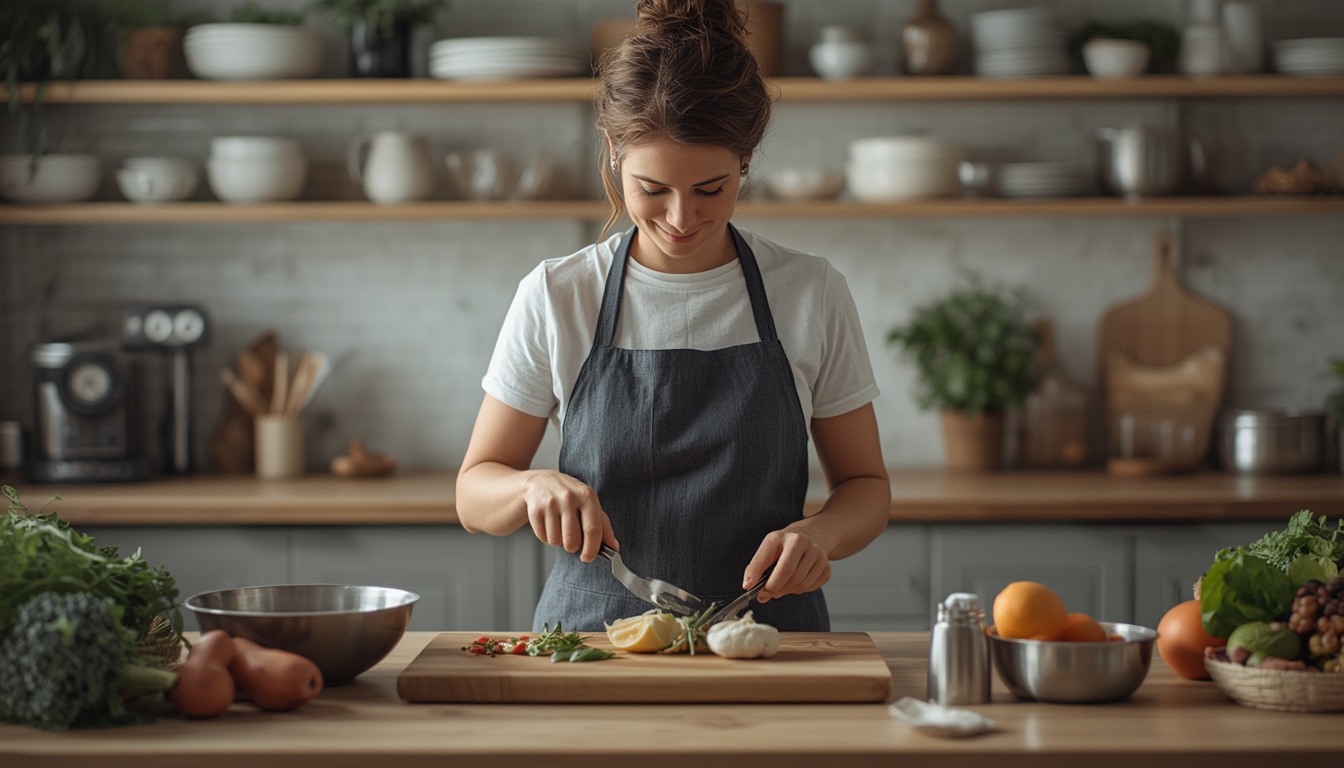

When you combine the art of cooking with the science of functional nutrition, every meal becomes an opportunity to nourish, heal, and thrive. Growing your own nutrient‑dense plants right in the kitchen or on a balcony not only guarantees freshness but also lets you tailor flavors to your health goals. Below is a step‑by‑step guide that walks you through selecting a versatile plant, cultivating it with minimal fuss, and turning the harvest into delicious, functional dishes that support immunity, gut health, and energy balance.
Choosing the Right Functional Ingredient
Selecting a Versatile Plant
For a beginner-friendly yet powerful addition to any healthy kitchen, leafy basil (Ocimum basilicum) shines. Basil is rich in antioxidants (e.g., rosmarinic acid), essential oils that aid digestion, and vitamin K for bone health. Its aromatic profile pairs effortlessly with salads, soups, smoothies, and even desserts, making it a functional staple.
Setting Up Your Kitchen Garden
Soil Preparation
- Choose a well‑draining potting mix: A blend of peat moss, perlite, and compost (2:1:1) provides aeration while retaining enough moisture for basil’s shallow roots.
- Enrich with organic matter: Mix in a tablespoon of worm castings per gallon of soil to boost microbial activity, which enhances nutrient uptake.
- Check pH: Aim for a slightly acidic to neutral range (6.0‑7.0). Use a simple garden pH test kit and adjust with lime (to raise) or sulfur (to lower) if needed.
Planting
- Seed or transplant: If starting from seed, sow ¼‑inch deep, spacing seeds 2 inches apart. Lightly cover and keep the surface moist. For seedlings, plant them at the same depth they were in their original container.
- Provide light: Basil thrives in 6‑8 hours of direct sunlight. Place the pot on a sunny windowsill or under a grow light set to 5000 K.
- Temperature control: Maintain daytime temperatures between 70‑80°F (21‑27°C). Avoid drafts that can cause leaf drop.
Watering
Consistent moisture is key, but overwatering leads to root rot. Water when the top inch of soil feels dry to the touch. Use a watering can with a fine spout to apply water evenly, allowing excess to drain from the pot’s holes. A quick tip: place a saucer under the pot and empty it after 15 minutes to prevent standing water.
Harvesting for Maximum Nutrient Retention
Timing
Begin harvesting once the plant reaches 6‑8 inches tall. Pinch off the top set of leaves just above a node (where a leaf meets the stem). This encourages bushier growth and prevents the plant from flowering too early, which can make leaves bitter.
Cleaning and Storing
- Gentle rinse: Submerge leaves in a bowl of cold water, swish gently, and pat dry with a paper towel or salad spinner.
- Short‑term storage: Wrap leaves loosely in a damp paper towel and place them in a zip‑top bag in the refrigerator’s crisper drawer. Use within 5‑7 days for peak flavor.
- Freezing for later use: Blanch leaves in boiling water for 10 seconds, shock in ice water, dry, and freeze in airtight bags. This retains most antioxidants for up to 6 months.
Transforming Fresh Harvest into Functional Meals
Quick Prep Techniques
To preserve heat‑sensitive nutrients, add basil at the end of cooking. For raw applications, toss whole leaves into salads or blend them into smoothies. When making sauces, blend basil with olive oil, lemon juice, and a pinch of sea salt for a heart‑healthy pesto that’s rich in monounsaturated fats.
Recipe Ideas
- Gut‑Friendly Basil‑Lemon Quinoa Salad: Cook quinoa, let it cool, then mix with chopped basil, diced cucumber, grated carrot, and a dressing of lemon juice, apple cider vinegar, and a drizzle of extra‑virgin olive oil. The combination of fiber, probiotics from lemon, and anti‑inflammatory basil supports digestion.
- Immune‑Boosting Tomato‑Basil Soup: Sauté onions and garlic in olive oil, add canned tomatoes, vegetable broth, and a handful of fresh basil. Simmer 15 minutes, then blend. Finish with a splash of coconut milk for added medium‑chain triglycerides that fuel the brain.
- Energy‑Balancing Basil Green Smoothie: Blend spinach, frozen mango, a handful of basil, Greek yogurt, and a teaspoon of chia seeds. The basil adds antioxidants while the yogurt supplies protein and probiotics for sustained energy.
Maintaining Consistency and Longevity
Seasonal Care
As daylight shortens, move the pot to a brighter spot or supplement with a grow light to prevent the plant from bolting. Reduce watering slightly in cooler months, but never let the soil completely dry out.
Pruning and Re‑planting
Regularly prune any yellowing leaves to improve air circulation and reduce disease risk. If the plant becomes root‑bound (roots circling the pot), gently loosen the soil and repot into a container 2‑3 inches larger, refreshing the soil mix.
Integrating Into a Routine
Set a weekly “harvest hour” where you trim basil, wash the leaves, and prep a batch of pesto or a salad. This habit not only ensures you always have fresh functional ingredients on hand but also reinforces a mindful cooking practice that supports long‑term health goals.
By growing basil—or any functional herb—right in your kitchen, you close the loop between farm and table, guaranteeing that every bite is packed with the nutrients your body needs. Follow these steps, experiment with flavor pairings, and watch your meals transform from ordinary to truly functional, supporting immunity, digestion, and overall vitality with each delicious forkful.