
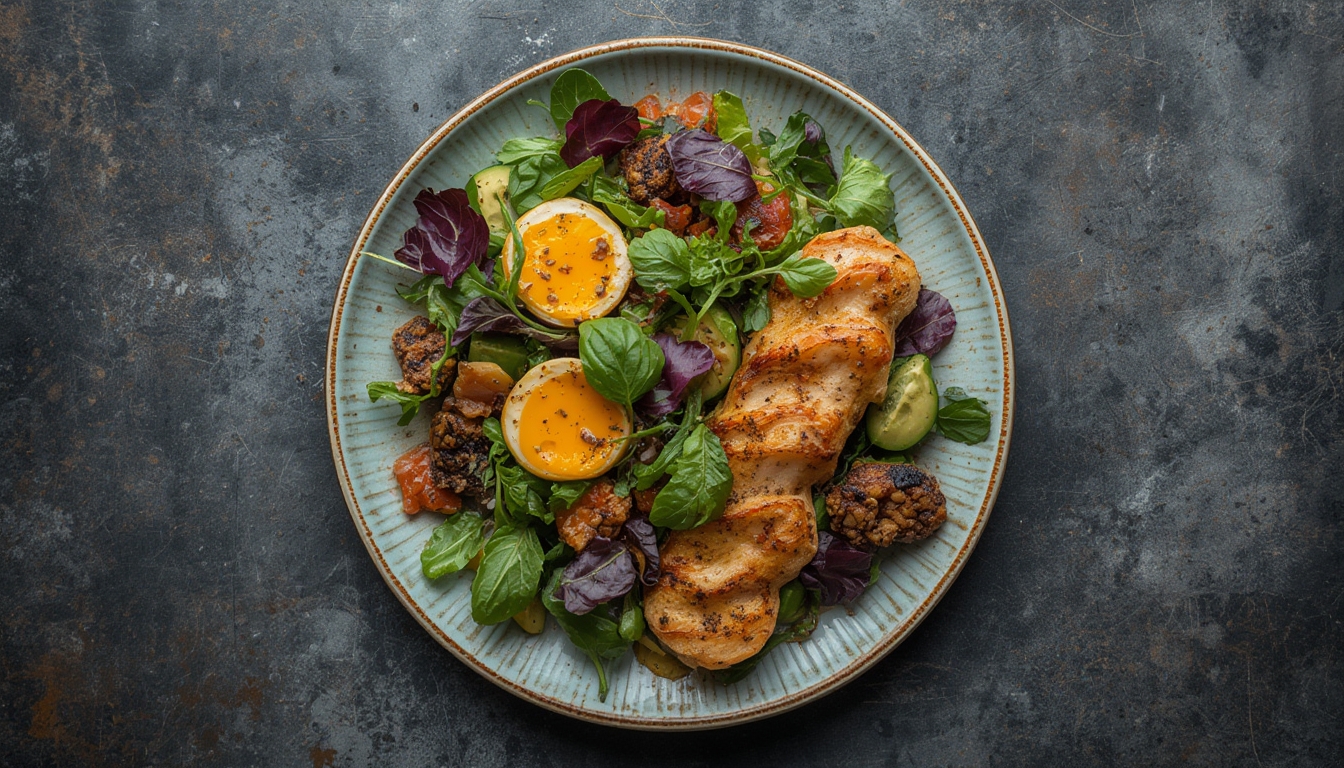

Adopting a plant‑forward and flexitarian approach doesn’t mean you have to give up the flavors you love. By focusing on nutrient‑dense vegetables, legumes, whole grains, and occasional animal proteins, you can create plates that are both satisfying and sustainable. Below is a data‑driven, step‑by‑step guide that walks you through sourcing, preparing, and plating plant‑forward meals that fit a flexitarian lifestyle. Each step includes practical tips and small actions you can take today to ensure success.
Step 1: Choose Seasonal, High‑Nutrient Produce
Seasonality is a powerful predictor of flavor and nutritional content. Studies show that vegetables harvested at peak ripeness contain up to 30 % more vitamins and antioxidants than those picked early. Use a local farmers’ market calendar or a seasonal produce guide to plan your weekly shopping list.
Actionable Tips
- Check the harvest calendar: Identify three to five vegetables that are in season this month (e.g., kale, carrots, Brussels sprouts).
- Buy in bulk, freeze for later: If a vegetable is at its peak, purchase extra and flash‑freeze it in portion‑size bags to retain nutrients.
- Inspect for freshness: Look for firm stems, vibrant color, and no signs of wilting or bruising.
Step 2: Build a Balanced Plant‑Forward Base
A solid base combines complex carbs, protein, and fiber. Data from the Harvard T.H. Chan School of Public Health indicates that meals with a 1:1:1 ratio of whole grains, legumes, and vegetables lead to better satiety and blood‑sugar stability.
Actionable Tips
- Pick a whole grain: Quinoa, farro, or brown rice work well. Cook a batch (2 cups dry) and store in the fridge for up to five days.
- Add a legume: Cook lentils, chickpeas, or black beans (1 cup dry yields ~2‑3 cups cooked). Rinse canned beans to reduce sodium.
- Include a vegetable mix: Roast a tray of mixed root vegetables (carrots, beets, sweet potatoes) with a drizzle of olive oil and a pinch of sea salt.
Step 3: Incorporate Flexitarian Protein Options
Flexitarian meals benefit from occasional animal protein, which can boost iron and B‑12 intake. Research from the Journal of Nutrition suggests that a weekly inclusion of 2‑3 servings of fish, poultry, or eggs improves nutrient diversity without compromising plant‑forward goals.
Actionable Tips
- Fish: Choose wild‑caught salmon or sardines for omega‑3s. Grill a 4‑oz fillet and flake it over your grain‑legume base.
- Poultry: Roast a skinless chicken thigh with herbs; slice thinly and add to salads.
- Eggs: Soft‑boil two eggs, peel, and quarter them for a quick protein boost.
Step 4: Layer Flavors with Herbs, Spices, and Healthy Fats
Flavor layering is key to making plant‑forward plates exciting. A 2022 meta‑analysis found that dishes seasoned with a variety of herbs and spices have higher consumer satisfaction scores, even when the primary ingredients are vegetables.
Actionable Tips
- Fresh herbs: Chop cilantro, parsley, or basil just before serving to preserve aroma.
- Spice blends: Toast cumin, smoked paprika, or turmeric in a dry pan for 30 seconds to unlock depth.
- Healthy fats: Drizzle 1 tbsp of extra‑virgin olive oil or a spoonful of avocado puree over the finished plate.
Step 5: Optimize Cooking Methods for Nutrient Retention
Cooking technique influences both texture and nutrient preservation. Data from the USDA indicates that steaming vegetables retains up to 90 % of water‑soluble vitamins, while roasting enhances flavor through caramelization without excessive nutrient loss.
Actionable Tips
- Steam greens: Place kale or spinach in a steamer basket for 3‑4 minutes; immediately shock in ice water to preserve color.
- Roast root veg: Toss diced carrots, beets, and parsnips with 1 tsp oil, spread on a sheet pan, and roast at 425 °F for 20‑25 minutes.
- Sauté legumes: Heat a splash of oil, add cooked beans, and stir‑fry with garlic for 2‑3 minutes to add a nutty crust.
Step 6: Assemble the Plate for Visual Appeal
Visual cues affect perceived taste. A 2019 study in Appetite showed that plates with varied colors and textures receive higher taste ratings. Aim for a color‑balanced plate: greens, reds/oranges, and a neutral grain base.
Actionable Tips
- Start with the grain: Spoon a quarter‑cup of quinoa in the center of the plate.
- Add protein: Arrange a portion of lentils or fish on one side.
- Layer vegetables: Fan out roasted carrots, steamed kale, and raw cherry tomatoes for contrast.
- Finish with garnish: Sprinkle toasted pumpkin seeds and a squeeze of lemon juice.
Step 7: Store Leftovers Safely and Efficiently
Proper storage extends the life of your plant‑forward meals and reduces waste. According to the Food Safety Authority, cooling cooked food to below 40 °F within two hours minimizes bacterial growth.
Actionable Tips
- Cool quickly: Divide large batches into shallow containers before refrigerating.
- Label dates: Write the preparation date on each container; aim to consume within 3‑4 days.
- Reheat safely: Heat leftovers to an internal temperature of 165 °F; a microwave on high for 2‑3 minutes works for most plates.
Step 8: Track Your Progress and Adjust
Data‑driven eating means monitoring how you feel and tweaking the recipe accordingly. Keep a simple log of energy levels, satiety, and any digestive feedback after each meal.
Actionable Tips
- Use a notebook or app: Record the main components of each plate and rate satisfaction on a 1‑5 scale.
- Identify patterns: If you notice low energy after meals high in raw cruciferous veg, try steaming them more.
- Iterate monthly: Adjust spice blends, protein portions, or grain types based on your log insights.
By following these eight steps, you can confidently create plant‑forward and flexitarian plates that are nutritionally balanced, flavorful, and visually appealing. The combination of seasonal produce, balanced macronutrients, thoughtful seasoning, and mindful preparation ensures each meal supports both your health goals and a more sustainable food system.