
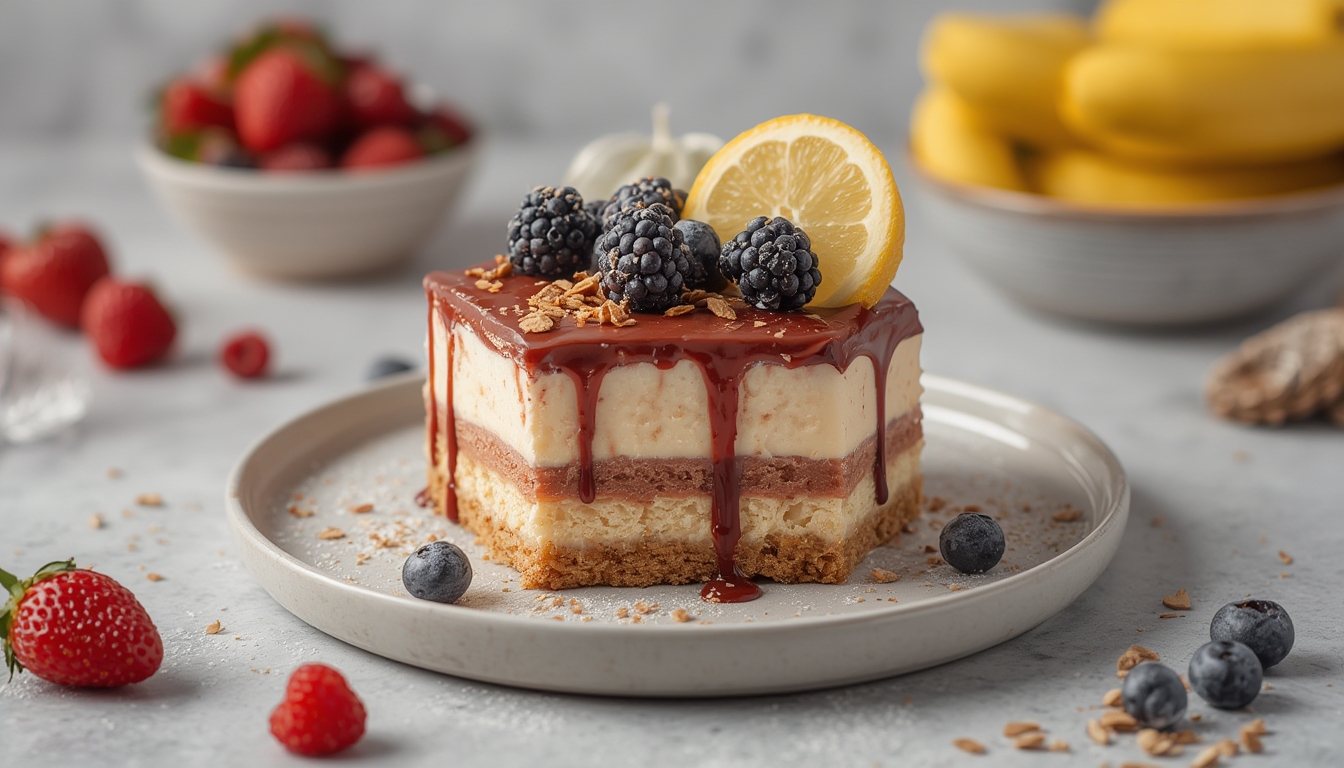
Modern desserts have moved far beyond the classic cake and pie, embracing scientific techniques, unexpected flavor pairings, and playful presentations. Whether you’re a home baker eager to experiment or a culinary professional looking to add a contemporary twist to your menu, this guide walks you through the most exciting sweet experiments, complete with step‑by‑step instructions and practical tips that guarantee delicious, Instagram‑worthy results.
1. Understanding the Foundations of Modern Sweet Chemistry
Why Science Matters
Modern desserts rely on the precise manipulation of ingredients at a molecular level. Techniques such as spherification, foaming, and gelification transform textures, turning liquids into pearls or airy clouds. Grasping the role of each component—starch, gelatin, agar‑agar, emulsifiers—helps you predict outcomes and troubleshoot quickly.
Essential Tools and Ingredients
- Precision Scale: Measure ingredients to the gram for consistent results.
- Immersion Blender: Ideal for creating smooth foams and emulsions.
- Syringe or Dropper: Crucial for controlled spherification.
- Calcium Lactate & Sodium Alginate: Core agents for creating caviar‑like pearls.
- Agar‑Agar: A vegetarian alternative to gelatin that sets at room temperature.
2. Experiment #1: Fruit Caviar – Spherified Berries
Ingredients
- 200 ml fresh fruit purée (e.g., raspberry, mango)
- 2 g calcium lactate
- 2 g sodium alginate
- 500 ml distilled water (for the bath)
- Pinch of fine sea salt
Step‑by‑Step Process
- Prepare the Fruit Base: Blend the fruit until smooth, then strain to remove seeds. Add the calcium lactate and whisk until fully dissolved. Tip: Warm the purée slightly (no more than 40 °C) to aid dissolution.
- Create the Alginate Bath: In a separate bowl, dissolve sodium alginate in 500 ml distilled water using a hand blender. Let it rest for 15 minutes to eliminate air bubbles. Tip: Use a vacuum chamber or let the mixture sit uncovered to release trapped air.
- Spherify: Using a syringe, gently drop the calcium‑infused fruit purée into the alginate bath. The droplets will form a gelled sphere within seconds.
- Rinse and Serve: Transfer the spheres to a bowl of clean water for 30 seconds, then pat dry with a paper towel. Sprinkle a pinch of sea salt before plating to enhance flavor contrast.
Practical Advice
Maintain the bath temperature between 20‑25 °C; colder temperatures slow gel formation, while warmer temperatures cause premature setting. If spheres are too soft, increase the alginate concentration by 0.2 g.
3. Experiment #2: Airy Citrus Foam
Ingredients
- 120 ml freshly squeezed orange juice
- 30 ml lemon juice
- 20 g powdered sugar
- 2 g soy lecithin (or 1 g xanthan gum for a thicker foam)
- Ice bath (optional)
Step‑by‑Step Process
- Combine Liquids: Mix orange juice, lemon juice, and powdered sugar in a shallow bowl. Ensure the sugar is fully dissolved.
- Add Emulsifier: Sprinkle soy lecithin over the mixture and whisk gently to avoid creating bubbles prematurely.
- Whip the Foam: Using an immersion blender, blend on high for 30 seconds. Watch as a stable foam rises to the surface.
- Stabilize (Optional): For a firmer foam, place the bowl in an ice bath for 2 minutes while continuing to blend gently.
- Plate: Spoon the foam over a plated dessert—think a dark chocolate mousse or a caramel tart—to add a bright, airy contrast.
Practical Advice
Do not over‑blend; excessive agitation breaks down the foam structure. If the foam collapses quickly, increase lecithin by 0.5 g or reduce the liquid volume slightly.
4. Experiment #3: Deconstructed Tiramisu Parfait
Components
- Mascarpone Mousse: 200 g mascarpone, 50 ml heavy cream, 20 g powdered sugar, 1 tsp vanilla extract.
- Espresso Gelée: 150 ml strong espresso, 2 g agar‑agar, 10 g sugar.
- Ladyfinger Crumble: 4 ladyfingers, 10 g melted butter, pinch of cocoa powder.
- Cocoa Dust: Unsweetened cocoa powder for garnish.
Step‑by‑Step Process
- Mascarpone Mousse: Whip heavy cream to soft peaks, then fold in mascarpone, sugar, and vanilla. Chill for 20 minutes.
- Espresso Gelée: Bring espresso and sugar to a boil, add agar‑agar, and simmer for 2 minutes. Pour into a shallow tray, cool to room temperature, then refrigerate until set (≈30 minutes). Cut into small cubes.
- Ladyfinger Crumble: Pulse ladyfingers in a food processor, mix with melted butter and cocoa, then toast on a baking sheet at 180 °C for 5 minutes.
- Assembly: In a clear glass, layer mousse, espresso gelée cubes, and ladyfinger crumble. Repeat until the glass is full, finishing with a dusting of cocoa.
Practical Advice
Agar‑agar sets at room temperature, so you can prepare the gelée ahead of time. Keep the mousse chilled until plating to maintain its airy texture.
5. Experiment #4: Nitro‑Frozen Berry Sorbet
Ingredients
- 250 g mixed berries (fresh or frozen)
- 80 ml simple syrup (1:1 sugar‑water)
- 15 ml lemon juice
- Liquid nitrogen (handle with gloves and eye protection)
Step‑by‑Step Process
- Blend Base: Puree berries with simple syrup and lemon juice until smooth. Strain for a silky texture.
- Freeze with Nitrogen: Place the purée in a stainless steel bowl. Slowly pour liquid nitrogen while stirring continuously with a metal spatula. The mixture will freeze instantly, forming a light, airy sorbet.
- Serve Immediately: Scoop into chilled bowls. The rapid freeze prevents large ice crystals, delivering a melt‑in‑your‑mouth experience.
Practical Advice
Never add liquid nitrogen directly to the mouth—always let the sorbet sit for a few seconds after stirring to ensure the nitrogen has fully evaporated. Work in a well‑ventilated area to avoid nitrogen buildup.
6. Bringing It All Together: Plating and Presentation
Color Coordination
Use contrasting hues—deep chocolate, bright citrus, and vivid berry—to create visual intrigue. A simple white plate acts as a canvas, allowing each element to stand out.
Texture Balance
Combine at least three textures: a crisp crumble, a silky mousse, and a pop‑of‑burst sphere. This multi‑sensory approach keeps diners engaged from first bite to last.
Final Touches
- Micro‑herbs (e.g., mint or basil) add a fresh aroma.
- Edible gold leaf or powdered sugar dusting offers a luxe finish.
- Serve with a complementary beverage—think a chilled sparkling rosé for fruit‑forward desserts or an espresso shot for chocolate‑rich plates.
By mastering these modern dessert techniques, you’ll be equipped to push the boundaries of flavor and texture in your kitchen. Each experiment is designed to be reproducible, with clear steps and actionable tips that ensure success whether you’re working in a home kitchen or a professional studio. Happy experimenting!