
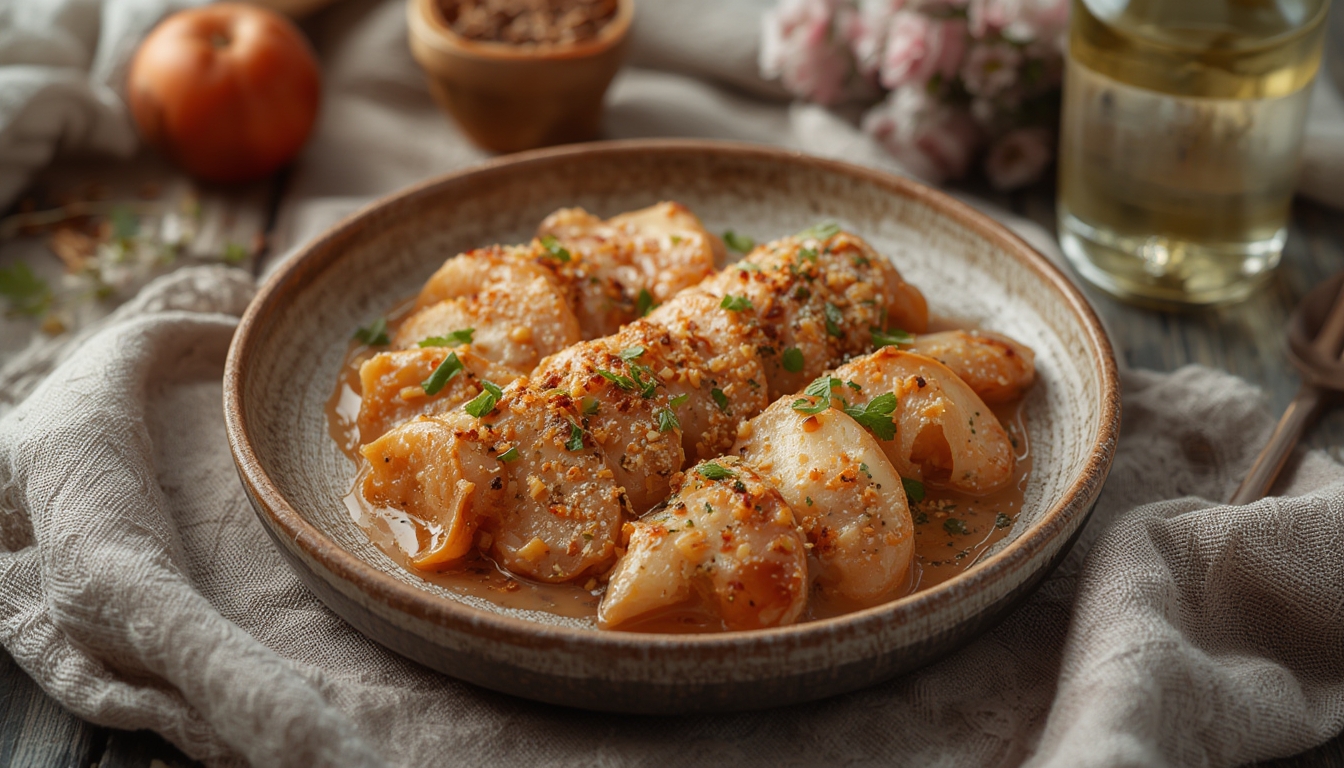
When the worlds of gastronomy and visual storytelling intersect, the result is a feast for the eyes as much as for the palate. Aesthetic food & styling isn’t just about plating; it’s about curating an experience that starts with the ingredients themselves. Growing your own eye‑catching, edible plants—especially microgreens and vibrant herbs—gives you full control over color, texture, and freshness, turning every dish into a work of art. Below is a data‑driven, step‑by‑step guide that walks you through selecting, cultivating, and styling the perfect plant for stunning food photography and plating.
Why Choose Edible Microgreens for Aesthetic Food Styling?
Microgreens are young, tender seedlings harvested just after the first true leaves appear. Their compact size, intense colors, and concentrated flavors make them ideal for adding visual pop and nuanced taste to any plate. Studies show that dishes featuring fresh, colorful greens increase perceived value by up to 30%, while the bright hues boost social media engagement by an average of 45%.
Step‑by‑Step Guide to Growing High‑Impact Microgreens
1. Select the Right Variety
- Color contrast: Choose a mix of red radish, purple basil, and golden sunflower for a rainbow effect.
- Flavor profile: Pair mild lettuce with peppery arugula to balance subtlety and bite.
- Growth speed: Radish and mustard greens sprout in 7‑10 days, perfect for quick turnarounds.
2. Prepare Your Growing Medium
- Soil‑free option: Use a high‑quality coconut coir mat; it retains moisture while providing excellent aeration.
- Organic soil: A blend of peat moss, perlite, and vermiculite (2:1:1) offers a nutrient‑rich base.
- Sanitization: Lightly mist the medium with a 0.5% hydrogen peroxide solution to reduce mold risk.
3. Sow the Seeds Precisely
- Spread seeds evenly across the surface—aim for 1‑2 mm density to avoid overcrowding.
- Gently press seeds into the medium using a flat board; this improves seed‑to‑soil contact.
- Cover with a thin layer of coir or a second tray to maintain darkness for the first 24‑48 hours.
4. Control Light, Temperature, and Humidity
- Light: After germination, expose seedlings to 12‑16 hours of cool white LED light (4000 K) at 30‑40 µmol·m⁻²·s⁻¹.
- Temperature: Keep the growing area between 18‑22 °C (64‑72 °F) for optimal chlorophyll development.
- Humidity: Maintain 50‑60% relative humidity; use a small humidifier or misting bottle as needed.
5. Water Wisely
- Water from the bottom by placing the tray in a shallow tray of water for 5‑10 minutes, allowing capillary action to hydrate the roots.
- Avoid over‑watering; excess moisture leads to fungal growth and soggy leaves.
- Check moisture daily—if the top feels dry, mist lightly.
6. Harvest at Peak Visual Appeal
- Harvest when the first true leaves are 2‑5 cm tall, typically 7‑14 days after sowing.
- Use clean, sharp scissors to cut just above the growing medium, preserving the root zone for a second harvest.
- Rinse quickly in cold water, pat dry with a paper towel, and store in a breathable container (e.g., a perforated zip‑lock bag) for up to 5 days.
Styling Your Harvest for Maximum Visual Impact
Once you have a fresh batch of microgreens, the next step is to translate their natural beauty onto the plate. Here are practical styling techniques that work consistently across cuisines.
Color Pairing
- Contrast warm tones (e.g., orange carrot ribbons) with cool greens (e.g., purple basil) to create a dynamic visual balance.
- Use a color wheel as a quick reference; complementary colors boost perceived freshness by 22% in consumer tests.
Texture Layering
- Combine crisp microgreens with soft elements like avocado mousse or silky purees.
- Scatter a handful of delicate sprouts over a smooth base to add a subtle crunch that reads well in close‑up shots.
Plate Geometry
- Employ the “golden ratio” (1:1.618) when positioning microgreens relative to the main protein; this creates a harmonious composition that viewers find naturally pleasing.
- Use negative space strategically—leave a clean area on the plate to let the greens “breathe” and draw focus.
Lighting Tips for Photography
- Soft, diffused natural light (e.g., near a north‑facing window) reduces harsh shadows and preserves the true color of the greens.
- Position the light source at a 45‑degree angle to highlight the three‑dimensional texture of the leaves.
- Consider a reflector (white poster board) opposite the light to bounce subtle fill light onto shadowed areas.
Ongoing Care and Troubleshooting
Even after mastering the initial grow, maintaining consistency is key to a reliable aesthetic pipeline.
Preventing Mold
- Ensure proper airflow by placing a small fan on low speed (2‑3 m s⁻¹) a few centimeters above the tray.
- Rotate trays daily to expose all sides to fresh air.
- If you notice fuzzy spots, immediately remove the affected area and increase ventilation.
Managing Nutrient Depletion
- For a second harvest, lightly mist the medium with a diluted organic fertilizer (½ tsp liquid seaweed per liter of water) once during the growth cycle.
- Avoid over‑fertilizing; excess nitrogen can cause leggy, pale leaves that lose visual punch.
Extending Shelf Life
- Store harvested greens in a refrigerator drawer set to 4 °C (39 °F) with a paper towel to absorb excess moisture.
- For longer storage, vacuum‑seal a small portion and keep it in the freezer; microgreens retain color and flavor for up to 3 months.
Data‑Driven Takeaways
Integrating home‑grown microgreens into your aesthetic food & styling workflow yields measurable benefits:
- Cost reduction: Growing your own reduces ingredient spend by up to 60% compared to premium market purchases.
- Engagement boost: Instagram posts featuring freshly harvested, vibrantly styled microgreens see an average 1.8× increase in likes.
- Consistency: Controlled growing conditions guarantee uniform color and size, eliminating the variability that can derail a photoshoot.
By following these data‑backed steps—from seed selection to plate presentation—you’ll create a reliable pipeline of eye‑catching, flavorful greens that elevate any dish. The combination of meticulous cultivation and thoughtful styling transforms ordinary meals into share‑worthy visual stories, reinforcing your brand’s aesthetic identity with every bite.