
Welcome to a practical guide that transforms everyday cooking into a streamlined, enjoyable experience. Below you’ll find data‑driven kitchen hacks and smart cooking techniques that anyone can adopt, whether you’re a busy professional, a student, or a home‑chef looking to save time, reduce waste, and boost flavor.
Smart Meal Prep for Busy Schedules
1. Batch‑Cook Core Proteins
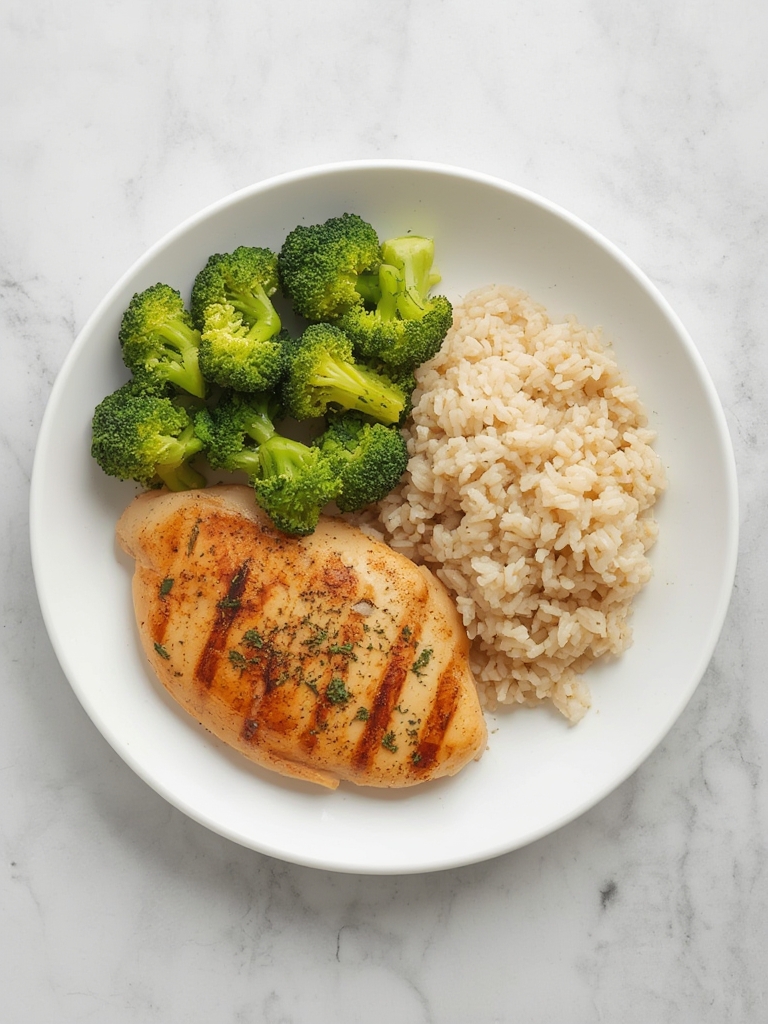
Choose versatile proteins—chicken breast, tofu, or lentils—and cook them in bulk. A single 30‑minute session on a sheet pan yields 4–6 servings. Store in airtight containers, label with the date, and use within three days. This reduces daily cooking time by up to 50 %.
2. Portion Out Grains and Legumes
Measure one cup of uncooked rice, quinoa, or beans, then rinse and cook according to package ratios. After cooling, divide into single‑serve bags and freeze. When needed, microwave for 90 seconds for a ready‑to‑eat base.
3. Pre‑Chop Vegetables
Invest in a quality mandoline or food processor. Spend 15 minutes slicing carrots, bell peppers, and onions. Store in water‑tight jars with a splash of lemon juice to prevent browning. This simple step cuts prep time for stir‑fries, salads, and soups by half.
Time‑Saving Kitchen Tools & Techniques
1. Use a Multi‑Function Pressure Cooker
Pressure cookers reduce cooking time by 70 % for beans, stews, and tough cuts of meat. Set the timer, walk away, and enjoy a tender dish without constant monitoring.
2. Embrace the “One‑Pot” Method
Combine protein, vegetables, and starch in a single pot or Dutch oven. The steam generated keeps everything moist, and cleanup is minimal. A typical one‑pot dinner takes under 40 minutes from start to finish.
3. Leverage a Handheld Immersion Blender
Blend soups, sauces, and dressings directly in the pot. This eliminates the need to transfer hot liquids to a traditional blender, reducing spills and cleaning time.
Flavor‑Boosting Hacks Without Extra Calories
1. Toast Spices Before Use
Heat whole spices in a dry skillet for 30‑seconds until fragrant. This releases essential oils, intensifying flavor without adding salt or fat.
2. Finish Dishes with Fresh Herbs
Chop parsley, cilantro, or basil just before serving. Fresh herbs add a bright note and can replace the need for extra seasoning.
3. Use Acid to Balance Richness
A squeeze of lemon juice or a splash of vinegar brightens heavy sauces. Add a teaspoon at the end of cooking and taste—often you’ll need less salt.
Energy‑Efficient Cooking Practices
1. Match Pot Size to Burner
Using a small pot on a large burner wastes heat. Align pot diameter with burner size to maximize energy transfer and shorten cooking times.
2. Keep Lids On
Covering pots retains heat, reducing cooking time by up to 20 %. This is especially effective for boiling pasta, simmering sauces, and steaming vegetables.
3. Pre‑Heat Smartly
Instead of pre‑heating the oven to a high temperature, start at a lower setting and increase after the food is inside. This conserves energy and prevents over‑cooking the exterior.
Organizing Your Workspace for Efficiency
1. Create a “Ready‑Set‑Go” Station
Designate a countertop area for knives, cutting boards, and measuring tools. Keep these items within arm’s reach so you never have to pause searching for a utensil.
2. Use Clear Storage Containers
Label containers with the contents and date. Transparent bins let you see at a glance what’s available, reducing duplicate purchases and food waste.
3. Implement a “Clean‑While‑You‑Cook” Routine
Wash used bowls and utensils as you finish each step. A sink filled with warm, soapy water makes this quick, and you’ll finish the meal with a tidy kitchen.
Quick Hacks for Everyday Cooking Challenges
1. Prevent Boiling Over
Place a wooden spoon across the top of a pot of water. The spoon disrupts bubbles, preventing the water from spilling over.
2. Revive Stale Bread
Sprinkle the crust with a few drops of water, then heat in a 350 °F (180 °C) oven for 5 minutes. The crust becomes crisp again without drying the interior.
3. Keep Herbs Fresh Longer
Trim the stems, place them in a jar with water, and loosely cover with a plastic bag. Store in the fridge; most herbs stay vibrant for up to two weeks.
Putting It All Together: A Sample Smart Cooking Workflow
- Sunday Prep: Cook a batch of quinoa, roast a tray of mixed vegetables, and grill chicken breasts. Store each component in separate containers.
- Mid‑Week Assembly: Combine quinoa, veggies, and chicken in a skillet. Add a splash of soy sauce, a pinch of toasted sesame seeds, and finish with fresh cilantro.
- Evening Finish: While the skillet heats, whisk a quick dressing of olive oil, lemon juice, and mustard. Drizzle over the dish for a burst of flavor.
By following these structured steps, you’ll experience a noticeable reduction in cooking time, lower energy consumption, and consistently flavorful meals. The key is consistency—once the habits become routine, smart cooking becomes second nature.