
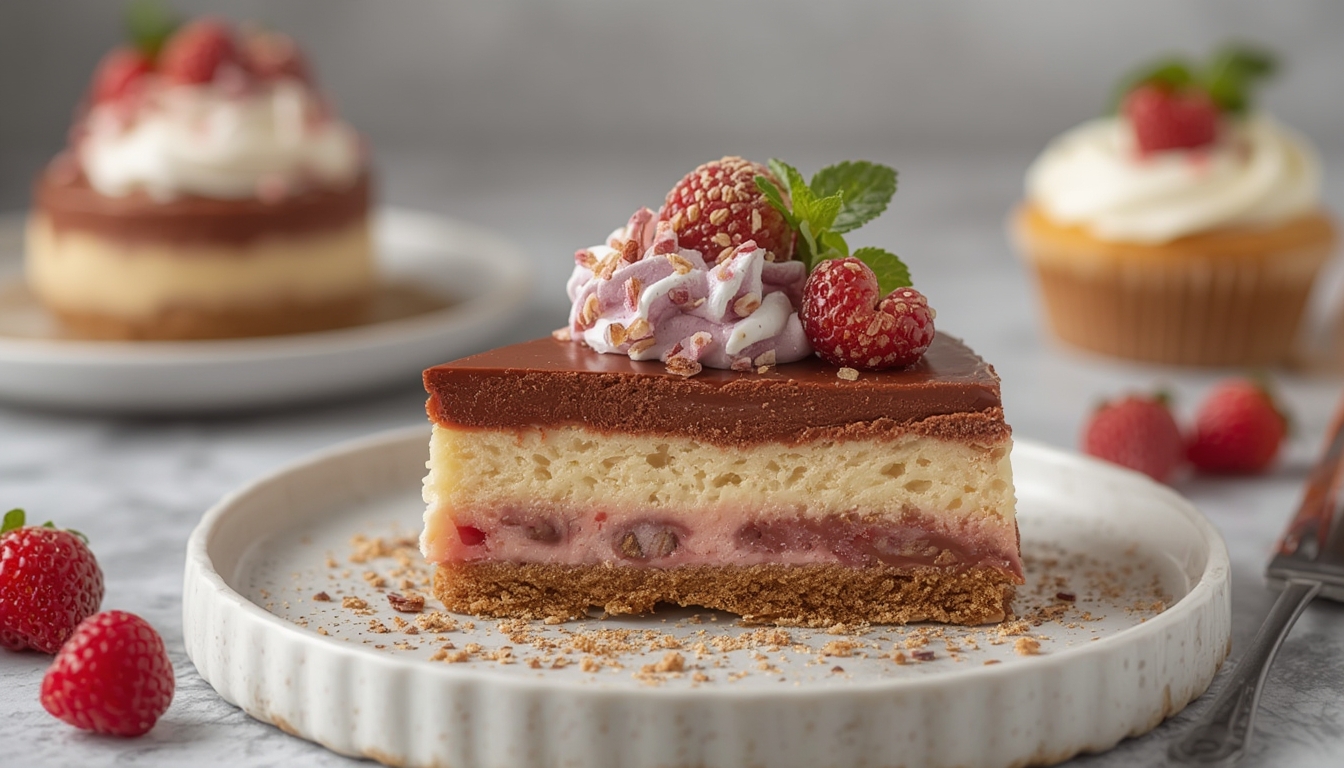
Modern desserts have moved far beyond the classic cake and pie, embracing scientific techniques, unexpected flavor combos, and eye‑catching presentations. Whether you’re a home baker looking to wow friends or a culinary enthusiast eager to experiment, this guide breaks down the process into clear, actionable steps. By the end, you’ll have a toolbox of modern dessert concepts you can try in your own kitchen, complete with practical tips to ensure each experiment succeeds.
Understanding the Foundations of Modern Sweet Experiments
Embrace Science, Not Just Sugar
Contemporary pastry chefs often borrow methods from chemistry and physics—think spherification, foams, and sous‑vide custards. These techniques rely on precise temperature control, accurate measurements, and the right stabilizers. Start by familiarizing yourself with a few key concepts:
- Gelatin vs. Agar‑agar: Gelatin sets at lower temperatures and yields a melt‑in‑your‑mouth texture, while agar‑agar creates a firmer, more stable gel that can hold up at room temperature.
- Emulsification: Combining fat and water (e.g., butter and citrus juice) creates smooth sauces and foams. An immersion blender or whisk is essential.
- Caramelization vs. Maillard: Caramelization is the browning of sugars, while Maillard involves proteins and sugars, both adding depth to flavors.
Choose a Signature Flavor Profile
Pick a base flavor (e.g., matcha, yuzu, or smoked chocolate) and build around it with complementary notes. Use the “flavor wheel” principle: pair sweet with salty, acidic, bitter, or umami elements to create balance. Write down your chosen profile before you start, so each step aligns with the final taste.
Essential Tools and Ingredients for Success
Equipment Checklist
- Digital kitchen scale (accuracy to 1 g)
- Thermometer (instant‑read for both candy and custard ranges)
- Immersion blender or hand‑held whisk
- Syringe or squeeze bottle (for precise plating)
- Silicone molds (various shapes for gels and foams)
- Vacuum sealer (optional, for sous‑vide infusions)
Core Ingredients
- High‑quality chocolate (70 % cocoa for bitterness, 45 % for sweetness)
- Fresh fruit purées (passion fruit, mango, or berries)
- Stabilizers: gelatin sheets, agar‑agar powder, xanthan gum
- Fats: unsalted butter, heavy cream, coconut oil
- Acids: lemon juice, yuzu, balsamic reduction
- Sweeteners: cane sugar, honey, maple syrup, or alternative like erythritol
Step‑by‑Step Sweet Experiments
1. Create a Flavor‑Infused Gel
Goal: A bright, bite‑size gel that bursts with your chosen flavor.
- Measure liquid: Combine 150 ml fruit purée with 20 ml water. Use a scale for consistency.
- Heat gently: Warm the mixture to 45 °C (113 °F). Avoid boiling to preserve fresh flavors.
- Add agar‑agar: Sprinkle 2 g agar‑agar over the surface, whisk until fully dissolved.
- Set the gel: Pour into silicone molds and chill for 15 minutes. For a firmer bite, increase agar‑agar to 2.5 g.
- Tip: If the gel is too soft after chilling, re‑heat, add 0.5 g more agar‑agar, and set again.
2. Make a Light Foam Using a Stabilizer
Goal: A airy foam that adds texture without overwhelming the palate.
- Prepare base: Mix 100 ml heavy cream with 30 ml flavored syrup (e.g., lavender‑honey).
- Stabilize: Dissolve 0.5 g soy lecithin in the mixture; let sit 5 minutes.
- Whisk: Use an immersion blender on low speed, moving the blade up and down for 30 seconds until soft peaks form.
- Serve immediately: Spoon onto desserts just before plating to retain volume.
- Tip: Keep the foam chilled; warm temperatures cause it to collapse faster.
3. Sous‑Vide Custard for Silky Smoothness
Goal: A custard with a flawless, velvety texture.
- Combine ingredients: Whisk 200 ml whole milk, 100 ml heavy cream, 3 egg yolks, and 50 g sugar.
- Temper the eggs: Slowly pour warm milk mixture into yolks while whisking to avoid curdling.
- Seal: Transfer to a vacuum‑seal bag, remove air, and seal tightly.
- Cook: Set sous‑vide circulator to 82 °C (180 °F) and cook for 45 minutes.
- Finish: Chill the custard, then whisk in a pinch of sea salt for depth.
- Tip: If the custard is too thick, blend with a splash of cold milk after cooking.
4. Caramelized Sugar Crumble
Goal: A crunchy, caramel‑laden topping that adds contrast.
- Heat sugar: In a heavy saucepan, melt 100 g granulated sugar over medium heat, swirling gently.
- Add butter: Once amber, whisk in 30 g unsalted butter until smooth.
- Cool and crumble: Spread the caramel on a silicone mat, let cool for 5 minutes, then break into shards.
- Tip: For a salty twist, sprinkle a pinch of flaky sea salt while the caramel is still warm.
Putting It All Together: A Sample Dessert Blueprint
Layered Modern Parfait
- Start with a base of agar‑agar fruit gel (2 cm thick) in a clear glass.
- Add a layer of sous‑vide vanilla custard, spreading evenly.
- Top with lavender‑honey foam, using a spoon to create a soft mound.
- Finish with a sprinkle of caramelized sugar crumble and a fresh berry for color.
- Serve chilled, allowing the foam to melt slightly for a dreamy texture.
Practical Tips for Consistent Results
Measure, Don’t Guess
Even a 5‑gram variance in gelatin or agar‑agar can change texture dramatically. Use a digital scale for every ingredient.
Temperature Is Key
Most modern techniques rely on specific temperature windows. Keep a thermometer handy and calibrate it regularly.
Work in Small Batches
When trying a new flavor combo, prepare a mini batch (e.g., 50 ml gel) first. This saves time and reduces waste if the pairing needs adjustment.
Document Your Process
Take notes on each experiment—ingredient ratios, temperatures, and timing. Over time, you’ll develop a personal “sweet science” handbook that speeds up future creations.
Final Thoughts
Modern desserts thrive on curiosity and precision. By mastering a handful of foundational techniques—gel formation, foaming, sous‑vide custard, and caramelization—you can transform simple ingredients into unforgettable sweet experiences. Remember to keep your measurements exact, respect temperature thresholds, and enjoy the iterative nature of experimentation. With these steps and tips, you’re ready to craft desserts that are as visually striking as they are delicious.