
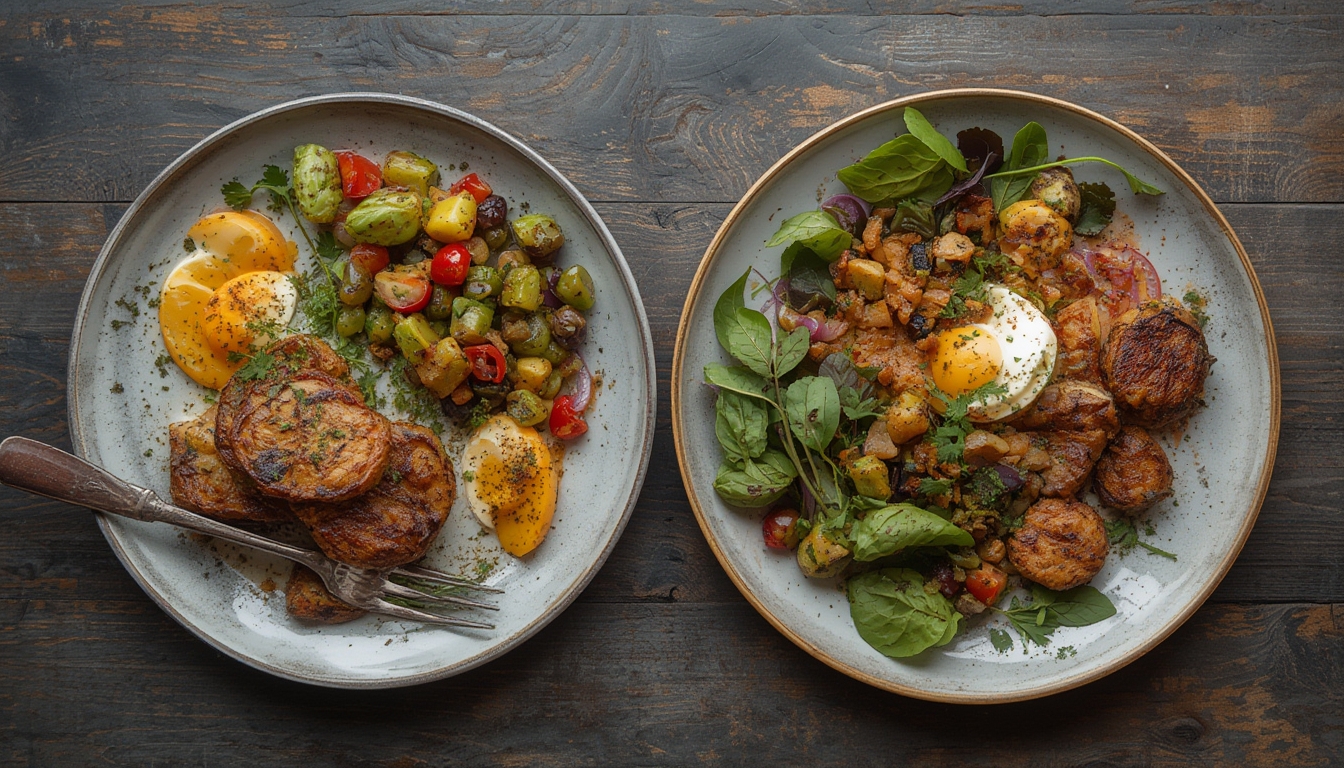

Adopting a plant‑forward and flexitarian approach doesn’t mean you have to overhaul your kitchen overnight. By strategically selecting versatile ingredients, mastering a few core cooking techniques, and even growing a handful of key crops at home, you can create plates that are colorful, nutritious, and satisfying for both meat‑eaters and vegetarians alike. Below is a step‑by‑step guide that blends data‑backed nutrition insights with practical gardening and cooking tips, so you can confidently build a repertoire of plant‑forward meals that fit any lifestyle.
1. Choose the Right Plant Staples
Research from the Harvard T.H. Chan School of Public Health shows that meals built around legumes, whole grains, and cruciferous vegetables can reduce cardiovascular risk by up to 30 %. Start by stocking these three categories:
Legumes (beans, lentils, chickpeas)
- Why they matter: High in protein (15‑25 g per cup cooked) and fiber (8‑12 g per cup), they keep you full longer.
- Actionable tip: Keep a 1‑kg bag of dried beans on hand; they’re cheaper and have a longer shelf life than canned varieties.
Whole Grains (quinoa, farro, brown rice)
- Why they matter: Provide complex carbs and micronutrients like magnesium and B‑vitamins.
- Actionable tip: Rinse grains before cooking to remove excess phytic acid, which can inhibit mineral absorption.
Cruciferous Veggies (broccoli, kale, Brussels sprouts)
- Why they matter: Rich in glucosinolates, compounds linked to cancer‑preventive effects.
- Actionable tip: Lightly steam for 3‑5 minutes to retain both texture and nutrients.
2. Grow Your Own Core Ingredients
Even a small balcony or windowsill can supply fresh herbs and micro‑greens that elevate any plate. Below are low‑maintenance crops with high yield per square foot.
Step 1 – Select Containers
Use 10‑liter (2‑gallon) pots with drainage holes. For vertical growers, a tiered shoe rack works well and saves floor space.
Step 2 – Soil Mix
Combine 40 % peat‑based potting mix, 30 % coconut coir, and 30 % perlite. This blend provides aeration, moisture retention, and a neutral pH (6.5‑7.0) ideal for most herbs.
Step 3 – Planting Calendar
| Crop | Seed‑to‑Harvest (days) | Ideal Planting Window |
|---|---|---|
| Basil | 45‑60 | Early spring to early fall |
| Micro‑greens (radish, mustard) | 7‑14 | Year‑round (indoor) |
| Cherry tomatoes | 60‑80 | Late spring after frost |
Step 4 – Watering Routine
Check the top inch of soil daily; water only when it feels dry to the touch. Over‑watering reduces flavor and can cause root rot.
Step 5 – Harvest Technique
Snip leaves just above a node to encourage bushier growth. For micro‑greens, cut just above the soil line when the first true leaves appear.
3. Build a Flexible Plate Framework
Data from the Flexitarian Diet Study (2022) indicates that a typical flexitarian plate consists of 50 % vegetables, 25 % whole grains, 15 % plant protein, and 10 % animal protein (optional). Use this ratio as a visual guide when plating.
Step 1 – Base Layer: Whole Grains
Cook grains in low‑sodium broth for added flavor. For a one‑cup serving, use ½ cup dry grain and 1 cup liquid; bring to a boil, then simmer covered for the time indicated on the package.
Step 2 – Protein Boost: Legumes or Tofu
Rinse canned beans under cold water to remove excess sodium. If using tofu, press it for 15 minutes, then marinate in soy‑ginger sauce (1 Tbsp soy, 1 tsp ginger, ½ tsp sesame oil) before pan‑searing.
Step 3 – Veggie Variety: Roasted & Fresh
Roast a mix of cruciferous veggies at 200 °C (400 °F) for 20‑25 minutes with 1 tsp olive oil, salt, and pepper. Add a handful of fresh herbs (basil, cilantro) right before serving for a bright finish.
Step 4 – Optional Animal Element
If you include animal protein, keep portions to ≤ 3 oz (≈ 85 g). Grilled chicken breast, a poached egg, or a small piece of smoked salmon add texture without overwhelming the plant focus.
Step 5 – Finish with Healthy Fats
Drizzle 1 Tbsp of extra‑virgin olive oil or a spoonful of avocado puree. This not only improves mouthfeel but also aids absorption of fat‑soluble vitamins (A, D, E, K).
4. Practical Cooking Techniques for Maximum Flavor
Even simple ingredients can become gourmet with the right technique. Below are three methods that preserve nutrients and enhance taste.
Technique A – Quick Sauté
Heat a non‑stick pan over medium‑high heat, add ½ tsp oil, then toss in chopped garlic and sliced vegetables. Cook for 2‑3 minutes, stirring constantly. This method locks in crunch and prevents over‑cooking.
Technique B – One‑Pot Braise
Combine legumes, grains, broth, and aromatics (bay leaf, thyme) in a heavy pot. Bring to a simmer, cover, and cook on low for 30‑40 minutes. The result is a cohesive, flavor‑infused base that requires minimal cleanup.
Technique C – Flash Freeze for Convenience
Spread blanched greens (e.g., spinach) on a baking sheet, freeze for 1 hour, then transfer to zip‑top bags. This preserves color and nutrients, letting you add greens directly to soups or smoothies without thawing.
5. Track Your Progress with Simple Data
Keeping a quick log helps you refine your plant‑forward routine. Use a spreadsheet or a phone note with these columns:
- Date – When you prepared the meal.
- Plate Ratio – Approximate % of vegetables, grains, protein.
- Home‑grown Ingredient – Note any herbs or micro‑greens used.
- Rating (1‑5) – Subjective taste and satisfaction score.
After a month, calculate the average rating. If it falls below 3.5, identify which component (e.g., flavor balance, texture) needs adjustment and experiment with a new herb or cooking method.
6. Quick 5‑Day Meal Plan Example
Here’s a ready‑to‑use template that follows the 50‑25‑15‑10 rule and incorporates home‑grown basil and micro‑greens.
- Monday: Quinoa bowl with roasted broccoli, chickpeas, and a poached egg; drizzle olive oil.
- Tuesday: Farro salad with cherry tomatoes, basil‑pesto tofu cubes, and mixed micro‑greens.
- Wednesday: Brown‑rice stir‑fry with kale, lentils, and a splash of low‑sodium soy sauce.
- Thursday: Whole‑wheat pasta tossed with sautéed spinach, garlic, and grilled chicken strips.
- Friday: Barley soup loaded with carrots, cauliflower, and a handful of fresh cilantro.
Each meal can be prepared in under 30 minutes, and leftovers store well for lunch the next day, reinforcing consistency without extra effort.
7. Troubleshooting Common Issues
Problem: Bitter Greens
Solution: Blanch greens in boiling water for 30 seconds, then shock in ice water. This reduces bitterness while preserving color.
Problem: Legumes Too Hard
Solution: Soak dried beans for at least 8 hours, then add a pinch of baking soda to the cooking water to soften them faster.
Problem: Overcrowded Plate
Solution: Use a “stacked” visual: place grains at the bottom, protein in the middle, and vegetables on top. This creates a clean, organized look and helps control portion sizes.
Conclusion
Transitioning to plant‑forward and flexitarian plates is a manageable, data‑supported journey. By selecting nutrient‑dense staples, growing a few key herbs, applying simple cooking techniques, and tracking your meals, you’ll enjoy flavorful dishes that support health and sustainability. Start small—pick one new legume or herb this week—and watch your confidence (and your plate) grow.