
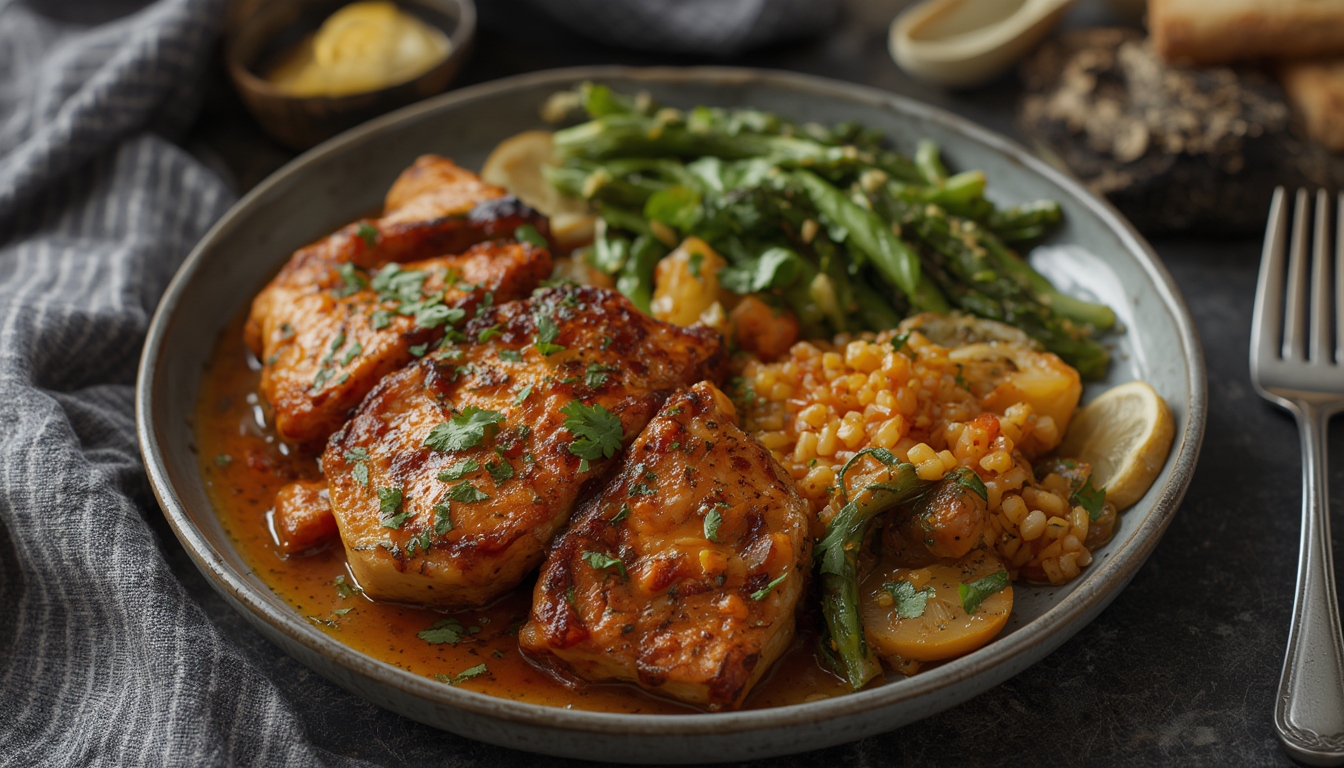
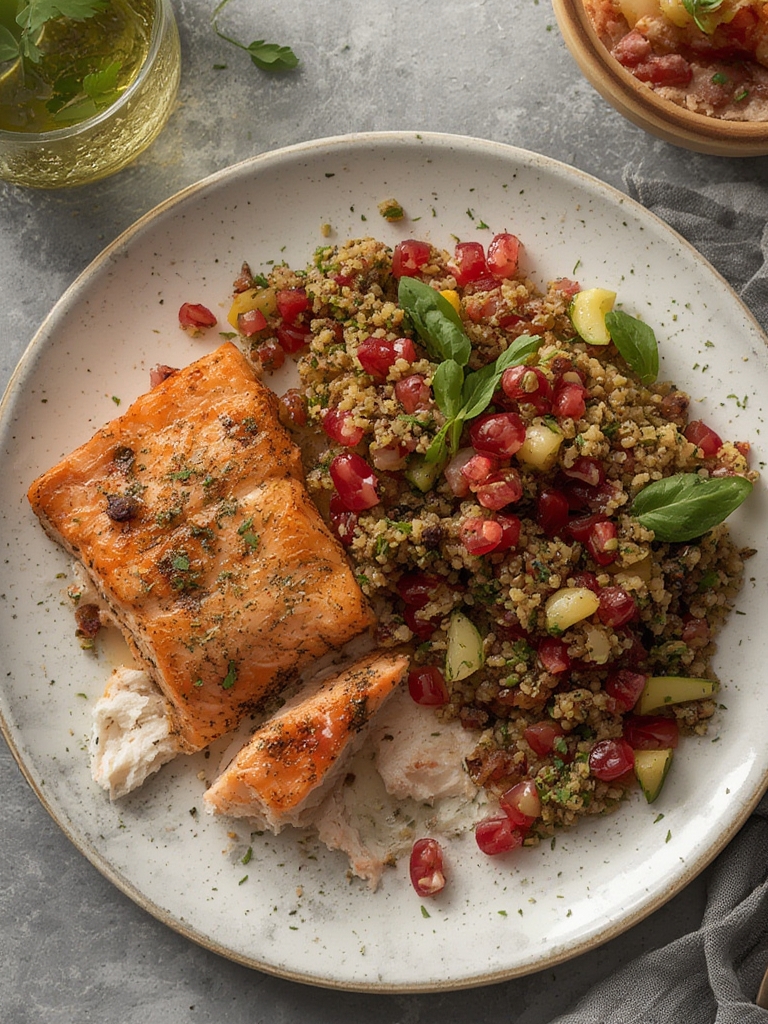
Weeknight dinners don’t have to be a scramble of leftovers and take‑out boxes. By leveraging a few data‑backed trends—like the rise of plant‑forward proteins, the popularity of global street‑food flavors, and the growing demand for meals under 30 minutes—you can serve dishes that feel fresh, restaurant‑quality, and completely manageable after a long day.
Understanding the Trend Landscape
Recent surveys from food‑industry analysts show that 68 % of home cooks prioritize quick preparation, while 54 % are actively seeking “trendy” ingredients such as cauliflower rice, chickpea pasta, and Korean gochujang. These numbers guide the recipe choices below, ensuring each meal aligns with what diners are searching for and what kitchens can realistically deliver.
Step‑by‑Step Planning for a Smooth Weeknight
1. Create a Mini‑Menu in 10 Minutes
- Pick a protein theme. Choose from plant‑based (tofu, tempeh), quick‑cook animal proteins (shrimp, thin‑sliced chicken), or hybrid options (sausage‑style seitan).
- Identify a global flavor profile. Use data from Google Trends: “Korean BBQ,” “Mediterranean grain bowls,” and “Mexican street tacos” consistently spike on weekday evenings.
- Set a prep & cook window. Aim for 20‑30 minutes total; allocate 5 minutes for chopping, 10‑15 minutes for cooking, and the remainder for plating.
2. Prep Ingredients Ahead of Time
- Batch‑cook staples. Cook a large pot of quinoa, brown rice, or cauliflower rice on Sunday; store in airtight containers for up to 4 days.
- Pre‑portion sauces. Mix gochujang‑soy glaze, tahini‑lemon dressing, or chipotle crema in small jars; they stay fresh for a week.
- Use a “mise en place” board. Lay out chopped veggies, protein pieces, and garnish in separate sections to avoid cross‑contamination and speed up assembly.
3. Optimize Cooking Order
- Start with the longest‑cooking element. For example, begin sautéing onions and garlic (2‑3 minutes) before adding quick‑cook proteins.
- Utilize a single‑pan method. One‑pan stir‑fries or sheet‑pan roasts reduce cleanup and keep flavors cohesive.
- Finish with fresh accents. Add herbs, citrus zest, or a drizzle of sauce just before serving to preserve brightness.
Three Data‑Driven, Trendy Weeknight Meals
Meal 1: Korean‑Inspired Gochujang Shrimp Bowls
Why it works: Shrimp cooks in 3‑4 minutes, and gochujang is among the top‑searched Korean condiments for home cooking.
Ingredients (serves 2)
- 200 g peeled shrimp, deveined
- 1 cup cauliflower rice (pre‑cooked)
- 1 tbsp gochujang
- 1 tbsp soy sauce
- 1 tsp honey
- 1 clove garlic, minced
- ½ cup shredded carrots
- ¼ cup sliced cucumber
- 2 tbsp chopped scallions
- 1 tbsp sesame seeds
Steps
- Mix sauce. Whisk gochujang, soy sauce, honey, and garlic in a small bowl. Tip: Adjust sweetness with a splash of rice vinegar if you prefer a tangier profile.
- Heat pan. Add 1 tbsp oil over medium‑high heat; when shimmering, add shrimp.
- Cook shrimp. Stir‑fry for 2‑3 minutes until pink, then pour sauce over shrimp; cook an additional 1 minute to glaze.
- Assemble bowl. Place cauliflower rice at the base, top with glazed shrimp, carrots, cucumber, scallions, and sesame seeds.
- Finish. Squeeze a wedge of lime for brightness; serve immediately.
Meal 2: Mediterranean Chickpea Pasta Primavera
Why it works: Chickpea pasta sales have risen 42 % year‑over‑year, reflecting consumer interest in high‑protein, gluten‑free options.
Ingredients (serves 2)
- 180 g chickpea pasta (penne or rotini)
- 1 cup cherry tomatoes, halved
- ½ cup sliced Kalamata olives
- ¼ cup crumbled feta
- 2 tbsp olive oil
- 1 tsp dried oregano
- 2 cloves garlic, thinly sliced
- Handful fresh basil, torn
- Salt & pepper to taste
Steps
- Cook pasta. Boil in salted water for 8‑10 minutes (or according to package) until al dente; reserve ¼ cup pasta water.
- Sauté aromatics. While pasta cooks, heat olive oil in a skillet; add garlic and oregano, cooking 30 seconds until fragrant.
- Add veggies. Toss in cherry tomatoes and olives; sauté 2‑3 minutes until tomatoes soften.
- Combine. Drain pasta, add to skillet, and stir in reserved water to create a light sauce. Season with salt and pepper.
- Finish. Remove from heat, fold in feta and fresh basil; serve warm.
Meal 3: Sheet‑Pan Mexican Street‑Taco Veggies
Why it works: Sheet‑pan cooking reduces active time by up to 50 %, and “Mexican street tacos” consistently rank in the top 10 food searches for quick dinners.
Ingredients (serves 2)
- 1 large sweet potato, cubed (½‑inch pieces)
- 1 red bell pepper, sliced
- ½ red onion, sliced
- 1 cup black beans, rinsed and drained
- 2 tbsp olive oil
- 1 tsp smoked paprika
- ½ tsp cumin
- ½ tsp chili powder
- ¼ tsp salt
- Fresh cilantro, lime wedges, and avocado slices for topping
Steps
- Preheat oven. Set to 425 °F (220 °C); line a baking sheet with parchment.
- Season veggies. In a bowl, toss sweet potato, bell pepper, onion, and black beans with olive oil, smoked paprika, cumin, chili powder, and salt.
- Roast. Spread evenly on the sheet; roast 20‑22 minutes, turning halfway through for even caramelization.
- Assemble tacos. Transfer roasted mixture to warm corn tortillas; top with cilantro, avocado, and a squeeze of lime.
- Serve. Pair with a simple salsa or a dollop of Greek yogurt for extra creaminess.
Practical Tips for Consistent Success
- Invest in a quality non‑stick skillet. It reduces the need for excess oil and ensures quick release of proteins.
- Use a digital timer. Even a 30‑second overcook can turn shrimp rubbery; set timers for each cooking stage.
- Keep a “flavor pantry.” Stock gochujang, harissa, miso paste, and smoked paprika; they instantly upgrade simple dishes.
- Batch‑freeze sauces. Portion sauces into zip‑top bags; label with date and use within 3 months for peak flavor.
- Practice plate composition. Aim for 50 % base (grain or veg), 30 % protein, and 20 % sauce/ garnish; this visual balance feels restaurant‑ready.
Wrapping Up
By aligning your weeknight cooking with current flavor trends, leveraging quick‑cook proteins, and employing data‑driven planning, you can consistently deliver meals that feel fresh, exciting, and effortless. The three recipes above provide a template you can remix—swap shrimp for tofu, replace gochujang with sriracha, or switch quinoa for farro—while still staying within the 30‑minute window that busy diners crave. Keep your pantry stocked, your prep stations organized, and let these steps guide you to a week of trendy, stress‑free dinners.