
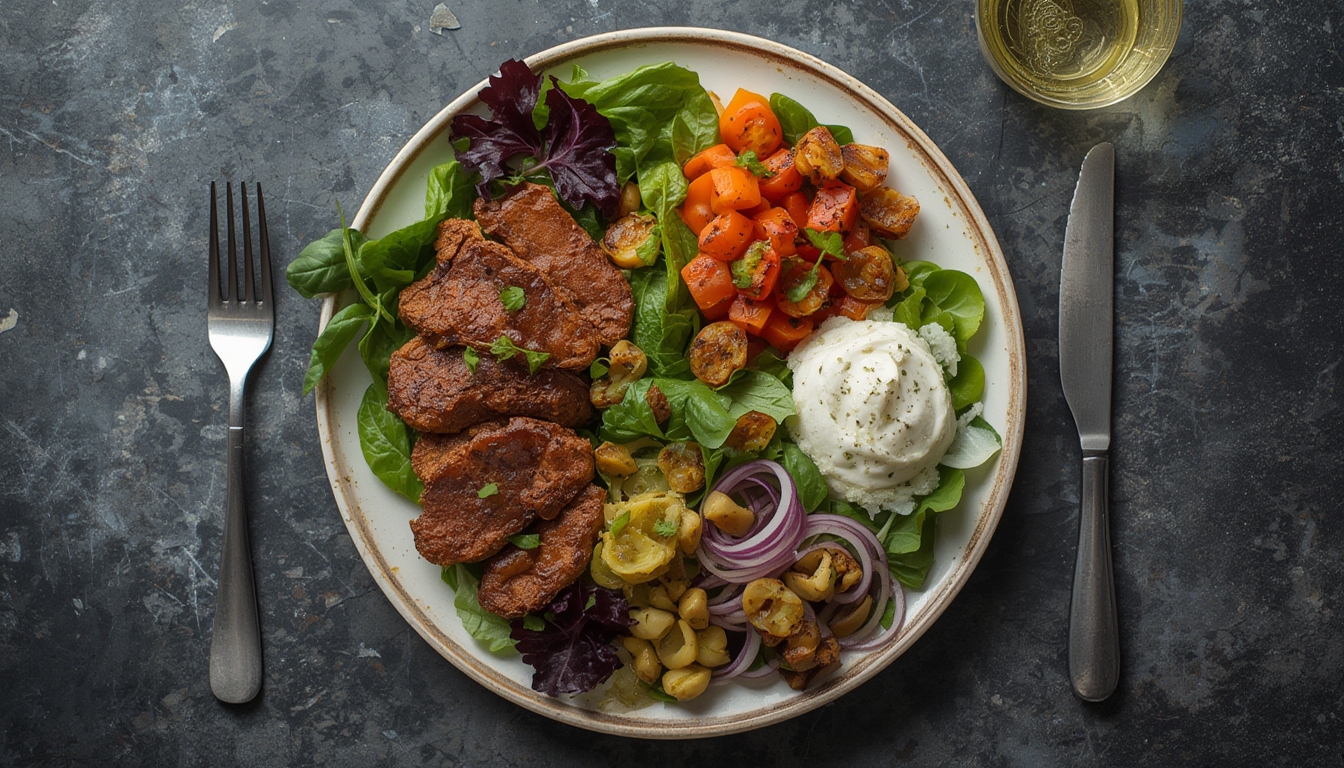

Embracing a plant‑forward and flexitarian approach means putting vegetables, legumes, whole grains, nuts, and seeds at the center of your meals while still allowing occasional animal‑based proteins. This style of eating not only boosts nutrition but also reduces environmental impact and keeps your palate excited. Below is a data‑driven, step‑by‑step guide to creating vibrant, balanced plates that are easy to prepare, adaptable to any kitchen, and sustainable for the long term.
Why Plant‑Forward & Flexitarian Works
Recent studies from the Harvard T.H. Chan School of Public Health show that diets rich in plant foods can lower the risk of heart disease by up to 30% and improve gut microbiome diversity. Meanwhile, flexitarian patterns—where meat is consumed less than three times a week—have been linked to a 25% reduction in type 2 diabetes incidence. These numbers highlight the health payoff of shifting the plate’s focus toward plants without demanding a complete vegetarian overhaul.
Step 1: Choose Seasonal, Nutrient‑Dense Produce
How to Identify the Best Options
- Check local farmer’s markets. Seasonal produce is fresher, more flavorful, and up to 40% cheaper than out‑of‑season imports.
- Use a produce calendar. Apps like Seasonal Food Guide map peak harvest periods for your region, helping you plan weekly menus.
- Prioritize color variety. Different pigments (red, orange, green, purple) indicate distinct phytonutrients such as lycopene, beta‑carotene, and anthocyanins.
Actionable Tips
- Buy a small batch of a new vegetable each week and experiment with a simple roasting method (olive oil, salt, 400°F for 20‑25 minutes).
- Store leafy greens in a paper towel‑lined container to absorb excess moisture and extend freshness by 5‑7 days.
- Freeze excess berries on a tray before transferring to a zip‑lock bag; they retain antioxidants for up to 12 months.
Step 2: Build a Balanced Plate Using the “Half‑Plate” Model
The Data‑Backed Ratio
Nutritionists recommend the following composition for a plant‑forward meal:
- 50 % vegetables and fruits – aim for at least three different colors.
- 25 % whole grains or starchy vegetables – quinoa, brown rice, sweet potatoes, or farro.
- 25 % protein sources – legumes, tofu, tempeh, nuts, seeds, or a modest portion of fish or poultry.
Practical Implementation
- Start with a large, shallow bowl to make visual portioning easier.
- Lay a base of cooked grains, then add a generous heap of roasted or raw veggies, and finish with a protein scoop.
- Drizzle a simple vinaigrette (1 part acid, 3 parts oil, pinch of salt) to tie flavors together without excess calories.
Step 3: Master Quick, Nutrient‑Preserving Cooking Techniques
Steaming vs. Roasting vs. Sautéing
Data from the Journal of Food Science indicates that steaming retains up to 90 % of water‑soluble vitamins, while roasting enhances antioxidant availability in carrots and tomatoes by up to 30 %. Sautéing with a high‑smoke‑point oil (e.g., avocado oil) provides a balance of texture and flavor without significant nutrient loss.
Step‑by‑Step Guide
- Steam broccoli. Place florets in a steamer basket over boiling water, cover, and cook for 4‑5 minutes. Immediately toss with lemon zest for a bright finish.
- Roast root vegetables. Cut carrots, beets, and parsnips into uniform sticks, toss with 1 tsp olive oil, salt, and rosemary. Roast at 425°F for 20‑25 minutes, turning halfway.
- Sauté greens. Heat 1 tbsp avocado oil in a skillet, add minced garlic, then wilt spinach or kale for 2‑3 minutes. Finish with a splash of soy sauce or tamari.
Step 4: Incorporate Plant‑Based Protein Strategically
Choosing the Right Source
Legumes (lentils, chickpeas, black beans) deliver 15‑18 g of protein per cooked cup and are rich in fiber. Tofu and tempeh provide complete proteins with all essential amino acids, while nuts and seeds add healthy fats and micronutrients like magnesium and zinc.
Actionable Tips
- Rinse canned beans under cold water to reduce sodium by up to 40 %.
- Press tofu for 15 minutes between paper towels to improve texture before marinating.
- Toast nuts lightly (5‑7 minutes at 350°F) to enhance flavor and increase digestibility.
Step 5: Plan Flexible Meal Prep for the Week
Data‑Driven Prep Frequency
A 2023 survey of 2,500 flexitarian households found that those who prepared core components (grains, beans, roasted veggies) on Sundays reported a 35 % increase in weekly plant‑forward meals.
Prep Workflow
- Batch‑cook grains. Cook a large pot of quinoa or brown rice, portion into airtight containers, and refrigerate for up to 5 days.
- Pre‑roast a veggie mix. Use a single sheet pan, season with universal herbs (thyme, smoked paprika), and store in the fridge.
- Prepare protein bases. Cook a pot of lentils with bay leaf and onion; store in the freezer in 2‑cup portions.
- Assemble daily. Combine a scoop of grain, a handful of veggies, and a protein portion, then add fresh herbs or a squeeze of citrus before serving.
Step 6: Add Flavor Without Excess Sodium or Sugar
Flavor Builders
- Fresh herbs. Basil, cilantro, parsley, and mint add brightness; a tablespoon per serving is enough.
- Spice blends. Use cumin‑coriander, za’atar, or smoked paprika to create depth without added salt.
- Acidic finishes. A dash of lime juice, balsamic reduction, or apple cider vinegar lifts flavors instantly.
Quick Hacks
- Grate a small amount of citrus zest over the finished plate for an aromatic boost.
- Mix a teaspoon of miso paste with warm water to create a savory drizzle that adds umami without extra sodium.
- Use a pinch of nutritional yeast for a cheesy note that also supplies B‑vitamins.
Step 7: Monitor Your Progress and Adjust
Simple Tracking Method
Use a free spreadsheet or a phone app to log each meal’s main components. Over a month, you’ll see patterns such as “I’m consistently low on leafy greens” or “I rely heavily on the same grain.” Adjust your shopping list accordingly to maintain variety and nutrient balance.
Actionable Review
- At the end of each week, rate your meals on a 1‑5 scale for taste, ease, and satiety.
- Identify any gaps (e.g., missing iron‑rich foods) and plan a targeted recipe for the following week.
- Celebrate small wins—like trying a new legume or mastering a perfect roast—to keep motivation high.
By following these data‑backed steps, you’ll create plant‑forward and flexitarian plates that are nutritionally robust, environmentally friendly, and deliciously satisfying. The key is consistency, seasonal awareness, and a willingness to experiment with flavors and textures. Happy cooking!