
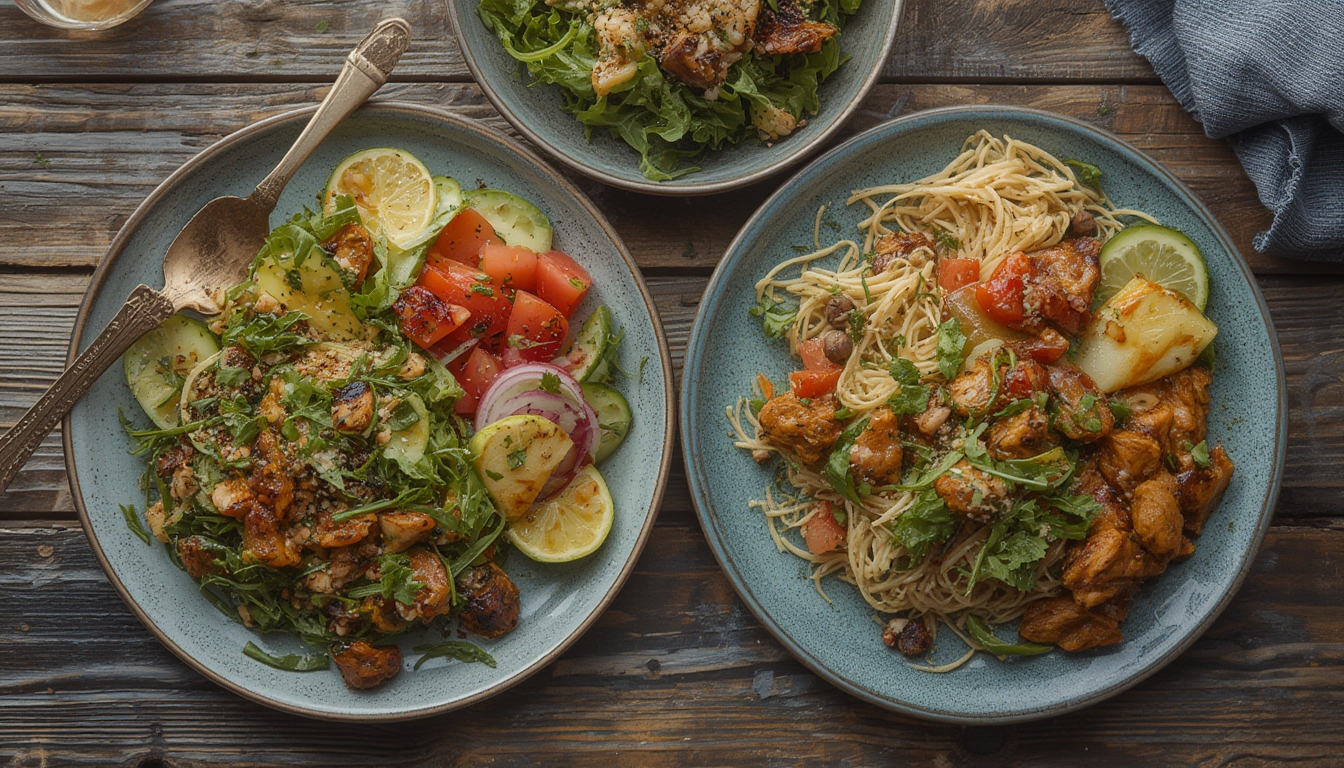

Embracing a plant‑forward and flexitarian lifestyle means filling your plate with vibrant vegetables, legumes, whole grains, and occasional animal protein. The secret to consistently delicious meals is having fresh, high‑quality produce right at home. Below is a data‑driven, step‑by‑step guide to growing and caring for the key plant groups that make up a flexible, nutrient‑rich plate. Follow each actionable tip to ensure a thriving garden and a pantry stocked with flavor.
1. Planning Your Plant‑Forward Garden
Assess Your Space and Climate
- Measure available area: Record the square footage of beds, containers, or vertical structures. Use a spreadsheet to log dimensions and sunlight exposure.
- Map sun zones: Track the number of direct sunlight hours each spot receives over a typical week. Aim for 6–8 hours for most vegetables; 4–6 hours works for leafy greens.
- Check USDA hardiness zone: Look up your zone (e.g., 5b–7a for much of the U.S.) and match it to crop calendars to avoid frost‑sensitive plantings.
Select High‑Yield, Versatile Crops
- Leafy greens: Spinach, kale, Swiss chard – fast growers, can be harvested multiple times.
- Legumes: Bush beans, peas – add protein and fix nitrogen for soil health.
- Root vegetables: Carrots, beets – store well for later flexitarian meals.
- Herbs: Basil, cilantro, mint – boost flavor and require minimal space.
Design a Crop Rotation Schedule
Rotate families (solanaceae, brassicaceae, legumes, alliums) every season to reduce disease pressure. A simple rotation matrix in a notebook can track which bed hosted which family, ensuring you don’t plant the same family in the same spot two years in a row.
2. Soil Preparation and Nutrient Management
Test and Amend Soil
- Soil test: Send a sample to a local extension service. Record pH (ideal 6.0–6.8) and macro‑nutrient levels (N‑P‑K).
- Adjust pH: Add lime to raise pH or elemental sulfur to lower it. Apply in 5‑lb increments per 100 sq ft, then retest after two weeks.
- Organic matter: Incorporate 2–3 inches of compost or well‑rotted manure. This improves structure, water retention, and microbial activity.
Fertilization Strategy
- Baseline feeding: Use a balanced organic fertilizer (e.g., 10‑10‑10) at a rate of 1 lb per 100 sq ft at planting.
- Side‑dressing: For heavy feeders like kale, apply a nitrogen‑rich amendment (e.g., fish emulsion) every 3–4 weeks.
- Data tracking: Log each application date, amount, and observed plant response. Over time, you’ll identify the exact amounts your garden needs.
3. Planting Techniques for Maximum Yield
Direct Seeding vs. Transplanting
- Direct seed: Ideal for beans, carrots, and radishes. Sow seeds at the depth recommended on the packet (usually ¼–½ inch). Space rows 12–18 inches apart; thin seedlings to recommended spacing after emergence.
- Transplant: Use for kale, broccoli, and basil. Start seeds indoors 4–6 weeks before the last frost, then harden off seedlings for 7 days before moving them outdoors.
Spacing and Intercropping
- Row spacing: 18–24 inches for beans, 12 inches for lettuce.
- Intercropping tip: Plant fast‑growing radishes between slower beans. Radishes mature in 30 days, loosening soil for bean roots.
4. Watering and Mulching Best Practices
Establish a Consistent Schedule
- Deep watering: Apply 1 inch of water per week, delivering it slowly to encourage deep root growth.
- Morning timing: Water between 5 am–9 am to reduce evaporation and disease risk.
- Smart monitoring: Use a soil moisture probe; aim for a reading of 2–3 bars (moderately moist) before re‑watering.
Mulch for Moisture Retention
- Material choice: Straw, shredded leaves, or wood chips work well.
- Application depth: Spread 2–3 inches around plant bases, keeping mulch a few inches away from stems to prevent rot.
- Benefit tracking: Record soil temperature and moisture before and after mulching; you’ll often see a 2–3 °F cooler soil and 20% less water use.
5. Pest and Disease Management Without Chemicals
Scouting Routine
- Weekly walk: Inspect leaves for holes, discoloration, or sticky residues.
- Identify early: Use a phone app or field guide to match symptoms to pests (e.g., aphids, cabbage loopers).
Biological Controls
- Beneficial insects: Release ladybugs for aphids and nematodes for soil pests.
- Companion planting: Plant marigolds near beans to deter nematodes; basil near tomatoes reduces fungal issues.
- DIY spray: Mix 1 tbsp neem oil, 1 tsp liquid soap, and 1 quart water. Apply every 7–10 days, focusing on the undersides of leaves.
6. Harvesting and Post‑Harvest Care
Timing the Harvest
- Leafy greens: Cut outer leaves when they reach 4–6 inches tall; the plant will keep producing.
- Beans: Pick pods when they are 4–5 inches long and before seeds swell.
- Root veg: Harvest carrots when tops are ½‑inch in diameter; larger roots may become woody.
Storage Tips for Flexitarian Meals
- Refrigeration: Wrap greens in a damp paper towel and store in a perforated bag for up to 10 days.
- Freezing: Blanch beans for 2 minutes, shock in ice water, then freeze in single‑layer bags for up to 12 months.
- Herb preservation: Place stems in a jar of water, cover tops with a plastic bag, and store in the fridge; basil lasts up to 2 weeks.
7. Data‑Driven Adjustments for Future Seasons
Maintain a Garden Journal
- Record planting dates, varieties, fertilizer amounts, watering frequency, and weather conditions.
- Note yields (e.g., pounds of kale per 100 sq ft) and any pest incidents.
- Review the journal at season’s end to spot trends—perhaps beans performed better in a sunnier corner or kale thrived with extra nitrogen.
Leverage Simple Analytics
- Use a spreadsheet to calculate average yield per crop and compare year‑over‑year changes.
- Plot a graph of rainfall vs. watering adjustments to fine‑tune irrigation schedules.
- Apply the insights to tweak spacing, soil amendments, or crop rotation for the next planting cycle.
By following these data‑backed steps, you’ll cultivate a resilient garden that fuels a plant‑forward, flexitarian plate with fresh, flavorful ingredients all year round. The combination of careful planning, consistent care, and ongoing record‑keeping turns gardening from a hobby into a reliable source of nutrition for any flexible eating style.