
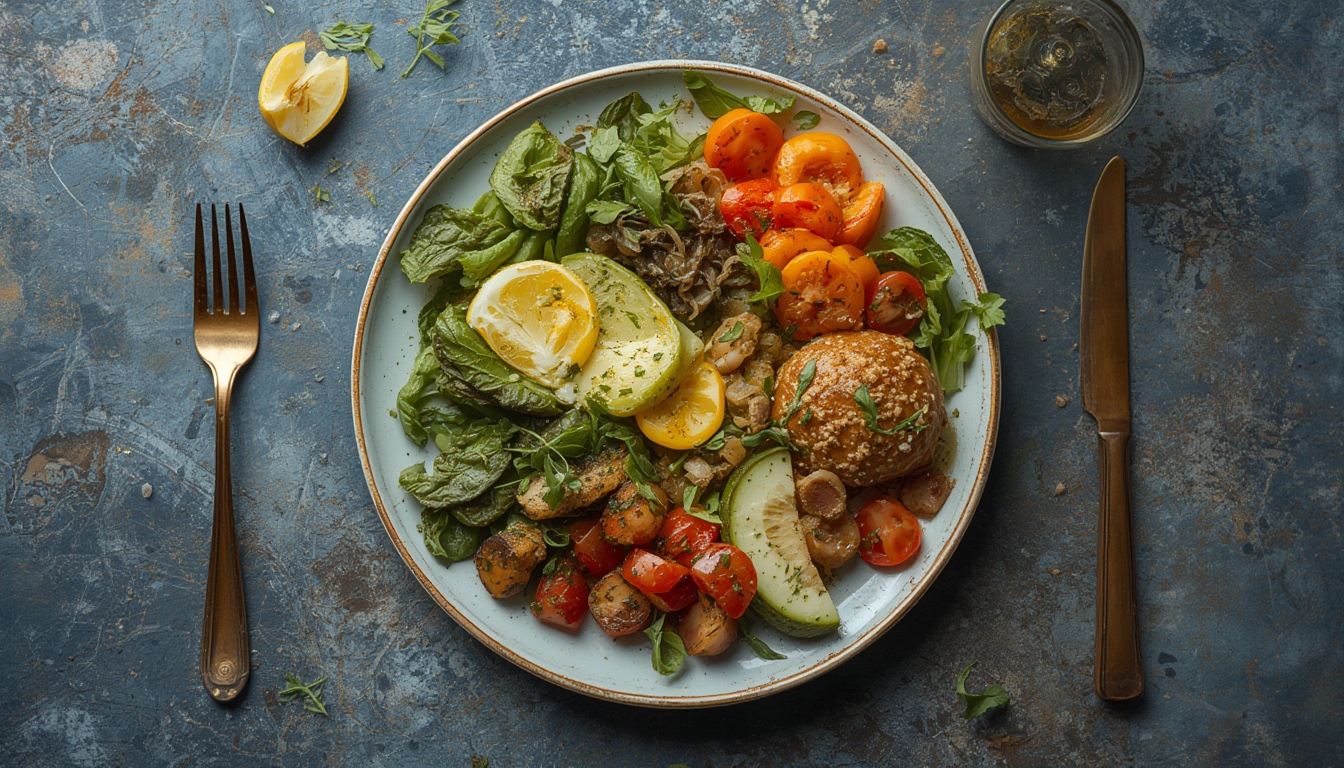

Embracing a plant‑forward and flexitarian lifestyle means filling your plate with vibrant vegetables, whole grains, and sustainable proteins while still allowing occasional animal‑based ingredients. The goal is to make plants the star of every meal, using meat, dairy, or seafood as supporting players rather than the main attraction. Below is a data‑driven, step‑by‑step guide that walks you through planning, preparing, and perfecting plant‑forward flexitarian plates that are both nutritionally balanced and delicious.
Why Choose Plant‑Forward Flexitarian Plates?
Research consistently shows that meals rich in plant foods lower the risk of chronic diseases, improve gut health, and reduce environmental impact. A flexitarian approach adds flexibility, making it easier to sustain long‑term. By focusing on plant‑based ingredients first, you naturally increase fiber, antioxidants, and phytonutrients while still meeting protein needs through beans, lentils, nuts, or occasional animal products.
Step‑by‑Step Blueprint for Building a Plant‑Forward Flexitarian Plate
1. Start with a Seasonal Produce Audit
- Action: Visit your local farmers market or grocery store and list the vegetables and fruits that are in season.
- Tip: Seasonal produce is cheaper, fresher, and more nutrient‑dense. Use a simple spreadsheet to track availability and price trends over a month.
- Result: A rotating “produce pantry” that guides your weekly menu planning.
2. Choose a Whole‑Grain Base
- Action: Pick one grain per week—quinoa, farro, brown rice, or millet.
- Tip: Cook a large batch (2–3 cups dry) using a 1:2 grain‑to‑water ratio. Add a pinch of salt and a splash of olive oil for flavor.
- Result: Ready‑to‑use grain that can be reheated or served cold in salads for up to five days.
3. Add a Plant‑Based Protein Source
- Action: Incorporate legumes (chickpeas, black beans, lentils) or tofu/tempeh.
- Tip: Rinse canned beans to reduce sodium. For tofu, press for 15 minutes to improve texture, then marinate in soy sauce, garlic, and ginger.
- Result: A protein boost that supplies essential amino acids and keeps you satiated.
4. Layer in Colorful Vegetables
- Action: Aim for at least three different colors on the plate—red (bell peppers, tomatoes), orange/yellow (carrots, squash), green (kale, broccoli).
- Tip: Roast root vegetables at 425°F for 20‑25 minutes with a drizzle of oil and a pinch of smoked paprika to enhance sweetness.
- Result: A visually appealing plate that delivers a broad spectrum of vitamins and minerals.
5. Introduce Healthy Fats
- Action: Add a handful of nuts, seeds, or a drizzle of avocado oil.
- Tip: Toast almonds or pumpkin seeds in a dry skillet for 3‑4 minutes to unlock their nutty aroma.
- Result: Improved nutrient absorption and a satisfying mouthfeel.
6. Sprinkle Flavor Boosters
- Action: Use fresh herbs (basil, cilantro), citrus zest, or a splash of vinegar.
- Tip: Finish dishes with a squeeze of lemon or a tablespoon of balsamic reduction for brightness without extra calories.
- Result: A plate that bursts with layered flavors, reducing the need for excess salt.
7. Optional Animal‑Based Accent
- Action: If desired, add a modest portion (2‑3 ounces) of grilled chicken, fish, or a boiled egg.
- Tip: Cook the animal protein separately and slice thinly; this keeps the plant focus intact.
- Result: A balanced flexitarian meal that respects both plant‑forward principles and personal protein preferences.
Practical Tips for Each Step
Batch Cooking and Storage
Allocate 30‑45 minutes on Sunday to cook grains, legumes, and roasted veggies. Store each component in airtight containers in the fridge. This reduces daily prep time to under 10 minutes and ensures you always have a nutritious base ready.
Portion Control Using the Plate Method
Visualize your plate divided into quarters: ½ plate vegetables, ¼ whole grains, ¼ protein (plant‑based or flexitarian). This simple visual cue helps maintain macronutrient balance without counting calories.
Seasonal Swaps for Variety
When broccoli is out of season, replace it with Brussels sprouts or cauliflower. Use data from your produce audit to rotate vegetables every two weeks, keeping meals exciting and preventing nutrient gaps.
Flavor Enhancers Without Extra Sodium
Combine smoked paprika, cumin, and a pinch of cayenne for a smoky heat. Add umami with a teaspoon of miso paste or a splash of tamari. These ingredients deepen flavor while keeping sodium in check.
Mindful Cooking Techniques
- Sauté: Use a non‑stick pan with a teaspoon of oil; keep heat medium‑high to retain crunch.
- Steam: Preserve water‑soluble vitamins by steaming greens for 3‑4 minutes.
- Grill: Char vegetables on a grill pan for a caramelized exterior that mimics outdoor grilling.
Sample Plant‑Forward Flexitarian Plate
Below is a ready‑to‑assemble example that follows the steps above:
- Base: 1 cup cooked quinoa.
- Protein: ½ cup roasted chickpeas seasoned with cumin and smoked paprika.
- Veggies: ¼ cup roasted carrots, ¼ cup sautéed kale, and ¼ cup cherry tomatoes.
- Fats: 1 tablespoon toasted pumpkin seeds.
- Flavor: Drizzle of lemon‑tahini dressing (tahini, lemon juice, garlic, water).
- Optional: 2 ounces sliced grilled salmon on the side.
Mix the quinoa, chickpeas, and veggies, then top with seeds, dressing, and salmon if using. The result is a balanced, nutrient‑dense plate that satisfies both plant‑forward and flexitarian goals.
Maintaining Success Over Time
Track your meals in a simple journal or app, noting which vegetables you enjoyed most and any cravings that arise. Adjust future plates based on this data—if you notice a dip in energy, increase legumes or nuts for extra protein and healthy fats. Consistency, variety, and a data‑driven mindset will keep your plant‑forward flexitarian journey sustainable and enjoyable.