
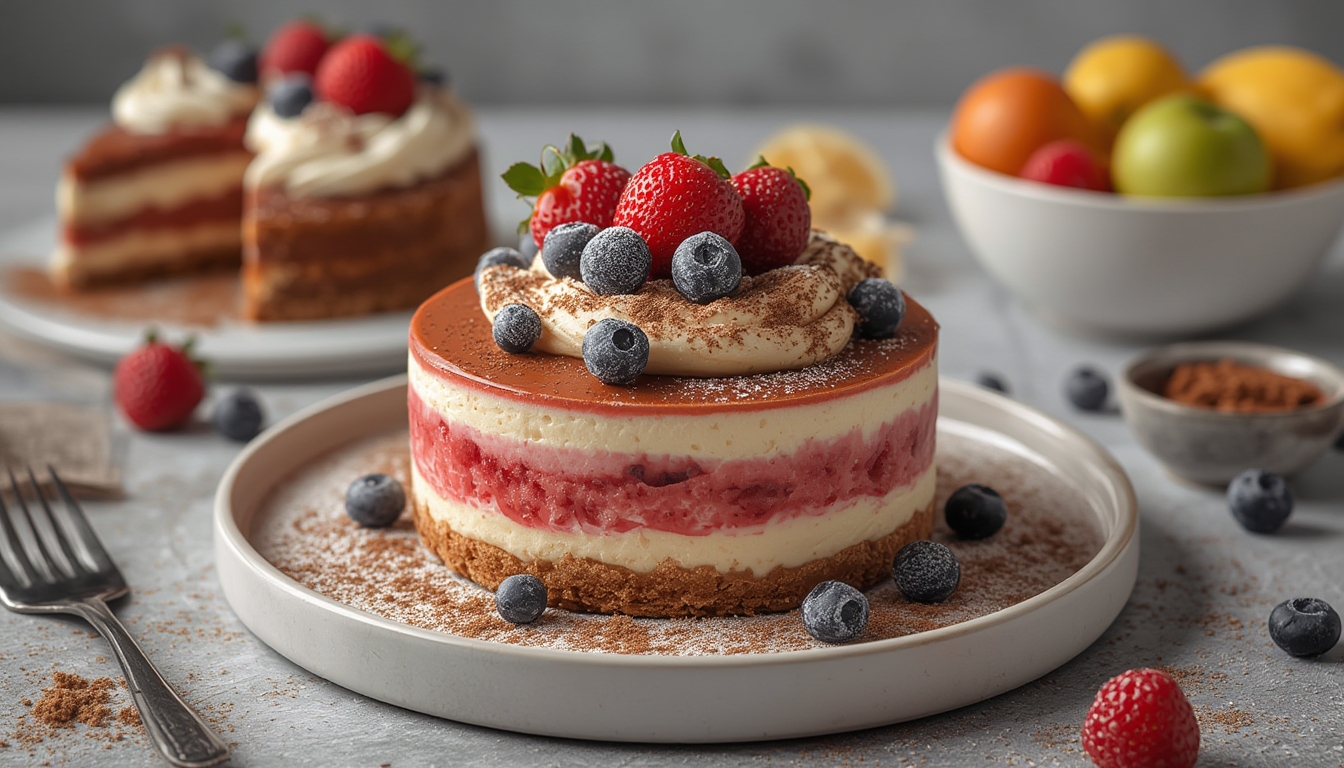
Modern desserts are no longer limited to classic cakes and pies. Today’s sweet creations blend science, art, and unexpected flavors to deliver unforgettable experiences. Whether you’re a home baker eager to experiment or a culinary professional seeking fresh inspiration, this guide walks you through the essential techniques, tools, and step‑by‑step processes that turn ordinary ingredients into extraordinary desserts.
Why Experiment with Desserts?
Experimentation unlocks three key benefits:
- Flavor Fusion: Pairing sweet with savory, bitter, or umami notes creates depth and surprise.
- Texture Play: From airy foams to crunchy gels, texture can elevate a simple bite into a multi‑sensory adventure.
- Visual Impact: Modern plating, color contrast, and unexpected shapes make desserts Instagram‑ready and memorable.
Essential Tools & Ingredients
Before diving into the experiments, gather these foundational items. Having the right equipment ensures consistency and reduces trial‑and‑error.
Tools
- Digital kitchen scale – precise measurements are critical for chemistry‑based desserts.
- Immersion blender or high‑speed mixer – for smooth emulsions and foams.
- Siphon (whipping cream charger) – essential for creating light mousses and espuma.
- Silicone molds and silicone baking mats – for easy release and uniform shapes.
- Thermometer (instant‑read) – monitor caramelization, chocolate tempering, and sugar work.
- Food‑grade silicone tubing – for piping gels, sauces, and decorative elements.
Core Ingredients
- High‑quality chocolate (70% cacao or higher) – the base for ganaches, shards, and glossy glazes.
- Fresh cream, butter, and egg yolks – classic fats that provide richness and stability.
- Natural sweeteners (honey, maple syrup, agave) – add complexity beyond plain sugar.
- Alternative thickeners (agar‑agar, xanthan gum, gelatin) – control set points for gels and foams.
- Flavor boosters (citrus zest, espresso, smoked sea salt, herbs) – introduce unexpected layers.
Step‑by‑Step Sweet Experiments
1. Nitro‑Infused Fruit Sorbet
Goal: Achieve an ultra‑smooth, airy sorbet that melts on the tongue like a cloud.
- Prepare the base: Blend 300 g frozen berries, 100 ml simple syrup, and 30 ml lemon juice until silky.
- Chill: Transfer the mixture to a shallow metal pan and freeze for 30 minutes.
- Infuse nitrogen: Using a food‑grade liquid nitrogen canister, drizzle nitrogen over the semi‑frozen sorbet while stirring vigorously with a metal whisk. The rapid freezing creates micro‑crystals, yielding a velvety texture.
- Serve: Scoop into chilled glasses and garnish with fresh mint leaves and a dusting of powdered sugar.
Tip: Wear gloves when handling liquid nitrogen and work in a well‑ventilated area.
2. Deconstructed Lemon Tart with Olive Oil Meringue
Goal: Present classic lemon tart flavors in a modern, texturally varied format.
- Lemon curd: Whisk together 120 ml fresh lemon juice, 80 g sugar, 2 egg yolks, and 30 g butter over a bain‑marie until thickened. Cool.
- Olive oil meringue: In a clean bowl, beat 3 egg whites to soft peaks. Gradually add 150 g sugar, then drizzle 30 ml high‑quality extra‑virgin olive oil while continuing to beat to stiff peaks. The oil adds a subtle fruitiness and glossy finish.
- Crumbled shortbread: Pulse 100 g butter, 80 g flour, and 30 g powdered sugar until crumbly. Press into a thin layer on a parchment sheet and bake at 180 °C for 10 minutes.
- Plate: Spoon a dollop of lemon curd, scatter shortbread crumbs, and pipe delicate ribbons of olive oil meringue. Finish with a pinch of sea salt.
Tip: Use a small offset spatula for precise meringue piping.
3. Coffee‑Infused Chocolate Ganache Sphere
Goal: Create a surprise‑burst sphere that releases a fragrant coffee foam when cut.
- Make the ganache: Heat 200 ml heavy cream with 2 tbsp finely ground espresso until just simmering. Pour over 250 g dark chocolate, stir until smooth, then chill until firm.
- Form spheres: Using a silicone sphere mold, fill each cavity with ganache, then freeze for 1 hour.
- Encapsulate: Melt 100 g white chocolate, dip frozen ganache spheres quickly to create a thin shell, and return to freezer.
- Prepare coffee foam: Whisk 100 ml cold brew coffee with 30 ml milk and 1 g soy lecithin in an immersion blender until airy.
- Serve: Place a sphere on a plate, drizzle with a spoonful of coffee foam, and watch the shell crack, releasing the aromatic interior.
Tip: Keep the spheres frozen until plating to prevent premature melting.
4. Molecular Fruit Caviar
Goal: Transform fruit juices into tiny, burst‑in‑your‑mouth pearls that add texture and visual intrigue.
- Prepare the juice: Strain 200 ml of pureed mango or raspberry through a fine mesh to remove pulp.
- Mix with calcium lactate: Dissolve 2 g calcium lactate in the juice; this provides the calcium needed for gelation.
- Alginate bath: In a separate bowl, combine 500 ml water with 0.5 g sodium alginate, blend with a hand blender, then let sit for 30 minutes to eliminate air bubbles.
- Form caviar: Using a syringe or small spoon, drop the calcium‑infused juice into the alginate bath. The droplets instantly form a thin gel membrane, creating caviar‑like pearls.
- Rinse & serve: Remove pearls with a slotted spoon, rinse in clean water, and scatter over panna cotta, mousse, or a simple vanilla ice cream.
Tip: Work quickly; the pearls set within seconds, and prolonged exposure can make them too firm.
5. Smoked Caramel Popcorn
Goal: Add a smoky, caramelized crunch to a familiar snack, perfect for topping desserts or serving as a standalone treat.
- Pop the corn: Use 100 g popcorn kernels; pop in a hot air popper or stovetop with minimal oil.
- Make smoked caramel: Melt 150 g butter, add 200 g brown sugar, 60 ml heavy cream, and a pinch of smoked paprika. Stir until thick and glossy.
- Coat: Toss the warm popcorn with the smoked caramel, ensuring even coverage.
- Bake: Spread on a parchment sheet and bake at 150 °C for 10 minutes, stirring halfway.
- Finish: Cool completely; the caramel will crisp. Sprinkle with flaky sea salt before serving.
Tip: Use a silicone spatula to prevent caramel from sticking to metal.
Putting It All Together: A Sample Dessert Plate
Combine two or three of the experiments above for a cohesive, modern dessert experience. For example:
- Start with a base of smoked caramel popcorn for crunch.
- Add a scoop of nitro‑infused berry sorbet for a refreshing contrast.
- Top with a sliced coffee‑infused chocolate ganache sphere that releases aromatic foam.
- Finish with a scattering of fruit caviar for bursts of acidity.
This arrangement balances sweet, smoky, tart, and aromatic elements while showcasing a variety of textures.
Practical Tips for Consistent Success
- Temperature control: Many modern desserts rely on precise heat. Use a digital thermometer for chocolate tempering, sugar work, and custard setting.
- Ingredient freshness: Fresh fruit, high‑quality chocolate, and real butter make a noticeable difference in flavor and texture.
- Batch testing: When trying a new technique, start with a small batch. Adjust sugar levels, liquid ratios, or setting times before scaling up.
- Clean equipment: Residual fats or water can prevent gels from forming or cause foams to collapse. Wipe tools between steps.
- Presentation mindset: Think of the plate as a canvas. Use contrasting colors, varied heights, and negative space to let each component shine.
Conclusion
Modern desserts thrive on curiosity, precision, and a willingness to blend culinary traditions with scientific methods. By mastering the tools, ingredients, and step‑by‑step processes outlined above, you can confidently experiment, innovate, and delight diners with sweet creations that surprise both the palate and the eye. Keep exploring, taste‑testing, and refining—each experiment brings you closer to the next unforgettable dessert.