
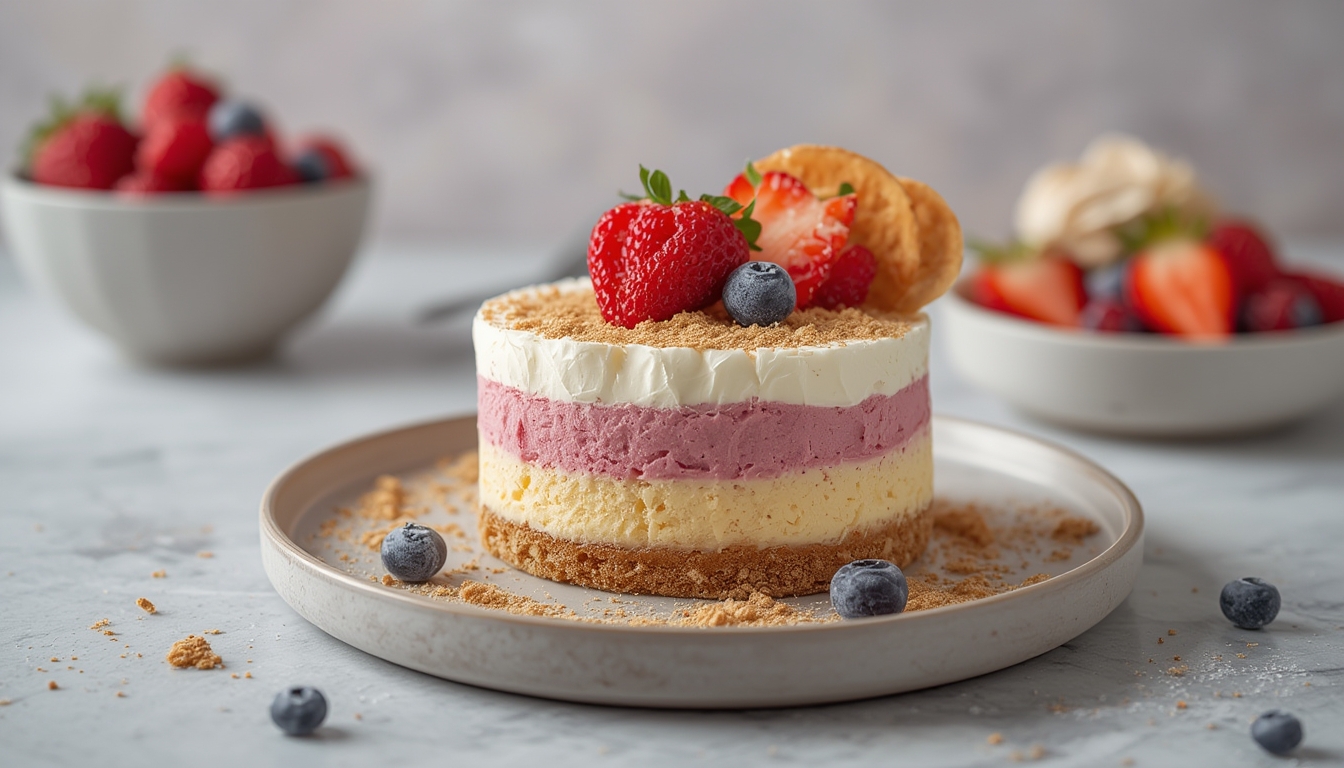
Modern desserts are no longer limited to classic cakes and puddings; they are a playground for creativity, science, and flavor exploration. By blending culinary tradition with cutting‑edge techniques, you can craft sweet experiences that surprise the palate and delight the eyes. Below is a data‑driven, step‑by‑step guide to three popular sweet experiments: liquid nitrogen sorbet, agar‑based fruit caviar, and espresso‑infused mousse. Each section includes practical tips, tricks, and actionable advice to help you achieve consistent, restaurant‑quality results at home.
1. Liquid Nitrogen Sorbet – Instant Freeze for Ultra‑Smooth Texture
Ingredients (makes 4 servings)
- 200 g ripe mango puree (or any fruit of choice)
- 80 g granulated sugar
- 30 ml fresh lime juice
- 150 ml water
- Liquid nitrogen (≈1 L, handled with proper safety gear)
Equipment
- Stainless‑steel mixing bowl (cold)
- Whisk or immersion blender
- Insulated gloves and safety goggles
- Metal spatula
Step‑by‑Step Process
- Combine the base. In the cold bowl, whisk together mango puree, sugar, lime juice, and water until the sugar dissolves completely. Tip: Use a digital thermometer; the mixture should be around 5 °C to ensure rapid freezing.
- Prepare the work area. Lay down a silicone mat and keep a fire‑extinguishing blanket nearby. Pour liquid nitrogen into a shallow metal tray for easy access. Tip: Pre‑chill the spatula in the freezer for 10 minutes – it helps control the freezing front.
- Freeze the sorbet. Slowly drizzle liquid nitrogen into the fruit mixture while continuously stirring with the spatula. Add nitrogen in a thin, steady stream; too much at once creates large ice crystals. Tip: Stir in a figure‑eight motion to promote even crystal formation.
- Monitor texture. After about 30 seconds, the mixture will thicken. Continue stirring until it reaches a smooth, scoopable consistency (usually 1–2 minutes total). Trick: Pause briefly to taste; adjust sweetness with a pinch of sugar if needed.
- Serve immediately. Scoop the sorbet into chilled glasses. The residual nitrogen will evaporate within seconds, leaving a silky mouthfeel. Safety note: Ensure no liquid nitrogen remains in the serving dish before consumption.
2. Agar‑Based Fruit Caviar – Tiny Pearls that Burst with Flavor
Ingredients (serves 4)
- 200 ml fruit juice (e.g., passion fruit, raspberry, or pomegranate)
- 2 g agar‑agar powder (≈½ tsp)
- 10 g fine‑grain sugar (optional, adjust to taste)
- Cold mineral oil (for the caviar bath)
- Fine‑mesh sieve
Equipment
- Small saucepan
- Dropper or syringe
- Stainless‑steel bowl filled with ice water
- Silicone mat for draining
Step‑by‑Step Process
- Activate agar. In the saucepan, combine fruit juice, agar‑agar, and sugar. Bring to a boil, then simmer for 2 minutes, stirring constantly. Tip: Agar fully dissolves only at a rolling boil; use a whisk to avoid clumps.
- Cool slightly. Remove from heat and let the mixture sit for 1 minute. It should be around 60 °C – warm enough to stay liquid but cool enough not to melt the oil bath.
- Prepare the oil bath. Fill a shallow dish with cold mineral oil (≈1 cm deep). The oil should be chilled in the freezer for at least 15 minutes. Trick: Adding a few ice cubes to the oil creates a temperature gradient that yields more uniform pearls.
- Form the pearls. Using a dropper, release the agar mixture drop‑by‑drop into the oil. The droplets will instantly solidify into tiny spheres. Tip: Hold the dropper close to the surface (≈1 cm) to control pearl size; a higher drop height creates larger spheres.
- Rinse and store. Scoop the pearls with a slotted spoon and transfer them to the ice‑water bowl for 30 seconds to remove oil residue. Drain on a silicone mat and keep refrigerated until serving. Practical advice: Use the pearls within 24 hours for optimal texture.
3. Espresso‑Infused Chocolate Mousse – A Velvet‑Smooth, Caffeine‑Kick
Ingredients (makes 6 mini‑mousses)
- 200 g dark chocolate (70 % cocoa), chopped
- 150 ml heavy cream
- 2 large egg yolks
- 30 ml strong espresso (cooled)
- 20 g granulated sugar
- Pinch of sea salt
Equipment
- Heat‑proof bowl (for double‑boiler)
- Whisk
- Electric mixer (or hand whisk)
- Ramekins or silicone molds
Step‑by‑Step Process
- Melt the chocolate. Place chopped chocolate in the heat‑proof bowl over simmering water (double‑boiler). Stir until smooth, then remove from heat. Tip: Keep the bowl dry; any water will cause the chocolate to seize.
- Temper the yolks. In a separate bowl, whisk egg yolks with sugar until pale. Slowly drizzle 50 ml of the warm melted chocolate into the yolk mixture while whisking continuously (tempering). Then return the combined mixture to the bowl with the remaining chocolate. Trick: This prevents curdling and creates a glossy base.
- Incorporate espresso and salt. Stir in the cooled espresso and a pinch of sea salt. The espresso adds depth without overwhelming bitterness. Practical advice: Taste and adjust with a tiny extra splash of espresso if you prefer a stronger coffee note.
- Whip the cream. In a chilled mixing bowl, beat heavy cream to soft peaks. Tip: Chill the bowl and beaters for 10 minutes; this speeds up aeration.
- Fold together. Gently fold the whipped cream into the chocolate‑espresso mixture using a spatula. Perform a few “cut‑and‑turn” motions to keep the mousse airy. Trick: Avoid over‑mixing; the mousse should stay light and glossy.
- Portion and chill. Spoon the mousse into ramekins or silicone molds. Smooth the tops with a small offset spatula. Refrigerate for at least 2 hours, preferably overnight, to set.
- Finish and serve. Before serving, dust with a fine layer of cocoa powder or shave a bit of dark chocolate. Add a coffee bean or a drizzle of caramel for visual flair. Tip: Serve chilled, but let the mousse sit at room temperature for 5 minutes to unlock full flavor.
Data‑Driven Tips for Consistent Results
- Temperature control. Across all experiments, the key variable is temperature. Use a digital probe to keep mixtures within ±2 °C of the target range.
- Ingredient ratios. The success of agar caviar hinges on a 0.5 % agar‑to‑liquid ratio (2 g per 400 ml). For sorbet, a sugar‑to‑water ratio of 1:2 yields a smooth freeze without graininess.
- Equipment calibration. Verify that your mixer runs at the correct RPM (e.g., 2,500 rpm for whipping cream). Inconsistent speed can cause uneven aeration.
- Batch scaling. When doubling a recipe, increase agar and sugar proportionally, but keep the boiling time constant. Over‑boiling agar reduces its gelling power.
By following these structured steps and applying the practical tips, you’ll be able to create modern desserts that look scientific, taste extraordinary, and impress any audience. Experiment, record your observations, and refine the ratios—your kitchen laboratory is ready for the next sweet breakthrough.