
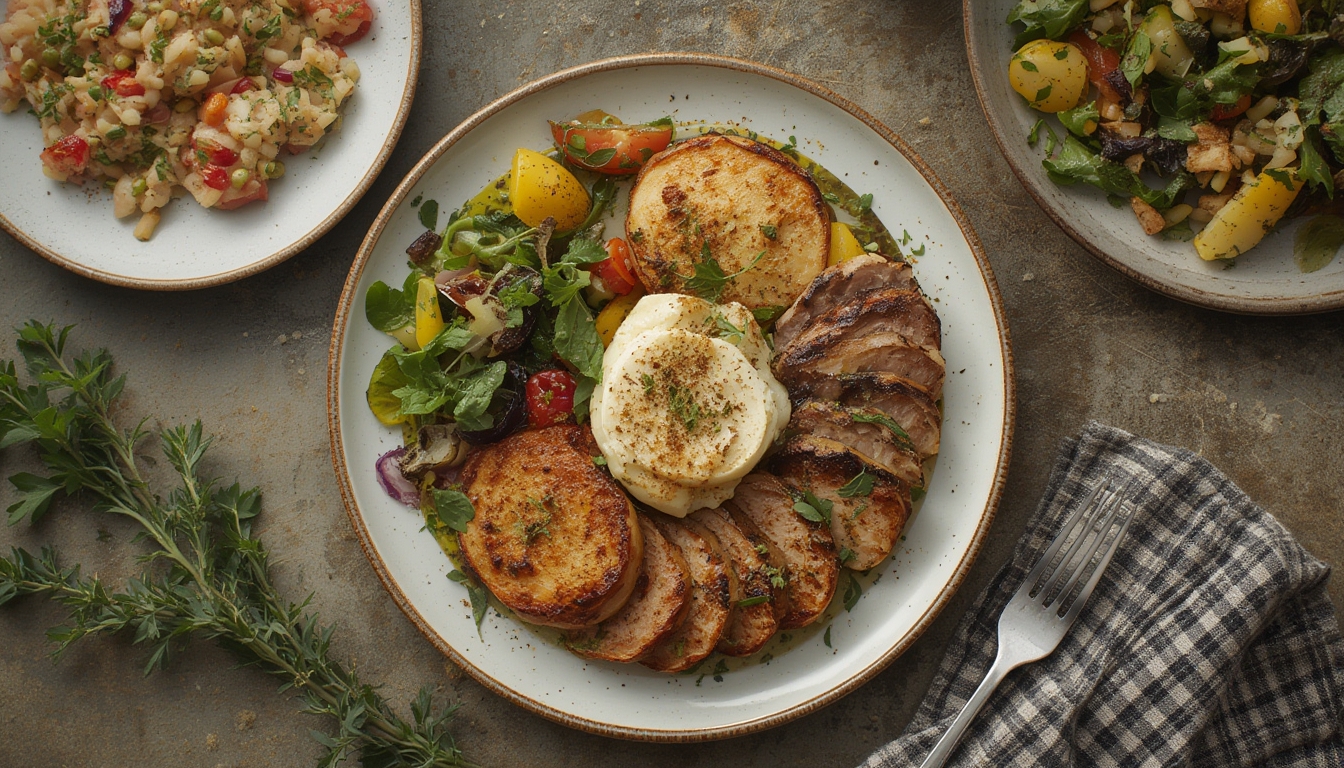
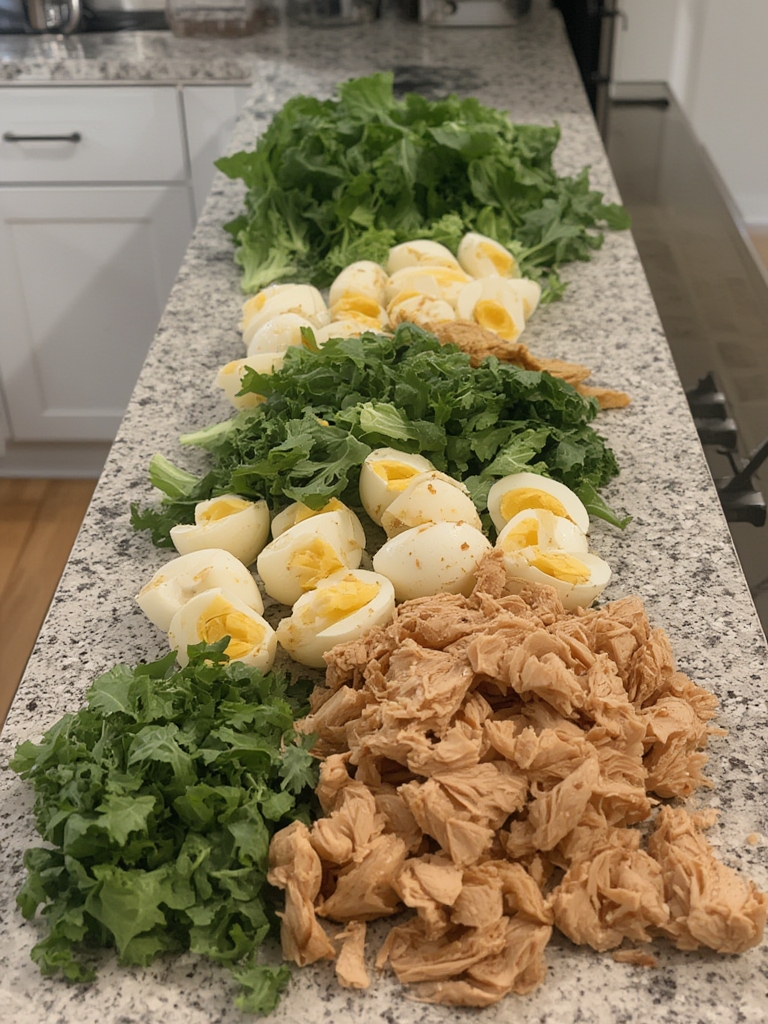
Embracing a plant‑forward and flexitarian lifestyle doesn’t mean you have to become a full‑time vegan; it simply invites more vegetables, legumes, whole grains, and nuts onto your plate while still allowing occasional animal‑based proteins. The best way to guarantee flavor, nutrition, and sustainability is to grow many of those ingredients yourself. Below is a data‑driven, step‑by‑step guide that walks you through planning, planting, caring for, and harvesting a versatile garden that fuels delicious plant‑forward and flexitarian meals.
Step 1: Choose High‑Yield, Nutrient‑Dense Crops
Research from the USDA shows that leafy greens (spinach, kale), brassicas (broccoli, cauliflower), and legumes (edamame, peas) deliver the highest micronutrient return per square foot. Prioritize these crops based on your local climate zone and the seasonality of your meals.
Actionable Tips
- Map your garden space: Use a 4‑by‑8‑foot raised bed or a series of 1‑meter square containers. Allocate 30 % to leafy greens, 30 % to brassicas, and 40 % to legumes.
- Check your hardiness zone: In zones 5‑9, broccoli and kale thrive when planted 6‑8 weeks before the last frost. In warmer zones, start these crops in late summer for a fall harvest.
- Mix colors and textures: Plant purple kale alongside green spinach to add visual appeal to your plates and boost antioxidant variety.
Step 2: Prepare Soil for Optimal Nutrient Availability
Healthy soil is the foundation of a productive plant‑forward garden. A 2019 study in Soil Biology & Biochemistry found that soils with a balanced carbon‑to‑nitrogen (C:N) ratio of 12‑15:1 support faster leaf growth and higher protein content in legumes.
Actionable Tips
- Test pH: Aim for a pH of 6.2‑6.8 for most vegetables. Amend with lime to raise pH or elemental sulfur to lower it, following the test kit instructions.
- Incorporate organic matter: Add 2‑3 inches of well‑composted manure or leaf mold. This raises the C:N ratio and improves water retention.
- Use a balanced fertilizer: A 10‑10‑10 NPK blend applied at 1 pound per 100 sq ft at planting time supplies the macro‑nutrients needed for rapid early growth.
Step 3: Seed Sowing and Transplanting
Data from the University of California Extension indicates that direct‑sowing leafy greens yields a 15 % higher germination rate than transplanting, while brassicas benefit from a two‑week indoor start.
Actionable Tips
- Direct sow greens: Scatter seeds ¼‑inch deep, cover lightly with soil, and keep the seedbed consistently moist (≈ 70 % field capacity).
- Start brassicas indoors: Use peat‑based seed trays, maintain a temperature of 65‑70 °F, and transplant seedlings when they have 2–3 true leaves.
- Plant legumes: Sow peas or edamame 1‑inch deep, spacing 2 inches apart. Provide a trellis at planting time to avoid later disturbance.
Step 4: Water Management for Consistent Growth
Research from the International Water Management Institute shows that a consistent watering schedule (watering to field capacity every 2‑3 days) reduces plant stress and improves leaf chlorophyll content by up to 12 %.
Actionable Tips
- Mulch heavily: Apply a 2‑inch layer of straw or shredded leaves to retain moisture and suppress weeds.
- Use drip irrigation: Set timers for early morning watering to minimize evaporation and fungal risk.
- Check soil moisture: Insert a finger 2 inches deep; if it feels dry, water until water runs off the bottom of the container or raised bed.
Step 5: Nutrient Boosts During the Growing Season
Leafy greens deplete nitrogen quickly, while legumes fix atmospheric nitrogen but still benefit from phosphorus and potassium for pod development. A mid‑season side‑dressing can keep yields high.
Actionable Tips
- Side‑dress greens: Apply a light layer of blood meal (½ cup per 10 sq ft) when the first true leaves appear.
- Feed legumes: Sprinkle a balanced 5‑10‑5 fertilizer at flowering to promote pod set.
- Foliar spray: A dilute sea‑weed extract (1 tsp per gallon water) sprayed weekly can increase leaf size by up to 8 %.
Step 6: Pest and Disease Management Without Chemicals
Integrated Pest Management (IPM) data suggests that physical barriers and beneficial insects reduce pest pressure by 70 % compared with conventional pesticide use.
Actionable Tips
- Row covers: Use lightweight fabric to protect seedlings from aphids and cabbage worms.
- Introduce allies: Plant marigolds and nasturtiums around the perimeter to attract predatory insects such as ladybugs and lacewings.
- Hand‑pick: Inspect leaves daily; remove any visible pests or eggs and drop them into a bucket of soapy water.
Step 7: Harvest Timing for Maximum Flavor and Nutrition
Harvest data from the University of Illinois indicates that leafy greens reach peak vitamin K content 30 days after sowing, while broccoli florets are most nutrient‑dense just before the buds begin to open.
Actionable Tips
- Leafy greens: Cut the outer leaves first, leaving the central rosette intact for continuous growth.
- Broccoli: Use a sharp knife to cut the head ½‑inch above the crown; side shoots will appear within 2 weeks for a second harvest.
- Peas/Edamame: Harvest pods when they are plump and bright green; for edamame, wait until the seeds fill the pod but remain tender (≈ 12‑14 days after flowering).
Step 8: Storing and Preparing Your Harvest for Plant‑Forward Meals
Proper storage preserves the nutritional integrity of your produce, ensuring that every plate you assemble is as vibrant as the garden it came from.
Actionable Tips
- Leafy greens: Rinse, spin dry, and store in a breathable produce bag with a paper towel to absorb excess moisture. Use within 5‑7 days.
- Broccoli: Blanch in boiling water for 2 minutes, shock in ice water, then freeze in airtight bags for up to 12 months.
- Legumes: Shell peas and freeze on a single layer before bagging; they retain texture and protein content.
Step 9: Building Plant‑Forward & Flexitarian Plates
Now that you have a steady supply of fresh, nutrient‑dense produce, it’s time to translate it into balanced meals. A data‑driven plate model suggests a 50‑30‑20 split: 50 % vegetables, 30 % whole grains or legumes, and 20 % animal protein (optional).
Actionable Tips
- Base: Toss a mix of raw spinach, kale, and shredded carrots with a lemon‑olive‑oil vinaigrette.
- Protein: Add a scoop of cooked quinoa or a handful of edamame for plant protein; top with a grilled chicken breast or a poached egg if desired.
- Flavor boosters: Sprinkle toasted pumpkin seeds, a drizzle of tahini, and a squeeze of lime for texture and depth.
By following these evidence‑backed steps, you’ll cultivate a resilient garden that continuously supplies the building blocks for vibrant plant‑forward and flexitarian plates. The result is not only a healthier diet but also a reduced carbon footprint and a deeper connection to the food you enjoy.