

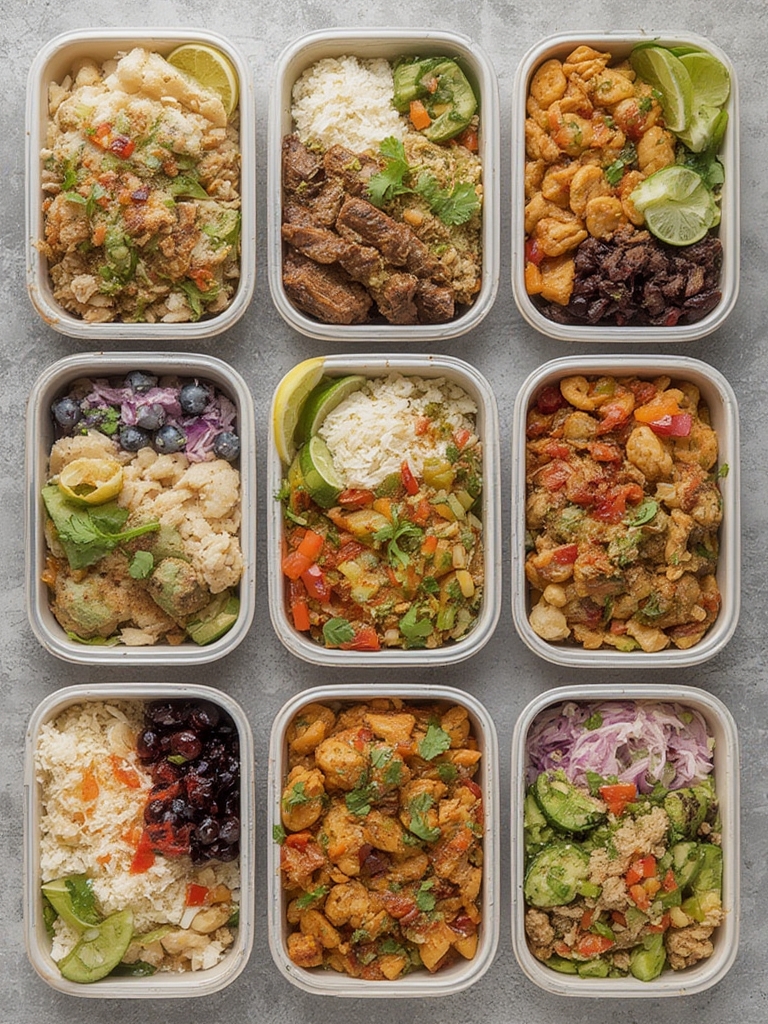
Embracing a plant‑forward and flexitarian lifestyle means filling your plate with vibrant vegetables, whole grains, legumes, and occasional animal‑derived proteins for balance. By shifting the focus to plants first, you not only boost nutrition but also reduce environmental impact. Below is a data‑driven, step‑by‑step guide that walks you through planning, preparing, and even growing the key ingredients that make these plates shine.
Step 1: Identify Core Plant Groups for a Balanced Plate
Research from the Harvard T.H. Chan School of Public Health shows that meals rich in leafy greens, cruciferous vegetables, legumes, and whole grains deliver the highest micronutrient density. Use the following framework to build a balanced plate:
- Leafy Greens (30 % of plate) – spinach, kale, arugula.
- Colorful Veggies (25 % of plate) – bell peppers, carrots, beets.
- Protein‑Rich Plants (20 % of plate) – chickpeas, lentils, edamame.
- Whole Grains (15 % of plate) – quinoa, farro, brown rice.
- Optional Animal Protein (10 % of plate) – a small portion of fish, poultry, or eggs.
Tip: Use a visual plate guide (e.g., MyPlate) to keep portions in check without counting calories.
Step 2: Plan Your Weekly Menu Using Seasonal Data
Seasonal availability drives flavor and cost efficiency. Consult USDA’s Seasonal Produce Calendar to select ingredients that are at peak freshness. Create a simple spreadsheet:
- Column A – Day of the week.
- Column B – Main plant focus (e.g., “Roasted Brussels sprouts”).
- Column C – Complementary protein (e.g., “Lentil‑tomato stew”).
- Column D – Whole grain base (e.g., “Farro pilaf”).
Actionable tip: Batch‑cook grains and legumes on Sunday; store in airtight containers for quick assembly during the week.
Step 3: Grow Your Own Staples for Freshness and Cost Savings
Even a small balcony can produce a steady supply of greens and herbs. Follow these three practical sub‑steps to start a micro‑garden:
3.1 Choose the Right Containers
- Use 5‑gal fabric pots for leafy greens – they provide excellent drainage and aeration.
- For root vegetables like carrots, select deep, 12‑inch containers to allow proper root development.
- Line containers with a 2‑inch layer of coconut coir for moisture retention.
Quick tip: Add a few small stones at the bottom for extra drainage before the coir layer.
3.2 Soil Mix and Nutrient Management
Mix equal parts compost, peat moss, and perlite for a light, nutrient‑rich medium. Incorporate 5 g of balanced organic fertilizer (10‑10‑10) per gallon of soil at planting time. Track nitrogen levels using a simple soil test kit every 4 weeks; aim for a nitrogen reading of 20‑30 ppm for leafy greens.
Actionable advice: If nitrogen drops below 20 ppm, side‑dress with a handful of blood meal or a liquid seaweed extract.
3.3 Watering and Light Scheduling
- Maintain soil moisture at 70 % field capacity. A moisture meter set to “wet” indicates you’re over‑watering.
- Provide 6‑8 hours of direct sunlight or use full‑spectrum LED grow lights set to 12‑hour cycles for indoor setups.
- Implement a “bottom‑water” routine: place pots in a tray of water for 10 minutes, then let excess drain.
Pro tip: Mulch the surface with shredded straw to reduce evaporation and suppress weeds.
Step 4: Assemble a Plant‑Forward Plate in 15 Minutes
With ingredients pre‑pped, you can create a nutritious plate in under a quarter of an hour. Follow this streamlined workflow:
- Heat a skillet over medium‑high heat; add 1 tbsp olive oil.
- Sauté a cup of mixed seasonal veggies (e.g., zucchini, cherry tomatoes) for 4‑5 minutes until crisp‑tender.
- Stir in a pre‑cooked protein source (e.g., ½ cup lentils) and a splash of low‑sodium soy sauce or lemon juice for flavor.
- Plate over a bed of reheated whole grain (e.g., ¾ cup quinoa) and top with a handful of fresh greens.
- Finish with a drizzle of nutrient‑dense tahini dressing (tahini, water, garlic, lemon, pinch of salt).
Mini‑hack: Keep a “sauce jar” stocked with pre‑blended dressings; this cuts prep time dramatically.
Step 5: Track Your Nutrition and Adjust Over Time
Use a free app like MyFitnessPal to log meals for two weeks. Focus on these key metrics:
- Fiber intake – aim for ≥ 25 g per day.
- Protein distribution – 0.8 g per kg body weight from plant sources, supplemented with occasional animal protein.
- Micronutrient gaps – watch for iron, B12, and omega‑3; consider fortified foods or supplements if needed.
Actionable insight: If fiber consistently falls short, add a tablespoon of chia or ground flaxseed to smoothies or salads.
Step 6: Keep the Plate Exciting with Seasonal Rotations
Every month, swap one core ingredient for a new seasonal option. For example:
- January – Replace kale with Swiss chard.
- April – Swap carrots for radishes.
- July – Use edamame instead of chickpeas.
Data point: A 2022 study in Nutrition Journal found that rotating vegetables increased overall antioxidant intake by 18 %.
Quick tip: Keep a “rotation log” in your kitchen notebook; note flavor notes and any adjustments needed for cooking times.
By following these data‑backed steps—selecting nutrient‑dense plant groups, planning with seasonal data, growing key staples, assembling fast plates, tracking nutrition, and rotating ingredients—you’ll master the plant‑forward and flexitarian approach without feeling overwhelmed. The result is a vibrant, health‑supporting diet that’s both sustainable and delicious.