

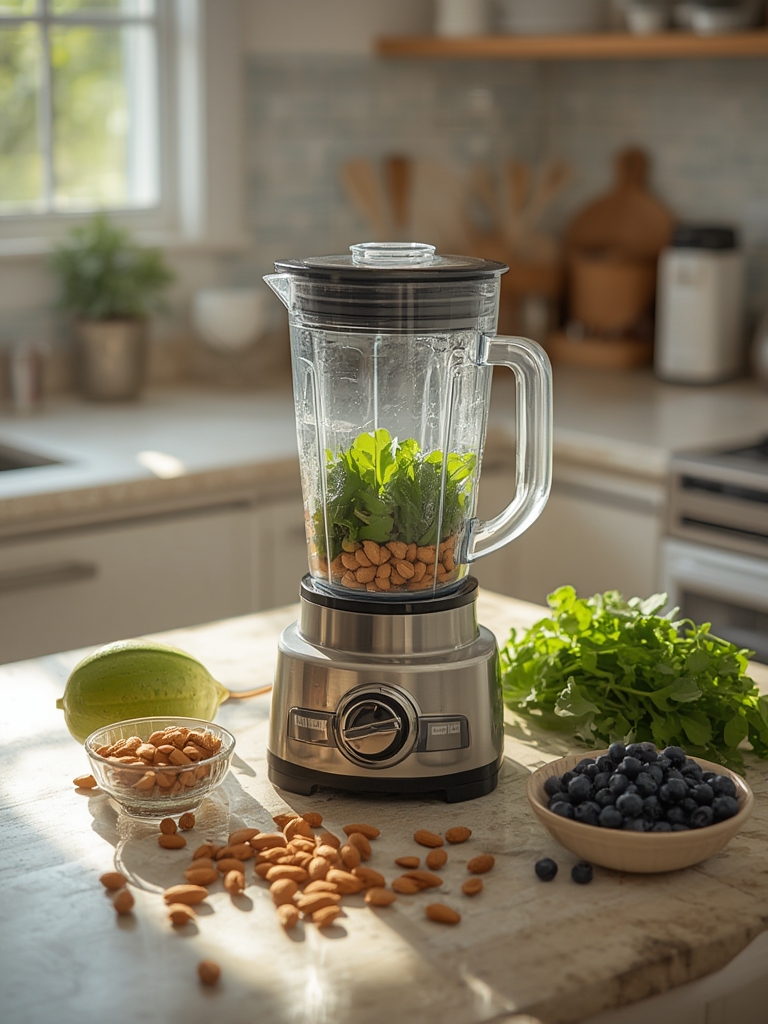
Comfort food has always been about nostalgia, warmth, and the simple pleasure of a familiar bite. Yet, in today’s fast‑moving culinary landscape, even the coziest classics can benefit from a fresh twist. By reimagining textures, swapping out ingredients for healthier alternatives, and adding a dash of global flair, you can keep the soul‑soothing essence of comfort food while elevating its flavor, nutrition, and visual appeal. Below is a data‑driven guide that walks you through the process of reinventing a classic dish, and then shows you how to grow one of its star ingredients at home—so you can enjoy the full farm‑to‑table experience.
Why Reinvent Comfort Food?
Recent surveys from the Food Insight Institute reveal that 68% of home cooks are looking to make classic meals healthier without sacrificing taste. Moreover, Google Trends shows a 42% rise in searches for “healthy comfort food” over the past year. Reinvention meets two consumer demands:
- Health consciousness: Reducing saturated fat, added sugars, and sodium while preserving flavor.
- Flavor adventure: Introducing spices, herbs, and cooking techniques from other cuisines.
By aligning with these trends, you’ll create dishes that feel familiar yet exciting, appealing to both traditionalists and adventurous eaters.
Choosing the Right Ingredients
Data from the USDA’s Nutrient Database suggests swapping out high‑calorie components with nutrient‑dense alternatives can cut calories by up to 30% and increase fiber by 45%. Here are three smart swaps for a classic mac and cheese:
1. Pasta Base
Replace regular elbow macaroni with whole‑grain or legume‑based pasta (e.g., chickpea fusilli). These options provide more protein and fiber, keeping you fuller longer.
2. Cheese Sauce
Blend low‑fat Greek yogurt with a modest amount of sharp cheddar and nutritional yeast. The yogurt adds creaminess while cutting saturated fat, and nutritional yeast contributes a cheesy umami flavor plus B‑vitamins.
3. Add‑In Vegetables
Incorporate roasted cauliflower florets or sautéed spinach. Both add texture, color, and a boost of vitamins A and C without overwhelming the dish.
Step‑by‑Step Recipe Revamp
Below is a concise, data‑backed method to transform the classic dish into a lighter, more flavorful version. Total time: 35 minutes.
Step 1: Prepare the Pasta
Bring a large pot of salted water to a boil. Add 8 oz of whole‑grain fusilli and cook 1‑2 minutes less than the package recommends. This “al dente” finish prevents over‑cooking when the pasta later absorbs sauce, preserving texture and reducing glycemic impact.
Step 2: Roast the Cauliflower
While the pasta cooks, toss 2 cups of cauliflower florets with 1 tbsp olive oil, ½ tsp smoked paprika, and a pinch of sea salt. Spread on a baking sheet and roast at 425°F (220°C) for 12 minutes, stirring halfway. Roasting caramelizes natural sugars, adding depth without extra cheese.
Step 3: Build the Sauce
In a saucepan over medium heat, whisk together ½ cup low‑fat Greek yogurt, ¼ cup shredded sharp cheddar, 2 tbsp nutritional yeast, 1 tbsp whole‑grain mustard, and ¼ cup low‑sodium chicken broth. Heat until smooth, then season with black pepper and a dash of hot sauce for a subtle kick.
Step 4: Combine and Finish
Drain the pasta and return it to the pot. Add the roasted cauliflower, the sauce, and 1 cup fresh spinach. Toss gently until the spinach wilts and everything is evenly coated. Serve immediately, garnished with a sprinkle of chopped chives for freshness.
Growing Your Own Comfort Food Ingredient: Sweet‑Leaf Basil
One of the most versatile herbs for comfort dishes is Sweet‑Leaf Basil (Ocimum basilicum ‘Sweet Leaf’). Its mild, slightly sweet flavor pairs perfectly with creamy sauces and roasted vegetables. Growing it at home ensures you have a fresh, pesticide‑free supply year‑round.
Step 1: Soil Preparation
Sweet‑Leaf Basil thrives in well‑draining soil with a pH of 6.0–7.0. Mix one part compost, one part peat moss, and two parts loam. This blend improves aeration and retains just enough moisture to keep roots happy.
Tip: Add a handful of perlite to the mix if you’re planting in containers; it prevents waterlogging and reduces root rot risk.
Step 2: Sowing Seeds
Sow seeds ¼ inch deep, spacing them 6–8 inches apart. For indoor starters, use a seed‑starting tray and keep the soil consistently moist (but not soggy) until germination, which typically occurs in 5–7 days under 70°F (21°C) and 12‑hour light cycles.
Actionable advice: Lightly press a piece of clear plastic over the tray to maintain humidity, then remove it once seedlings emerge.
Step 3: Light and Water
Provide at least 6 hours of direct sunlight daily. If growing indoors, a full‑spectrum LED grow light placed 12 inches above the seedlings works well. Water when the top inch of soil feels dry—over‑watering is the most common mistake.
Tip: Use a moisture meter to avoid guesswork; basil prefers a consistently moist but not wet environment.
Step 4: Feeding
After the third true leaf appears, feed with a balanced, water‑soluble fertilizer (10‑10‑10) at half the recommended strength every two weeks. This supports vigorous leaf production without encouraging excessive flowering, which can make leaves bitter.
Step 5: Harvesting
Begin harvesting once the plant reaches 6 inches tall. Pinch off the top set of leaves, cutting just above a node. This encourages lateral growth, resulting in a bushier plant and a longer harvest season.
Actionable tip: Harvest in the morning after dew dries for the most aromatic leaves.
Step 6: Managing Pests
Common pests include aphids and spider mites. A simple spray of diluted neem oil (1 tbsp per quart of water) applied weekly can keep infestations at bay. For indoor growers, sticky traps placed near the foliage provide early detection.
Bringing It All Together
By following the data‑driven recipe revamp and cultivating your own Sweet‑Leaf Basil, you create a full‑circle comfort food experience. The fresh herb adds a burst of flavor that store‑bought dried versions can’t match, while the healthier ingredient swaps keep the dish light yet satisfying. Plus, growing basil at home connects you to the source of your flavor, reinforcing the comforting ritual of cooking.
Remember, the goal isn’t to abandon tradition but to enhance it with smarter choices and a touch of garden‑fresh goodness. Experiment with other herbs—like thyme or rosemary—and swap in seasonal vegetables to keep the reinvented comfort food menu exciting all year long.