
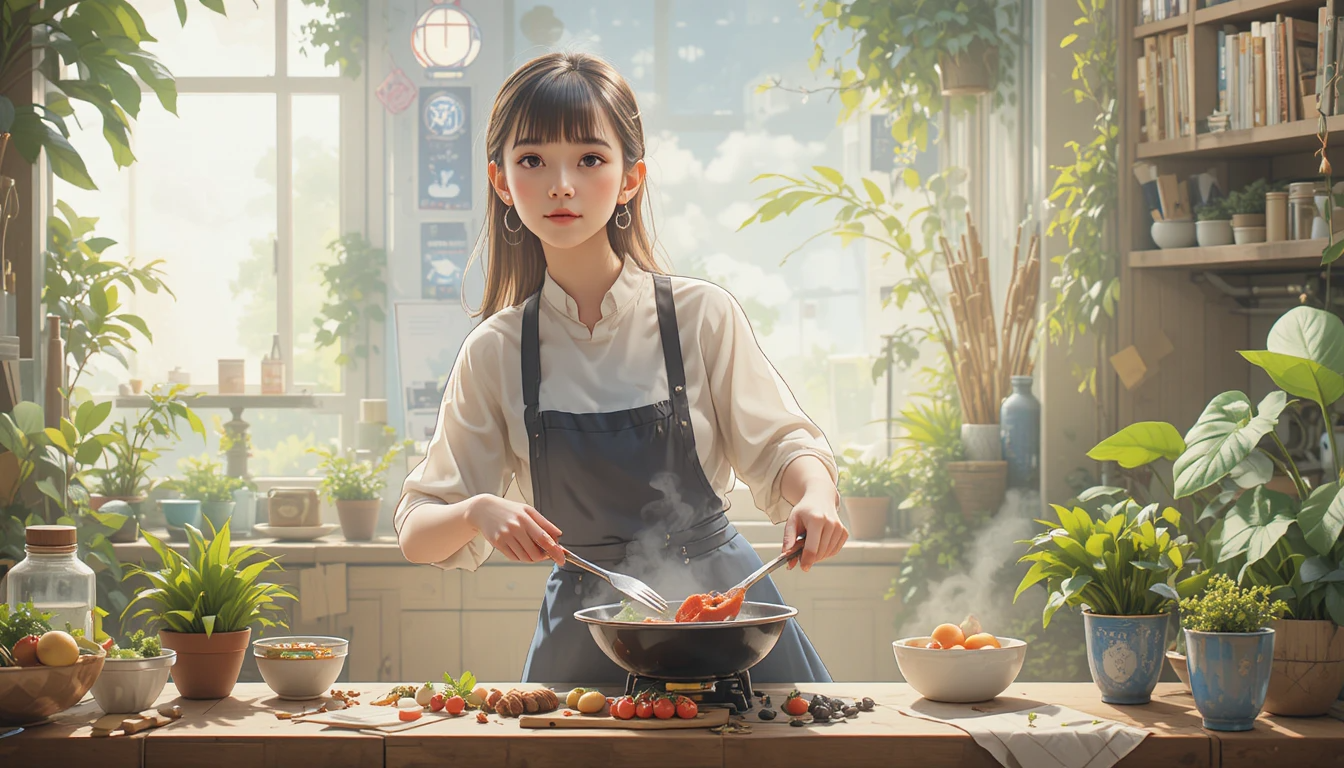
In the fast-paced world of 2025, modern cooking has transcended mere meal preparation to become a fusion of art, science, technology, and sustainability. What was once a survival skill has evolved into a global phenomenon influenced by cultural exchanges, environmental concerns, and innovative tools. As we navigate a post-pandemic era where home cooking surged in popularity, chefs and home cooks alike are embracing trends that prioritize health, efficiency, and ethical sourcing. This blog post dives deep into the heart of modern cooking, exploring its historical roots, current trends, essential gadgets, groundbreaking techniques like molecular gastronomy, and glimpses into the future.
Modern cooking isn’t just about following recipes; it’s about reimagining them. With the rise of social media platforms like TikTok and Instagram, viral food hacks and aesthetic plating have democratized gourmet experiences. According to recent forecasts, 2025 sees a blend of nostalgic revivals—like updated soul food—with cutting-edge elements such as AI-assisted meal planning and plant-based innovations. This shift reflects broader societal changes: a growing awareness of climate impact, the integration of smart tech in kitchens, and a desire for personalized, healthful eating.
Consider the average kitchen today: equipped with voice-activated appliances, it’s a far cry from the open fires of our ancestors. Yet, this evolution builds on centuries of progress, from the invention of pottery for boiling to electric stoves that enabled precise control. As we delve deeper, we’ll uncover how these advancements have shaped what we eat and how we prepare it. Whether you’re a seasoned chef or a novice experimenting with air fryers, understanding modern cooking empowers you to create meals that are not only delicious but also mindful of the planet and your well-being.
This comprehensive guide aims to inspire you to rethink your culinary habits. From sustainable practices that reduce waste to fusion cuisines that blend global flavors, modern cooking is accessible, exciting, and ever-evolving. Let’s embark on this flavorful journey.
The Evolution of Cooking Techniques
The story of cooking is intrinsically linked to human evolution, marking pivotal moments in our species’ development. Archaeological evidence suggests that controlled fire use dates back over a million years, with Homo erectus likely roasting meats to make them more digestible and nutritious. This simple act—applying heat to food—unlocked calories, reduced pathogens, and fostered social gatherings around hearths, laying the foundation for communal dining.
As civilizations advanced, so did techniques. Ancient Egyptians and Mesopotamians introduced baking in clay ovens, while the Romans perfected fermentation for bread and wine. The expansion of trade routes during the Age of Exploration brought spices, ingredients, and methods from afar, enriching palettes worldwide. For instance, the introduction of New World crops like potatoes and tomatoes revolutionized European cuisine.
The Industrial Revolution accelerated change with inventions like the gas stove in the 19th century and electric appliances in the 20th. These provided consistent heat, enabling techniques such as sautéing, simmering, and baking with precision. Preservation methods evolved too: canning and refrigeration extended shelf life, reducing waste and allowing year-round access to seasonal produce.
In the 20th century, scientific understanding deepened culinary arts. The Maillard reaction—browning that enhances flavor through heat-induced chemical changes—became a cornerstone of modern techniques. Chefs like Auguste Escoffier formalized French methods, emphasizing stocks, sauces, and efficiency, influencing professional kitchens globally.
Post-World War II, convenience drove innovation. Microwaves, introduced in the 1950s, revolutionized quick heating, while blenders and food processors automated prep work. The late 20th century saw the rise of molecular gastronomy, pioneered by figures like Ferran Adrià and Heston Blumenthal, who applied physics and chemistry to create foams, spheres, and gels. This marked a shift from traditional empiricism to scientific experimentation.
Today, technology integrates seamlessly. Sous-vide cooking, where food is vacuum-sealed and immersed in precisely controlled water baths, ensures even doneness without overcooking. Air frying uses convection to mimic deep-frying with less oil, promoting healthier options. Cultural fusion has also evolved techniques; for example, Asian stir-frying meets Western grilling in hybrid dishes.
Sustainability has reshaped practices. Nose-to-tail cooking minimizes waste by using entire animals, while fermentation—revived from ancient roots—preserves vegetables and boosts gut health. Digital tools like apps track carbon footprints, encouraging eco-friendly choices.
The evolution reflects human ingenuity: from survival to sophistication, cooking techniques adapt to societal needs, blending tradition with innovation for a flavorful future.
Key Trends in Modern Cooking
2025’s culinary landscape is vibrant, driven by health, ethics, and tech. Here’s a breakdown of top trends, substantiated by industry insights.
| Trend | Description | Key Examples | Impact |
|---|---|---|---|
| Sustainable Sourcing | Emphasis on local, seasonal, and low-impact ingredients to reduce environmental footprint. | Farm-to-table movements, zero-waste kitchens using scraps for stocks. | Reduces food miles; promotes biodiversity. |
| Plant-Based Innovation | Rise in vegan and flexitarian diets with meat alternatives. | Lab-grown proteins, mushroom-based “meats,” and dairy-free cheeses. | Health benefits; lower emissions. |
| Global Fusion | Blending cuisines for novel flavors. | Korean-Mexican tacos, Indian-Italian pasta. | Cultural exchange; creativity. |
| Tech-Integrated Cooking | Smart appliances and AI for precision. | App-controlled ovens, recipe-suggesting fridges. | Efficiency; personalization. |
| Spicy and Bold Flavors | Surge in heat-infused dishes. | Hot honey drizzles, spicy chips. | Sensory excitement; global influence. |
| Nostalgic Revivals | Modern twists on classics. | Updated soul food with gourmet elements. | Comfort with innovation. |
| Health-Focused Fermentation | Probiotic-rich foods for gut health. | Kimchi, kombucha variations. | Wellness boost; preservation. |
| Cold Brew and Infusions | Non-alcoholic beverages with complex profiles. | Herb-infused cold coffees. | Refreshing alternatives. |
Sustainability leads, with chefs adopting regenerative agriculture and upcycling. For instance, restaurants repurpose vegetable peels into crisps, cutting waste by up to 30%.
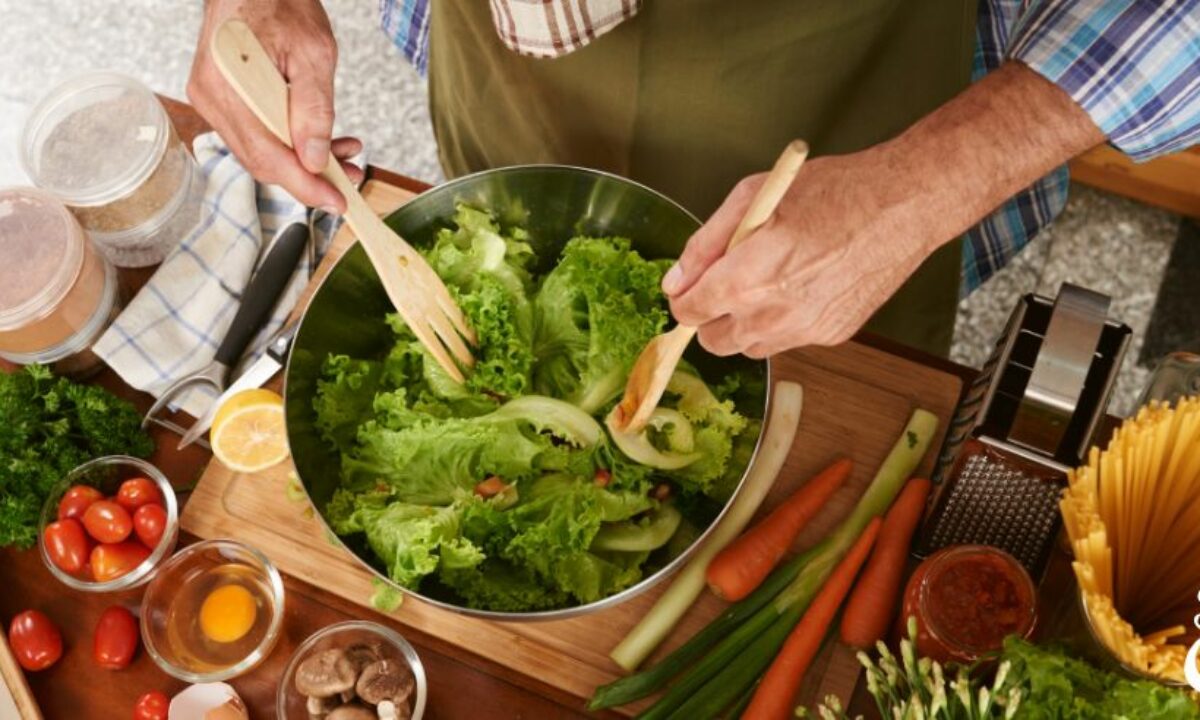
cookingenie.com
Sustainable Cooking: Techniques and Benefits You Need to Know
Plant-based trends explode, with 2025 seeing more hybrid menus. Innovations like pea-protein burgers mimic beef’s texture, appealing to omnivores.
Fusion cuisine thrives on migration and globalization. Examples include sushi burritos or Thai-inspired pizzas, blending textures and spices for unexpected delights.
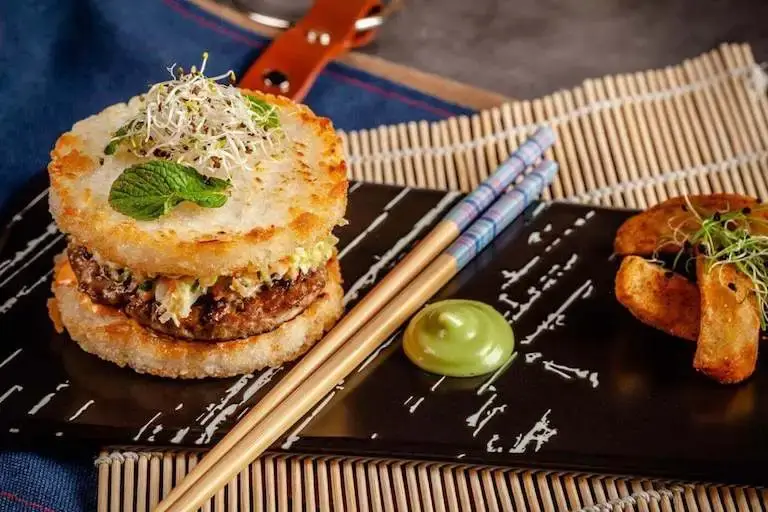
escoffier.edu
.jpg)
cuboh.com
Technology transforms kitchens: AI apps analyze pantries for recipes, while robotic arms assist in prep. Spicy trends, influenced by Asian and Latin flavors, see hot honey in everything from pizzas to cocktails.
Nostalgia revives soul food with modern health twists, like gluten-free cornbread. Fermentation gains for its probiotic perks, with home kits making it accessible.
These trends reflect a conscious, adventurous approach to eating.
Modern Kitchen Gadgets and Appliances
Modern kitchens are tech hubs, with gadgets enhancing efficiency and creativity.
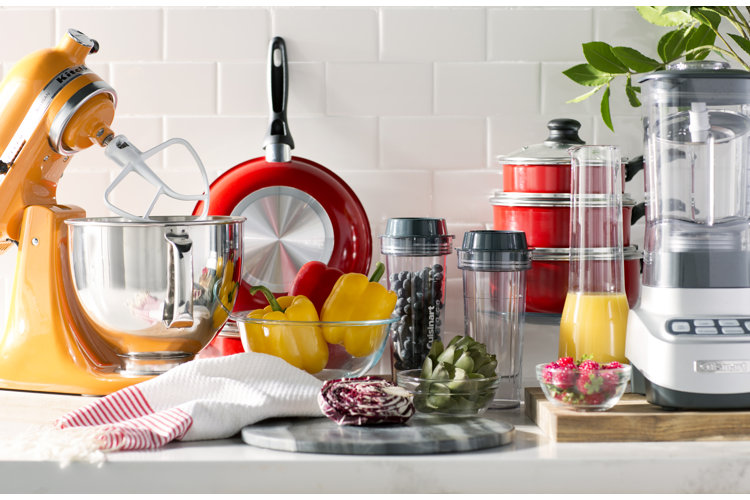
Smart refrigerators track expiration dates and suggest recipes via apps. Induction cooktops heat precisely, saving energy.
Air fryers, using hot air circulation, cut oil use by 75% for crispy results. Multi-cookers like Instant Pots combine pressure cooking, slow cooking, and yogurt-making in one device.

kartikmehtablog.com
wayfair.com

decorilla.com
Sous-vide circulators maintain exact temperatures for tender meats. Blenders with AI adjust speeds for smoothies or soups.
Sustainability-focused gadgets include composters that turn scraps into fertilizer overnight. Voice assistants like Alexa integrate, controlling ovens hands-free.
These tools democratize advanced cooking, making gourmet meals achievable at home.
Molecular Gastronomy and Innovative Dishes
Molecular gastronomy merges science with cuisine, creating surreal experiences. Techniques like spherification encase liquids in edible membranes, as in olive spheres.
Foams add lightness, while gels provide unique textures. Chefs use liquid nitrogen for instant freezing, yielding creamy sorbets.
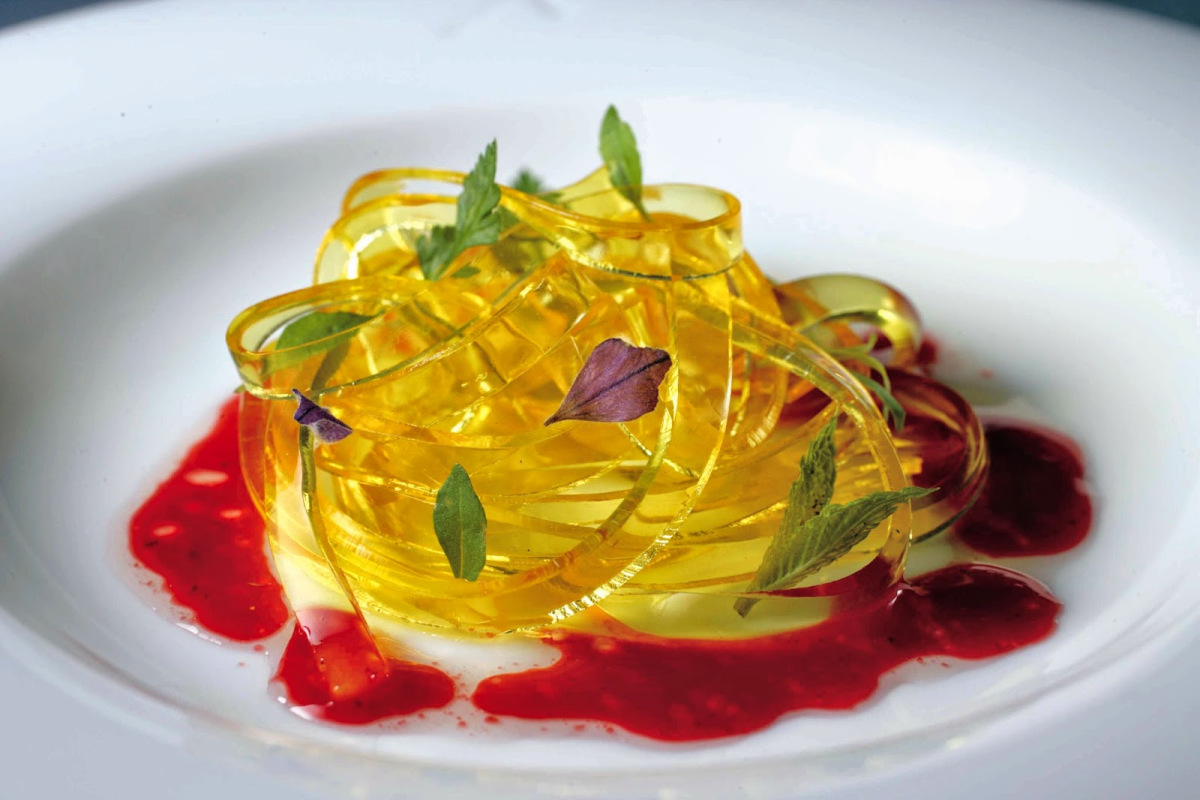
bibalex.org
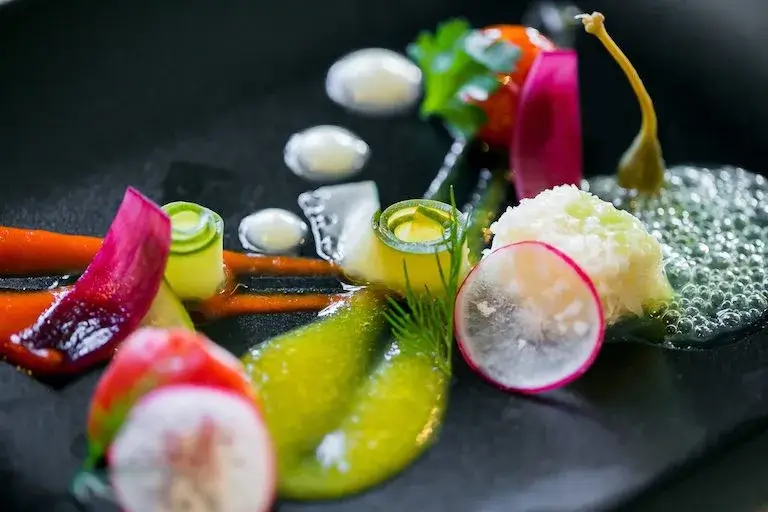
escoffier.edu
Influenced by physicists like Nicholas Kurti, it challenges perceptions—think bacon ice cream or edible cocktails. Home kits make it accessible, fostering experimentation.
This field pushes boundaries, blending flavors in unexpected ways.
The Future of Cooking
Looking ahead, 3D food printers could customize nutrition, printing pasta or chocolates on demand. Lab-grown meats promise ethical protein without farming impacts.
AI will predict preferences, automating meal prep. Vertical farming ensures fresh produce in urban areas.
Sustainability will dominate, with biodegradable packaging and water-efficient appliances. Virtual reality could simulate global cooking classes.
Challenges include accessibility, but innovations aim for inclusivity.
Conclusion
Modern cooking encapsulates human progress: from ancient fires to AI kitchens, it’s a testament to adaptability. Embracing trends like sustainability and fusion enriches our lives. As we cook mindfully, we nourish bodies and communities. Experiment, innovate, and savor the journey— the kitchen is your canvas.