

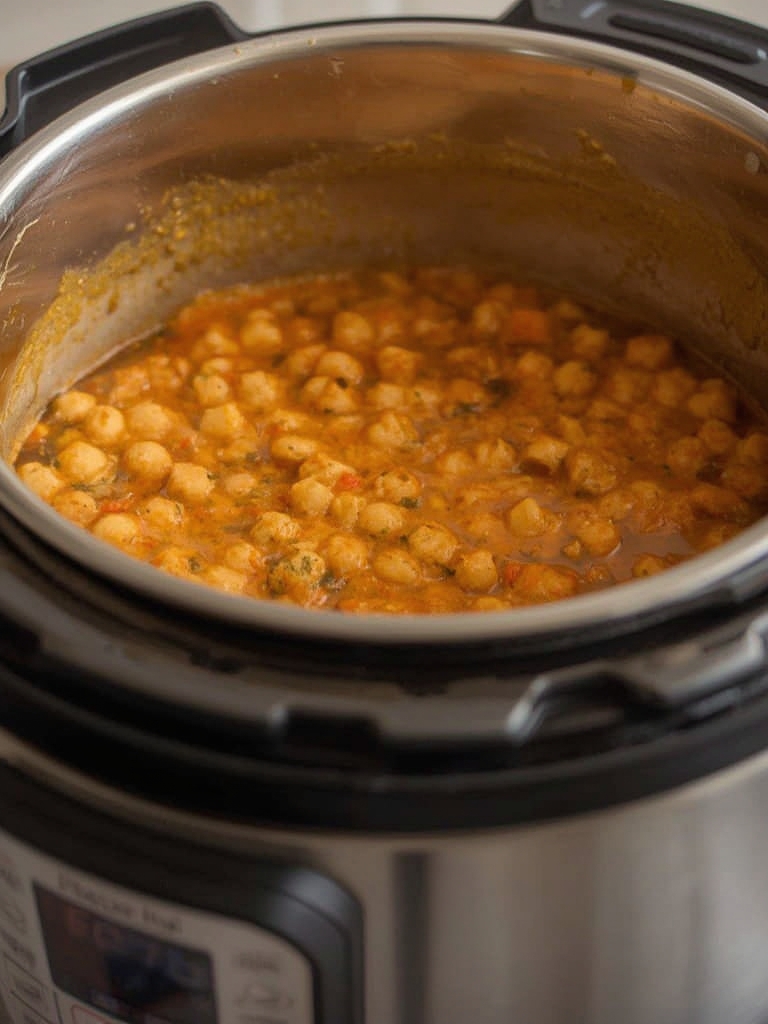
Cooking at home can feel like a juggling act—balancing flavor, nutrition, time, and energy costs. By integrating data‑driven kitchen hacks and smart cooking techniques, you can streamline every meal, reduce waste, and enjoy consistently delicious results. Below are practical, step‑by‑step methods that turn everyday cooking into a predictable, efficient process.
Smart Meal Planning with Data Insights
1. Analyze Your Weekly Consumption
Start by tracking what you eat for a week. Use a simple spreadsheet or a free app to log each meal, noting the main protein, vegetables, and carbs. Identify patterns—e.g., you use chicken three times, but only one type of grain.
2. Create a Rotating Menu
Based on the data, build a 4‑week rotating menu that maximizes ingredient overlap. For example, plan a stir‑fry on Monday, a soup on Wednesday, and a casserole on Friday, all using the same batch of diced carrots and onions. This reduces grocery trips and cuts spoilage.
3. Batch‑Cook Core Components
Allocate 1–2 hours on the weekend to prepare staples: cook a large pot of quinoa, roast a tray of mixed root vegetables, and grill a batch of chicken breasts. Store each in airtight containers, labeling with the date. When a recipe calls for these items, you simply reheat or combine, saving 15–30 minutes per meal.
Time‑Saving Prep Techniques
1. Use the “Two‑Minute Rule” for Mise en Place
Set a timer for two minutes per ingredient. While the timer runs, quickly wash, trim, and portion the item. This creates a rhythm that prevents lingering over a single task and keeps the prep line moving.
2. Leverage the Power of the Food Processor
Instead of hand‑chopping, pulse herbs, nuts, or garlic in a processor for 5–10 seconds. For larger batches, use the “pulse‑and‑store” method: process a cup of fresh herbs, spread them on a parchment sheet, freeze, and transfer to a zip‑top bag. You’ll have ready‑to‑use flavor packs for weeks.
3. Pre‑Season and Marinate in Bulk
Combine a basic marinade—olive oil, acid (lemon juice or vinegar), salt, and a spice blend—in a large resealable bag. Add up to 2 kg of protein, seal, and massage. Refrigerate for at least 30 minutes or overnight. This not only infuses flavor but also reduces cooking time because the meat stays moist.
Energy‑Efficient Cooking Methods
1. Optimize Heat Transfer with Lids
When simmering soups or stews, keep the lid on 80 % of the time. This retains heat, cuts cooking time by up to 25 %, and uses less gas or electricity. Remove the lid only to reduce liquid or achieve a desired consistency.
2. Use the “Cold‑Start” Technique for Pasta
Place dry pasta in a pot, cover with cold water, add a pinch of salt, and bring to a boil. The gradual temperature increase prevents sticking and reduces the need for stirring, saving both time and energy.
3. Harness Residual Heat
After sautéing vegetables, turn off the burner and cover the pan for 2–3 minutes. The residual heat finishes cooking without additional fuel. This is especially effective for delicate greens that can overcook quickly.
Ingredient Preservation Hacks
1. Extend Fresh Herb Life with a Water Jar
Trim the stems of herbs like basil, parsley, or cilantro, place them in a jar with an inch of water, and loosely cover with a plastic bag. Store in the fridge; herbs stay crisp for up to 10 days, reducing waste.
2. Freeze Cooked Grains in Portion‑Sized Bags
Lay cooked quinoa or rice on a baking sheet, freeze until solid, then transfer to zip‑top bags in ½‑cup portions. This prevents clumping and allows you to grab exactly what you need, cutting reheating time to under 2 minutes in the microwave.
3. Use a Vacuum Sealer for Bulk Meat
Divide large cuts of meat into meal‑size portions, vacuum seal, and freeze. The airtight environment prevents freezer burn and keeps flavor intact for up to 12 months, giving you ready‑to‑cook proteins whenever you need them.
Cleaning & Maintenance Shortcuts
1. Clean While You Cook
As soon as a pot or pan finishes its task, fill it with hot, soapy water and let it soak while you finish the next step. This prevents food from drying onto surfaces, making later scrubbing effortless.
2. Use Baking Soda for Stubborn Stains
Sprinkle baking soda on a damp sponge and gently scrub burnt-on residue on stainless steel or cast iron. The mild abrasive lifts stains without damaging the surface, and the natural deodorizing property leaves a fresh scent.
3. Maintain Sharp Knives with a Honing Steel
Before each cooking session, run your knives through a honing steel at a 15‑degree angle, 5–6 strokes per side. A sharp knife speeds up prep, reduces accidents, and ensures cleaner cuts that preserve vegetable texture.
By integrating these data‑driven hacks into your routine, you’ll notice measurable improvements: fewer grocery trips, lower energy bills, and consistently better‑tasting meals. The key is consistency—track results, tweak the process, and let the kitchen work smarter, not harder.