
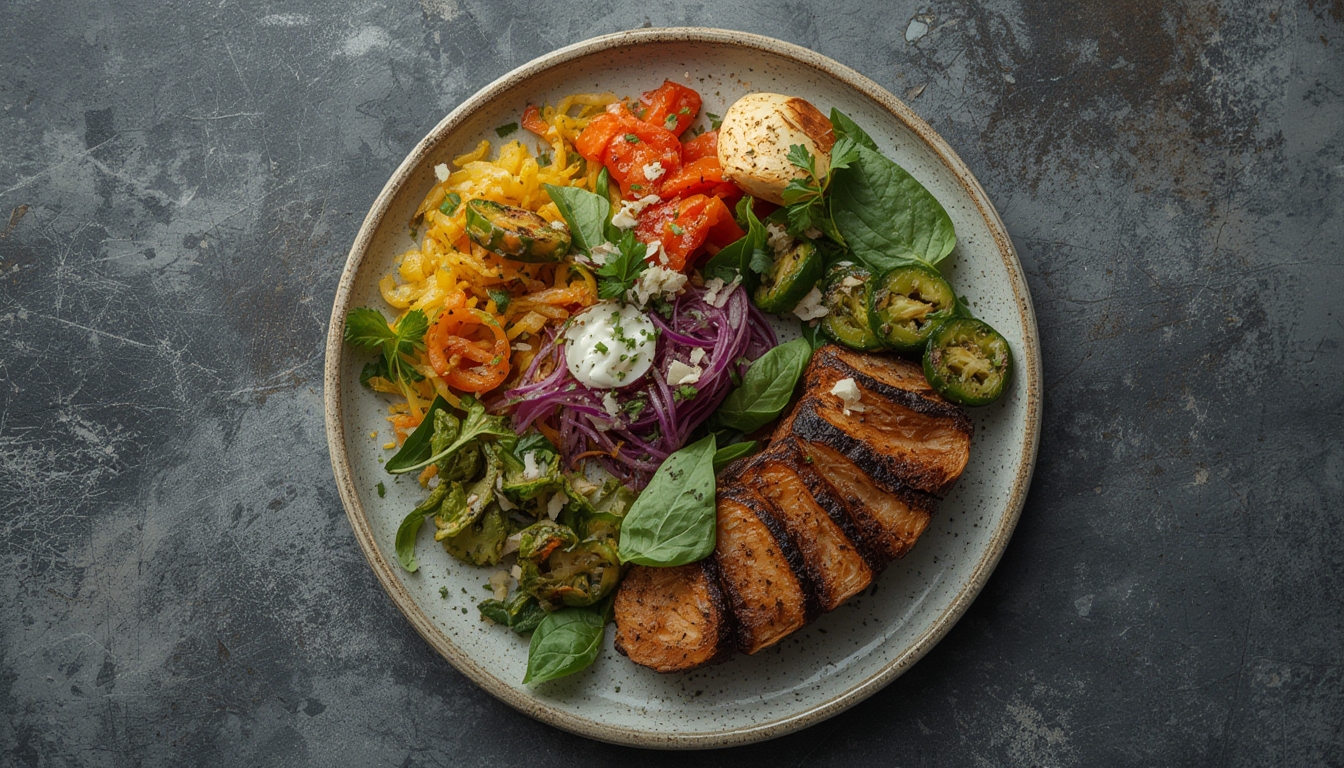
Embracing a plant‑forward and flexitarian lifestyle means filling your plate with vibrant, nutrient‑dense foods while still enjoying the occasional animal protein. The key to success is not just what you eat, but how you source, grow, and prepare those plant ingredients. Below is a step‑by‑step guide that walks you through selecting, planting, caring for, and transforming a variety of versatile crops into delicious flexitarian meals. Follow each actionable tip to ensure a thriving garden and a plate that bursts with flavor.
1. Choose the Right Crops for a Plant‑Forward Plate
Assess Your Climate and Space
- Know your hardiness zone. Use a local gardening map to determine which vegetables and herbs will thrive year‑round.
- Measure your garden area. Whether you have a balcony, raised beds, or a full backyard, match crop size to available space.
- Plan for succession planting. Stagger sowing dates every 2‑3 weeks to ensure a continuous harvest.
Pick Versatile, Nutrient‑Rich Varieties
- Leafy greens: kale, Swiss chard, and arugula provide iron, calcium, and antioxidants.
- Legumes: snap peas, edamame, and lentils add protein and fiber.
- Root vegetables: carrots, beets, and radishes bring natural sweetness and color.
- Herbs: basil, cilantro, and mint elevate flavor without extra calories.
2. Prepare the Soil for Optimal Growth
Test and Amend the Soil
- Conduct a simple pH test. Aim for a pH of 6.0–7.0 for most vegetables.
- Add organic matter. Incorporate 2–3 inches of compost to improve texture and nutrient retention.
- Use balanced fertilizer. A 10‑10‑10 granular blend applied at planting time supplies nitrogen, phosphorus, and potassium.
Set Up Raised Beds or Containers
- Build raised beds 12‑18 inches deep. This promotes drainage and warms the soil faster in spring.
- Choose breathable containers. Terracotta or fabric pots prevent waterlogging for herbs and small greens.
- Line with mulch. A 2‑inch layer of straw or shredded leaves conserves moisture and suppresses weeds.
3. Planting Techniques for a Bountiful Harvest
Sowing Seeds Directly
- Follow seed depth guidelines. Generally, plant seeds at a depth of twice their diameter.
- Space rows 12–18 inches apart. This provides room for air circulation and easy harvesting.
- Water gently. Use a fine mist to settle soil without displacing seeds.
Transplanting Seedlings
- Harden off seedlings. Over 5‑7 days, gradually expose them to outdoor conditions to reduce transplant shock.
- Plant at the same depth as in the seed tray. This protects the root crown and encourages strong growth.
- Water in a “soak‑then‑wait” pattern. Give a deep soak, then allow the top inch of soil to dry before the next watering.
4. Ongoing Care: Watering, Feeding, and Pest Management
Smart Watering Practices
- Water early in the morning. This reduces evaporation and limits fungal growth.
- Use drip irrigation or soaker hoses. Direct water to the root zone, saving up to 30% of water compared to overhead sprinklers.
- Check soil moisture. Insert a finger 2 inches deep; if it feels dry, water thoroughly.
Feeding for Continuous Growth
- Side‑dress with compost tea. Apply a diluted solution (1:10) every 2 weeks to boost microbial activity.
- Apply a light foliar spray of seaweed extract. This provides micronutrients that enhance leaf color and resilience.
- Rotate crops annually. Move nitrogen‑fixing legumes to a new bed each season to replenish soil fertility.
Natural Pest Control
- Introduce beneficial insects. Ladybugs and lacewings prey on aphids and caterpillars.
- Use homemade neem oil spray. Mix 1 tablespoon of neem oil with 1 quart of water and a few drops of dish soap; apply weekly.
- Employ physical barriers. Row covers or garden fleece protect seedlings from beetles without chemicals.
5. Harvesting at Peak Flavor
Timing Your Harvest
- Leafy greens: Cut outer leaves when they reach 4–6 inches tall; this encourages new growth.
- Legumes: Pick pods when they are firm and bright, usually 55–70 days after planting.
- Root vegetables: Harvest carrots and beets when they reach 1–2 inches in diameter for optimal sweetness.
- Herbs: Snip stems just before flowering for the most concentrated oils.
Handling and Storage
- Rinse gently with cool water. Pat dry with a clean towel to prevent bruising.
- Store greens in a perforated bag. This maintains humidity while allowing airflow, extending freshness up to 10 days.
- Freeze legumes in blanching water. Boil for 2 minutes, shock in ice water, then freeze in airtight bags for up to 6 months.
6. Transforming Fresh Produce into Plant‑Forward & Flexitarian Plates
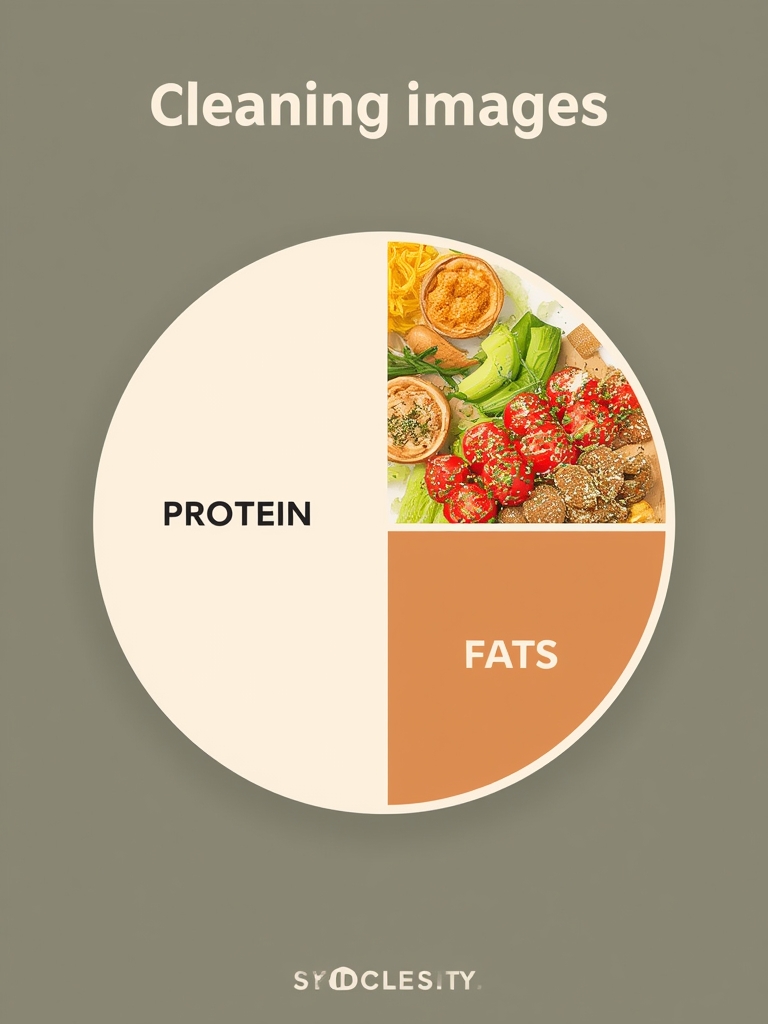
Build a Balanced Plate
- Half the plate: colorful vegetables. Combine raw arugula, roasted beets, and sautéed kale for texture and nutrients.
- Quarter the plate: protein source. Add a serving of edamame, lentil salad, or a modest portion of grilled fish or poultry for flexitarian flexibility.
- Quarter the plate: whole grains or starchy veg. Quinoa, farro, or sweet potato cubes provide sustained energy.
Quick, Flavor‑Boosting Techniques
- Roast for caramelization. Toss carrots and beets with olive oil, salt, and a pinch of smoked paprika; roast at 425°F for 20‑25 minutes.
- Make a herb‑rich vinaigrette. Whisk together lemon juice, extra‑virgin olive oil, chopped basil, and a dash of honey.
- Finish with texture. Sprinkle toasted pumpkin seeds or toasted breadcrumbs for crunch.
Sample Flexitarian Meal Flow
- Prep the base. Toss mixed greens with a light lemon‑herb dressing.
- Add roasted vegetables. Layer warm beets, carrots, and sweet potatoes on top.
- Incorporate protein. Place a scoop of lentil salad or a few grilled chicken strips beside the greens.
- Finish with grain. Sprinkle cooked quinoa and a handful of toasted seeds.
- Season. Finish with a pinch of sea salt, cracked pepper, and a drizzle of extra‑virgin olive oil.
7. Maintaining Momentum: Seasonal Adjustments and Continuous Learning
Adapt to Seasonal Changes
- Spring: Start cool‑season crops like peas and spinach early; use row covers to extend the season.
- Summer: Shift to heat‑tolerant varieties such as okra and basil; mulch heavily to retain moisture.
- Fall: Plant root vegetables and brassicas; they thrive in cooler soil and improve soil structure.
- Winter: Grow indoor herbs on a sunny windowsill or under grow lights; consider a small hydroponic setup for lettuce.
Track Progress and Refine Techniques
- Keep a garden journal. Record planting dates, weather patterns, and harvest yields to identify trends.
- Take photos. Visual documentation helps spot disease early and compare growth stages.
- Experiment weekly. Try a new herb blend, a different roasting spice, or a novel grain to keep meals exciting.
By following these data‑driven steps—from selecting climate‑appropriate crops to mastering harvest timing and plate composition—you’ll create a resilient garden and a vibrant, plant‑forward flexitarian diet. The result is not only a healthier body but also a more sustainable kitchen that celebrates the best of both plant and occasional animal proteins.