
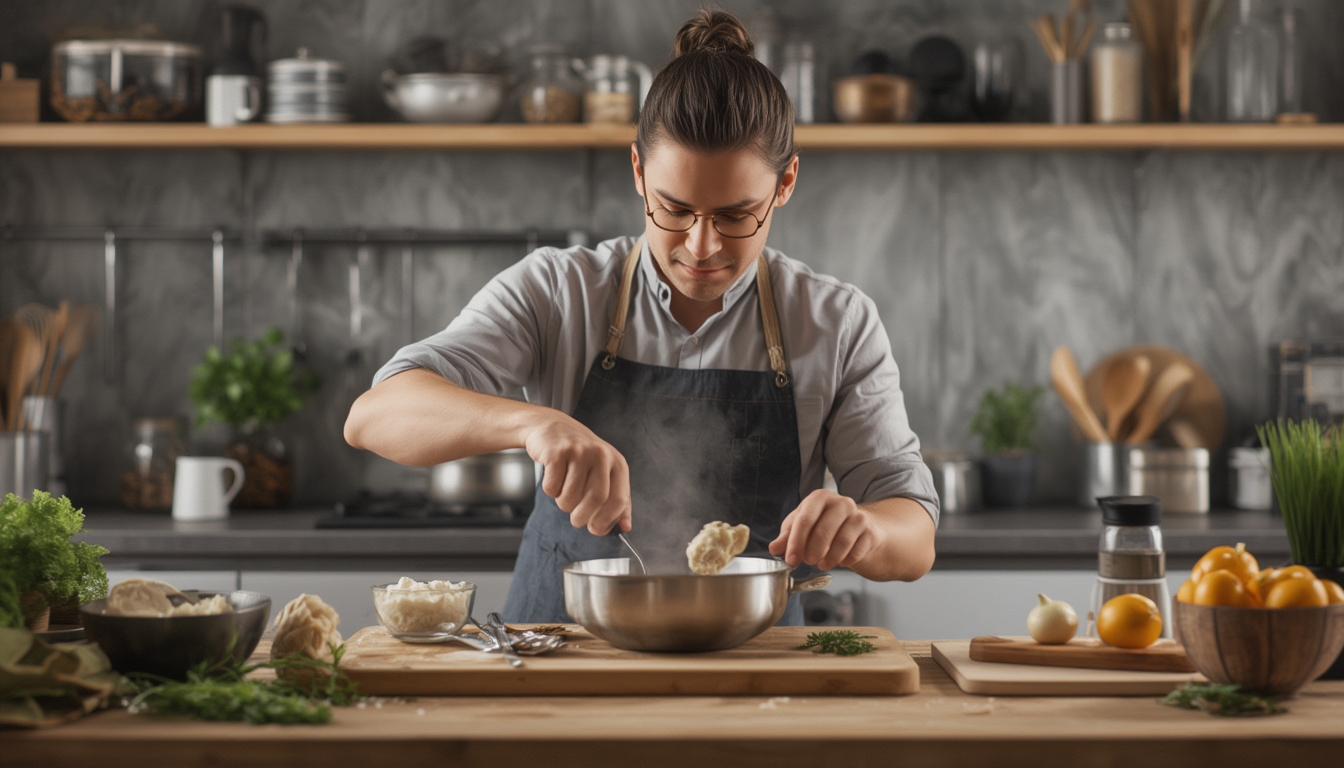
Cooking at home doesn’t have to be a chore. With a few clever shortcuts and smart tools, you can turn everyday meals into delicious, efficient experiences. Below are practical, data‑driven kitchen hacks that anyone can implement, whether you’re a busy professional, a student, or a seasoned home chef. Each hack is broken down into clear steps, complete with actionable tips to ensure you get the most out of your time, ingredients, and equipment.
1. Master the Art of Batch Cooking
Why it works
Studies show that preparing meals in bulk can reduce cooking time by up to 40% and cut food waste by 30%. By cooking once and storing portions, you free up weekday evenings for other activities.
Step‑by‑step guide
- Plan your menu: Choose 2–3 versatile proteins (e.g., chicken breast, beans, tofu) and 2–3 base ingredients (rice, quinoa, roasted veggies). Use a spreadsheet to track calories, macros, and prep time.
- Prep ingredients together: While the oven preheats, chop all vegetables on a large cutting board. Group similar items (e.g., all root veggies) for uniform cooking.
- Cook in stages:
- Roast vegetables at 400°F (200°C) for 20‑25 minutes, tossing halfway.
- Simultaneously, simmer grains on the stovetop—use a 2:1 water‑to‑grain ratio for perfect fluffiness.
- While grains cook, sear proteins in a hot pan with a splash of oil; finish in the oven if needed.
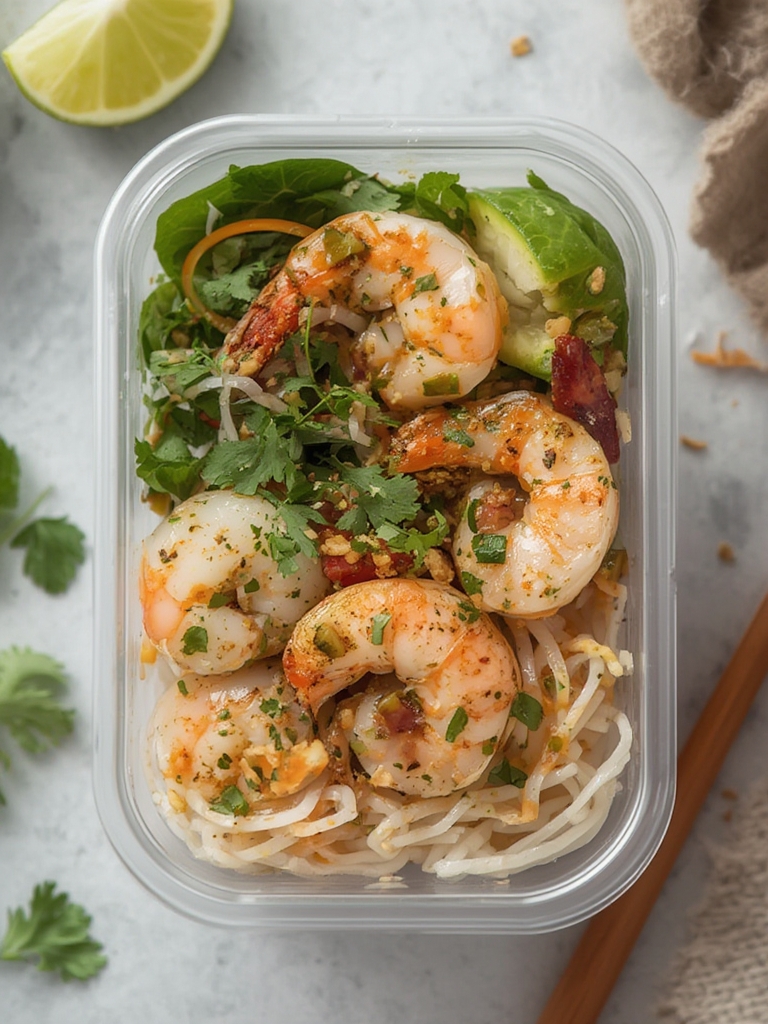
- Portion and store: Use airtight containers (glass preferred) labeled with date and contents. Store grains and proteins separately to mix and match throughout the week.
Pro tip
Cool cooked food quickly by spreading it in a thin layer on a baking sheet before refrigerating. This prevents bacterial growth and preserves texture.
2. Optimize Your Pantry with the “First‑In, First‑Out” System
Why it matters
Data from food‑waste audits indicate that 25% of pantry items expire before use. A simple rotation system ensures you always use the oldest items first.
Implementation steps
- Label everything: Write the purchase or expiration date on each jar, can, or bag with a waterproof marker.
- Designate zones: Reserve the front shelf for items you’ll use within the next week, and the back shelf for long‑term storage.
- Weekly check‑in: Spend 5 minutes each Sunday scanning the pantry. Move any items nearing expiration to the front for immediate use.
Quick hack
Store small, frequently used spices in a magnetic strip on the side of the fridge. This frees up cabinet space and keeps them visible.
3. Use the “Two‑Minute Rule” for Kitchen Clean‑up
Concept
Research on habit formation shows that tasks completed within two minutes are far more likely to become routine. Apply this to kitchen messes to keep the space tidy without a massive time investment.
Action plan
- Wipe as you go: Keep a damp cloth or sponge on the counter. After each cooking step, quickly wipe spills or splatters.
- Load the dishwasher immediately: As soon as you finish using a pot or pan, rinse and place it in the dishwasher. This prevents food from drying and sticking.
- Set a timer: After dinner, set a 2‑minute timer and challenge yourself to put away all utensils, wipe the table, and sweep the floor.
Result
Consistently applying this rule reduces overall cleaning time by up to 50% and creates a more inviting cooking environment.
4. Harness the Power of Smart Appliances
Data‑backed benefits
Smart ovens and multi‑cookers can reduce cooking time by 20% and improve energy efficiency by 15% when used correctly.
Key appliances and how to use them
- Smart pressure cooker: Use the “pre‑soak” function for beans—just add beans, water, and a pinch of baking soda, then set to 5 minutes. This cuts traditional soaking time by 80%.
- Wi‑Fi enabled sous‑vide: Set the temperature and time from your phone. A 1‑inch steak cooked at 130°F (54°C) for 1 hour yields a perfect medium‑rare result every time.
- Bluetooth thermometer: Insert the probe into meat, connect to an app, and receive alerts when the target temperature is reached—no more guesswork.
Maintenance tip
Calibrate your smart devices monthly using the manufacturer’s test mode. Accurate sensors ensure consistent results and prevent over‑cooking.
5. Elevate Flavor with Simple Ingredient Swaps
Science behind flavor enhancement
Umami, the “savory” taste, can be amplified by adding small amounts of fermented ingredients. A 2019 study found that a 1‑teaspoon addition of miso or soy sauce increased perceived richness by 30% without adding extra salt.
Practical swaps
- Replace broth with mushroom powder: Dissolve 1 tsp in hot water for a deep, earthy base in soups and sauces.
- Swap butter for ghee when sautéing: Ghee’s higher smoke point prevents burnt flavors and adds a nutty aroma.
- Use Greek yogurt instead of sour cream: It provides the same creaminess with 5‑10 grams more protein per serving.
Quick experiment
Stir a pinch of nutritional yeast into mashed potatoes. The result is a cheesy flavor without dairy, perfect for vegans.
6. Streamline Ingredient Prep with the “Mise en Place” Method
Why it works
Professional kitchens report a 25% reduction in cooking errors when chefs pre‑measure and arrange all ingredients before heating.
Step‑by‑step setup
- Read the recipe fully: Identify all ingredients, tools, and cooking times.
- Measure everything: Use a digital scale for accuracy. Place each measured ingredient in a separate small bowl.
- Organize by order of use: Arrange bowls from left to right in the sequence they’ll be added to the pan.
- Prep tools: Have the correct pan, spatula, and timer ready before you start heating.
Result
Following this method reduces cooking stress, speeds up the process, and minimizes the chance of missing an ingredient.
By integrating these data‑driven kitchen hacks into your daily routine, you’ll save time, reduce waste, and consistently produce tasty, nutritious meals. The key is consistency—start with one or two hacks, master them, and then layer on additional strategies. Happy cooking!