
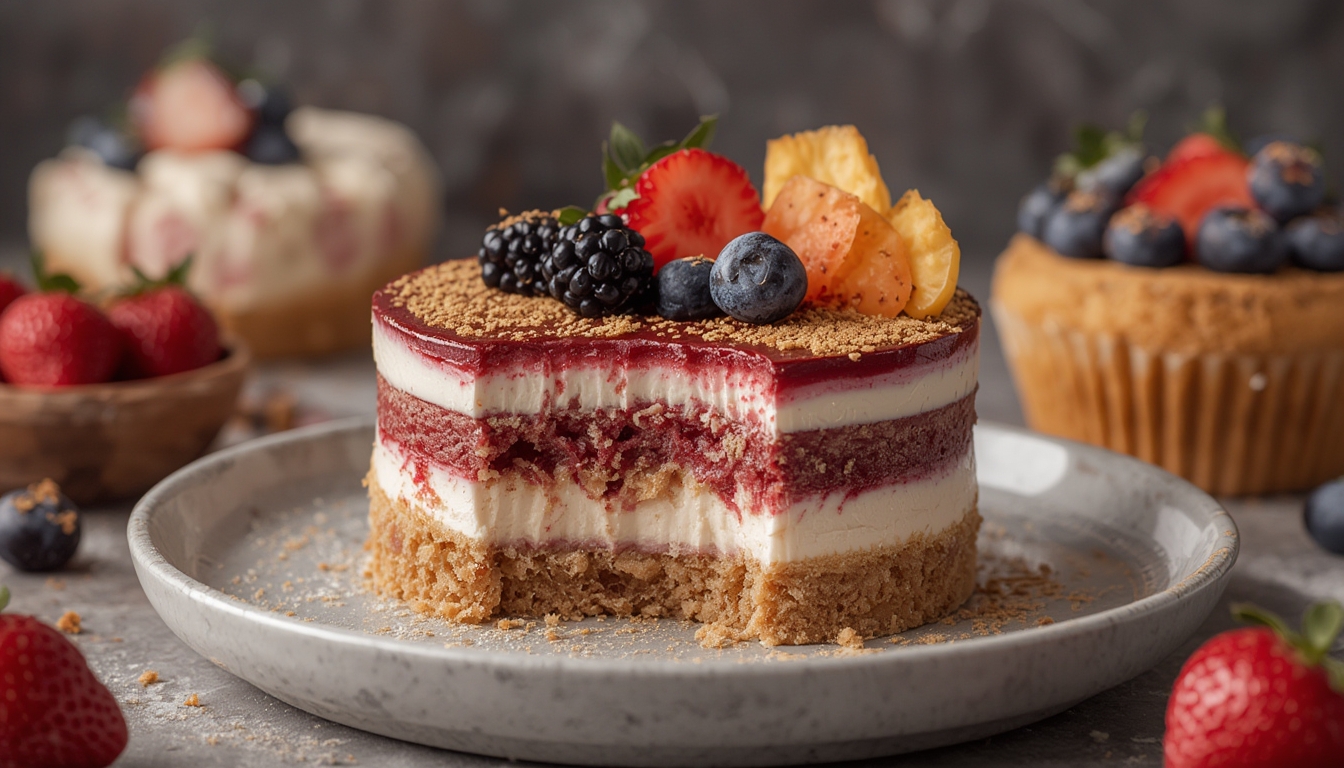
Modern desserts have moved far beyond the classic cake and pie, embracing science, creativity, and bold flavor pairings. Whether you’re a home baker curious about molecular gastronomy or a seasoned chef looking to add a wow factor to your menu, this guide walks you through the most exciting sweet experiments, step by step. Each technique is broken down into clear actions, with practical tips that keep the process approachable and the results reliable.
1. Spherification: Turning Liquids into Pearls
Gather Your Ingredients and Tools
- Fresh fruit puree or flavored juice (150 ml per batch)
- 2 g sodium alginate
- 500 ml distilled water
- 5 g calcium lactate
- Immersion blender, fine mesh strainer, and a small spoon or syringe
Tip: Use distilled water to avoid mineral interference that can affect gel formation.
Prepare the Alginate Bath
- Blend 500 ml distilled water with 2 g sodium alginate until fully dissolved; let it rest for 15 minutes to eliminate bubbles.
- Transfer the mixture to a shallow bowl; this will be your spherification bath.
Tip: A short rest period allows the alginate to fully hydrate, creating a smoother bath.
Mix the Fruit Base
- Combine your fruit puree with 5 g calcium lactate; blend until smooth.
- Strain the mixture through a fine mesh to remove any pulp that could clog the syringe.
Tip: Adjust sweetness after blending; the calcium can slightly mute flavors.
Form the Pearls
- Using a syringe or small spoon, gently drop the fruit mixture into the alginate bath.
- Let the droplets sit for 60–90 seconds for a thin gel membrane; longer times create thicker skins.
- Remove the pearls with a slotted spoon and rinse in a bowl of clean water.
Tip: Test one pearl first—if the membrane is too soft, increase the bath time by 15 seconds.
2. Foam & Air: Lightening Flavors with Nitrogen
Choose Your Base Liquid
- Chocolate ganache, fruit purée, or flavored yogurt (200 ml)
- 1 g soy lecithin (emulsifier)
Tip: Lecithin works best with liquids that have a moderate fat content; too much fat can inhibit foam formation.
Create the Foam
- Blend the base liquid with soy lecithin using an immersion blender for 30 seconds.
- Transfer the mixture to a chilled bowl and whisk at high speed for 2–3 minutes until airy peaks form.
- Serve immediately over desserts or as a garnish.
Tip: Keep the bowl and whisk cold; temperature stability helps maintain the foam’s structure.
3. Deconstructed Classics: Reimagining Familiar Desserts
Pick a Classic Dessert
Examples include tiramisu, lemon meringue pie, or chocolate mousse. For this guide, we’ll deconstruct a lemon tart.
Separate Core Components
- Crust: Bake a thin shortbread base, then crumble into fine dust.
- Filling: Prepare a silky lemon curd; set half in a silicone mold, the other half in a chilled shot glass.
- Top: Whip a light meringue and torch it for a caramelized finish.
Tip: Use a kitchen scale for each component to ensure balance; a 30 g crust dust, 80 g curd, and 20 g meringue works well.
Plate the Elements
- Spread a thin line of lemon curd across the plate.
- Scatter shortbread dust artistically around the curd.
- Place the meringue shard on top, then drizzle a micro‑citrus reduction for color.
Tip: Keep plating tools cold to prevent the curd from melting during assembly.
4. Edible Flowers & Natural Color: Adding Visual Drama
Select Edible Blooms
- Viola, nasturtium, lavender, and rose petals (ensure they are pesticide‑free)
- Optional: Freeze‑dry for longer shelf life
Tip: Gently pat dry with a paper towel; excess moisture can make the flowers soggy.
Incorporate Into Desserts
- Layer petals between cake layers for a subtle burst of color.
- Garnish spherified pearls or foams with a single petal for a refined finish.
- Blend dried petals into powdered sugar for a tinted dust.
Tip: Use a light hand—too many petals can overwhelm delicate flavors.
5. Sweet Fermentation: Crafting Unique Flavors
Make a Simple Fruit Kvass
- 200 g mixed berries (fresh or frozen)
- 1 L filtered water
- 2 tbsp raw honey
- 1 tsp active‑dry yeast
Tip: Use raw honey for its natural enzymes, which aid fermentation.
Fermentation Process
- Combine berries, water, and honey in a sterilized jar; stir until honey dissolves.
- Sprinkle yeast on top; cover loosely with a cloth to allow gas escape.
- Let sit at room temperature for 24–48 hours; taste daily until a mild tang appears.
- Strain and chill; use as a base for sorbets, cocktails, or drizzles.
Tip: If the kvass becomes overly sour, add a splash of fresh fruit juice to balance.
6. Final Presentation: Bringing All Elements Together
Build a Multi‑Layer Dessert Plate
- Start with a base of spherified fruit pearls arranged in a circular pattern.
- Add a dollop of lemon foam in the center, using a spoon to create a smooth mound.
- Scatter shortbread dust and a few edible flower petals around the edges.
- Finish with a drizzle of fermented berry kvass reduction for shine and contrast.
Tip: Serve immediately to preserve the texture of the foam and pearls; the visual contrast is most striking when the components are fresh.
By mastering these six modern dessert techniques—spherification, airy foams, deconstruction, edible flowers, sweet fermentation, and thoughtful plating—you’ll be equipped to create desserts that surprise the palate and delight the eye. Each step is designed to be repeatable, allowing you to experiment with flavors, textures, and presentations without needing a laboratory. Happy sweet experimenting!