
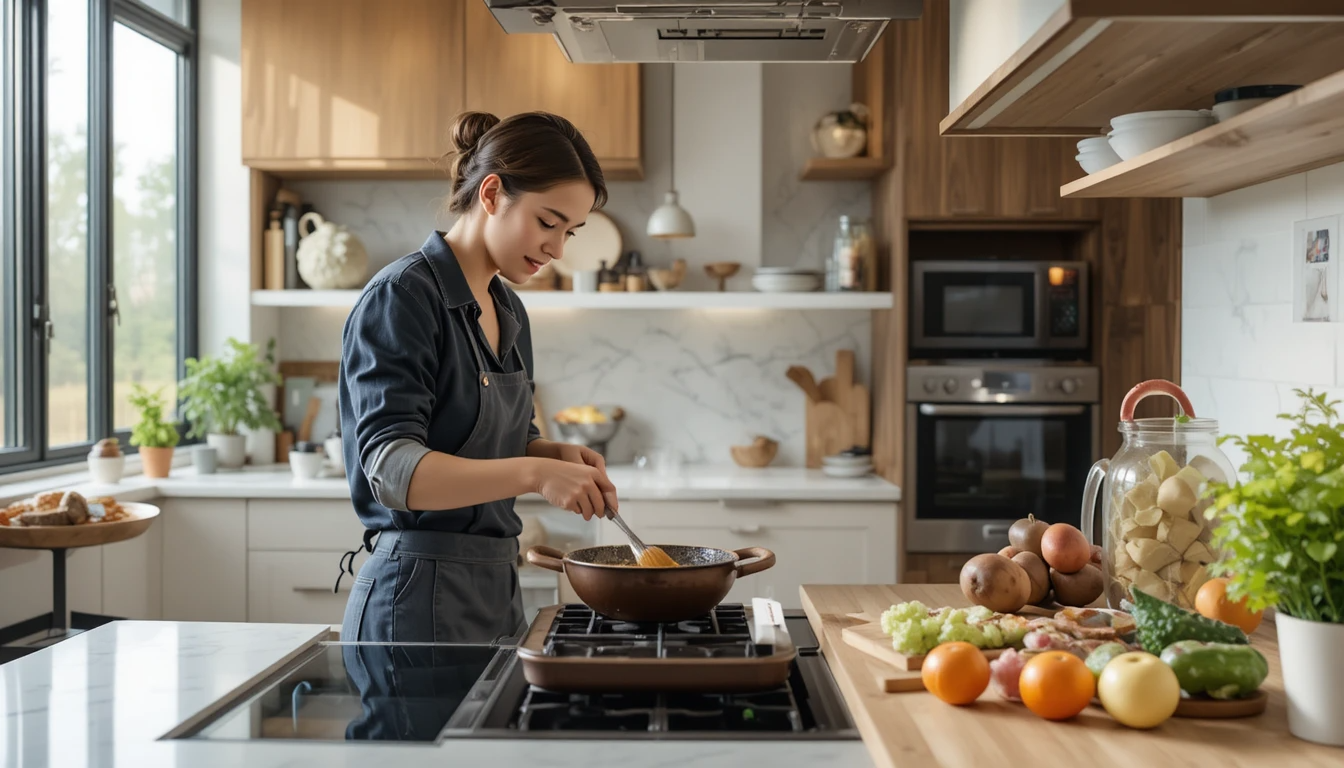
We’re living through a remarkable transformation in home cooking—what some food historians are calling the “Kitchen Renaissance.” After decades moving toward convenience foods and outsourcing meal preparation, we’ve collectively returned to our kitchens, but with a thoroughly modern perspective. Today’s cooking isn’t about recreating our grandmother’s recipes exactly as written (though there’s respect for those traditions). Instead, it represents a fusion of technology, global awareness, wellness priorities, and creative expression that’s fundamentally changing how we think about, shop for, prepare, and share food.
The modern cook approaches the kitchen differently than any previous generation. They might use a smartphone app to adjust a sous vide steak while simultaneously fermenting vegetables using a 2,000-year-old technique, then photograph the results for a virtual community of fellow food enthusiasts. This blend of ancient and futuristic, local and global, practical and artistic defines contemporary culinary culture. In this exploration, we’ll uncover the key pillars of modern cooking and how you can incorporate them into your own kitchen journey.
Pillar 1: The Digitally-Enhanced Kitchen
Smart Appliances That Actually Save Time
Modern cooking embraces technology that enhances rather than replaces human skill. Consider these game-changers:
- Precision cookers (like sous vide machines) that guarantee perfect doneness every time, freeing mental energy for creative seasoning and presentation
- Smart ovens with internal cameras and connectivity that let you monitor roasting vegetables from your smartphone while you help with homework
- Scan-and-cook technology that reads package barcodes and automatically sets cooking programs
- Food preservation systems that extend the life of produce through controlled atmosphere technology
But here’s the modern twist: these tools aren’t about making cooking “foolproof” so anyone can do it without knowledge. Instead, they’re about eliminating variables so cooks can focus on creativity. When temperature and time are precisely controlled, you can experiment wildly with flavor combinations and techniques without risking the entire meal.
The Recipe Revolution: Interactive and Adaptive
Digital recipes have evolved from static online versions of index cards to dynamic cooking companions:
- App-integrated recipes that scale ingredient quantities up or down with a slider, converting measurements automatically
- Video tutorials embedded at crucial technique steps (no more wondering what “fold until just combined” really means)
- Voice-controlled recipe readers that advance steps hands-free when your fingers are covered in flour
- AR (augmented reality) overlays that show proper knife techniques or plating suggestions through your phone’s camera
Modern recipe platforms like SideChef and Paprika don’t just deliver instructions—they create interactive cooking experiences that adapt to your skill level, available equipment, and even dietary preferences.
Social Cooking: The Virtual Kitchen Classroom
Platforms like TikTok and Instagram have transformed cooking from a private activity to a communal learning experience:
- 60-second technique videos that efficiently demonstrate everything from proper onion dicing to advanced pastry methods
- Live cooking streams where professionals and home cooks share processes in real time, answering questions as they go
- Hashtag challenges (#CornRibChallenge, #FetaPasta) that create global cooking experiments with millions of participants
- Virtual supper clubs where friends in different locations cook the same meal together via video chat
This social layer adds accountability, inspiration, and community to what was once a solitary task. The modern cook is never truly cooking alone—they’re part of a global network of food enthusiasts sharing discoveries in real time.
Pillar 2: The Wellness-First Pantry
Beyond Nutrition: Functional Foods and Adaptogens
Modern cooking embraces food as medicine, but with a sophisticated understanding that goes beyond simple “superfood” marketing:
- Adaptogen integration like adding ashwagandha to smoothies or reishi mushrooms to broths for stress support
- Gut-health focus featuring fermented foods not as occasional sides but as central meal components (kimchi pancakes, miso-glazed vegetables, kefir salad dressings)
- Anti-inflammatory spice blends that combine turmeric, black pepper, ginger, and cinnamon in savory applications
- Protein diversification moving beyond chicken and beef to include sustainable options like lentils, hemp seeds, and algae-based proteins
The modern approach recognizes that wellness isn’t just about nutrients—it’s about how food makes you feel during preparation, consumption, and digestion. A meal might be “healthy” by traditional standards but stressful to prepare or unsatisfying to eat. Modern cooking considers the entire experience.
Mindful Cooking as Meditation
The process of cooking has become recognized as valuable mindful practice rather than merely a means to an end:
- “Phone-free prep time” where the act of chopping, stirring, and seasoning becomes a digital detox
- Sensory-focused cooking that emphasizes the sound of sizzling aromatics, the fragrance of fresh herbs, the vibrant colors of seasonal produce
- Therapeutic baking projects where the rhythmic nature of kneading or folding provides anxiety relief
- Garden-to-table immediacy even in urban settings through countertop herb gardens and microgreen systems
Restaurants like Noma have popularized “forest foraging” experiences, but the modern home adaptation might be a mindful walk through the farmer’s market or even careful selection at the grocery store. The intention matters as much as the ingredients.
The New Preservation: Waste-Free Cooking
Modern cooking approaches preservation with both ancient wisdom and new technology:
- Fermentation stations featuring not just pickles but fermented hot sauces, fruit shrubs, and vegetable-based “ketchesups”
- High-tech dehydration for creating vegetable powders, fruit leathers, and protein-rich cricket flour (yes, really!)
- Immersion circulators used for pasteurizing and vacuum-sealing garden surplus
- App-connected refrigerators that track food freshness and suggest recipes for ingredients nearing expiration
The modern cook views “scraps” as ingredients: watermelon rinds become pickles, carrot tops transform into pesto, stale bread revives as crispy croutons or rich bread pudding. This approach creates a circular kitchen economy where purchases yield multiple meals across several forms.
Pillar 3: Global-Local Fusion
Hyper-Local Ingredients, Global Techniques
The modern cook might source vegetables from a neighborhood CSA (Community Supported Agriculture) or even a countertop hydroponic system, then prepare them using techniques from across the world:
- Heirloom tomatoes from your patio garden transformed into Indian-style tomato chutney
- Local honey used to balance the heat of Korean gochujang in a marinade
- Farm-fresh eggs cooked in shakshuka style with Middle Eastern spices
- Backyard herbs blended into Thai-style curry pastes or Mexican salsa verde
This approach creates what food thinkers call “rooted fusion”—dishes that are geographically aware but not appropriative, innovative but connected to place. You’re not making “authentic” Pad Thai (unless you’re in Thailand with Thai ingredients), but you might make “Tuesday Night Noodles” that honor Thai flavors using what’s freshest near you.
The Spice Cabinet as Cultural Passport
The modern spice cabinet tells a story of culinary curiosity and connection:
- Regional-specific varieties like Tellicherry peppercorns, Aleppo pepper, or Vietnamese cinnamon
- Whole spices with dedicated grinders for maximum freshness and flavor complexity
- Homemade blends that mix traditional combinations (garam masala, za’atar) with personal twists
- Global condiment collection featuring not just soy sauce but specific varieties like tamari, shoyu, and coconut aminos
What’s revolutionary isn’t just owning these ingredients, but understanding their cultural contexts while feeling free to experiment beyond traditional boundaries. The modern cook might use Japanese miso in a French-inspired bean soup or Indian ghee to fry Spanish tortilla—not as novelty but because each ingredient brings specific qualities to the dish.
Virtual Travel Through Supper Clubs and Cooking Challenges
When physical travel isn’t possible, modern cooks embark on culinary voyages from their kitchens:
- Monthly regional explorations where you cook only from a specific country or region for a week
- Ingredient deep-dives focusing on one global staple (like tamarind, preserved lemons, or black garlic) across multiple applications
- Virtual cooking classes with international chefs teaching specialized techniques live from their home kitchens
- Recipe “teleportation” services that deliver authentic international ingredients with cultural context notes
These experiences create what anthropologists call “foodways literacy”—understanding not just recipes but the agricultural, historical, and social contexts behind them. You’re not just making curry; you’re learning why certain spices combine in Bengal versus Punjab, and how British colonization affected both.
Pillar 4: The Aesthetics of Imperfection
The “Wabi-Sabi” Kitchen Philosophy
Japanese wabi-sabi—the appreciation of beauty in imperfection, impermanence, and incompleteness—has found its perfect application in modern cooking:
- Asymmetrical plating that feels organic rather than contrived
- Embracing visible texture like crusty bread edges, crackled dessert surfaces, or uneven vegetable chops
- Natural vessels like handmade ceramics, stone slabs, or woven trays instead of perfectly matching dishware
- Intentional “flaws” like drizzled rather than perfectly spread sauces, or herbs scattered rather than precisely placed
This philosophy extends to the cooking process itself. A modern cook might document a “failed” soufflé on Instagram with equal appreciation as a perfect one, analyzing what went wrong and celebrating the learning process. The journey matters as much as the destination.
The Art of the Process Shot
Modern food photography has evolved from stylized perfection to authentic documentation:
- In-progress shots showing ingredients mid-prep, messy counters, and hands actively working
- “Ugly delicious” close-ups celebrating the appealing textures of stews, braises, and rustic baked goods
- Natural lighting only, often from the kitchen window where the food was actually prepared
- Context inclusion showing the cookbook propped open, the garden where herbs were harvested, or the family member setting the table
This shift acknowledges that cooking is a human process, not a magical transformation from raw ingredients to magazine-ready results. The stains, steam, and occasional mistakes are part of the story.
Multi-Sensory Dining Experiences
Modern cooking considers all five senses in meal creation:
- Sonic elements like the satisfying crunch of a crust or the sizzle of a plated dish
- Temperature contrasts featuring warm components against cool, or frozen elements in room-temperature dishes
- Interactive components that require assembly at the table, releasing aromas or changing textures
- Tactile experiences encouraging eating with hands or specific utensils that enhance the experience
Restaurants like Ultraviolet in Shanghai have pioneered multi-sensory dining, but home cooks are creating their own versions through thoughtful attention to the complete eating experience beyond just flavor.
Pillar 5: Sustainable Systems Thinking
The Circular Kitchen Economy
Modern cooking operates on closed-loop principles inspired by industrial ecology:
- Comprehensive composting systems that capture everything from coffee grounds to citrus peels
- Water reclamation using pasta water to water plants or steam vegetables (after cooling)
- Energy sequencing using residual oven heat to dry citrus slices or warm plates
- Packaging avoidance through bulk purchasing, reusable containers, and homemade alternatives to packaged foods
These practices create what environmentalists call a “positive footprint”—the kitchen becomes a place that gives back to the ecosystem rather than just extracting from it.
Protein Reimagined
The modern approach to protein represents one of the most significant shifts in home cooking:
- Vegetable-centric meals where plants are the star and animal proteins play supporting roles
- Blended proteins combining mushrooms with ground meat or lentils with sausage for reduced environmental impact
- Underutilized species like mussels, clams, and small fish that are lower on the food chain
- Cultured and alternative proteins incorporated as they become available to home cooks
This isn’t necessarily about full vegetarianism, but about conscious omnivorism—making deliberate choices about protein sources based on environmental impact, ethical considerations, and nutritional profile.
The Hyper-Seasonal Mindset
Modern cooking embraces true seasonality, not just what’s available year-round through global shipping:
- Preservation aligned with abundance freezing, canning, or fermenting when ingredients are at peak and inexpensive
- Seasonal recipe rotations where certain dishes only appear when key ingredients are naturally available
- Micro-seasonal awareness recognizing that “tomato season” has early, peak, and late phases, each suited to different preparations
- Climate-adaptive cooking shifting techniques based on weather (cool salads during heat waves, slow braises during cold snaps)
This approach creates a natural rhythm to cooking that many find more satisfying than the monotony of year-round availability. The first strawberry shortcake of spring or butternut squash soup of fall become anticipated rituals rather than routine repetitions.
The Modern Cook’s Toolkit: Essentials for 2024
Physical Tools
- Precision digital scale for consistent baking and recipe replication
- High-speed blender for smooth sauces, nut butters, and alternative flours
- Carbon steel pans that combine non-stick performance with durability and heat responsiveness
- Immersion circulator for sous vide cooking and precise temperature control
- Fermentation equipment including weights, airlocks, and proper vessels
- Mandoline with safety guard for perfect, consistent vegetable cuts
- Infrared thermometer for checking pan temperatures and doneness without contact
Digital Resources
- Recipe management app like Paprika or Whisk for organizing and scaling recipes
- Food waste tracker like Too Good To Go or NoWaste to minimize disposal
- Virtual tasting communities where you can share experiences and get feedback
- Ingredient substitution databases for spontaneous recipe adjustments
- Local foraging maps identifying edible plants in your area (used responsibly)
Mindset Shifts
- Process over perfection valuing the cooking experience as much as the final product
- Adaptive recipe reading viewing recipes as suggestions rather than commandments
- Confidence in substitution knowing which ingredients can swap and which are essential
- Comfort with “failure” recognizing that not every experiment works, and that’s valuable data
- Generosity with knowledge sharing discoveries, resources, and techniques freely
Your Modern Kitchen Journey: Where to Begin
Transforming your cooking approach doesn’t require overhauling everything at once. Start with these accessible entry points:
Week 1: Digital Enhancement
- Download a recipe manager app and digitize your five most-used recipes
- Follow three chefs or cooks on social media who specialize in a cuisine you’d like to learn
- Watch one technique video on a skill you’ve wanted to master (proper knife skills, dough handling, etc.)
Week 2: Global-Local Fusion
- Visit an international market and buy one unfamiliar ingredient with a plan for its use
- Cook one meal primarily from local ingredients (farmer’s market, CSA, or garden)
- Research the cultural background of a dish you regularly prepare
Week 3: Mindful Practice
- Cook one meal in silence, focusing on the sensory experience
- Practice “root-to-stem” cooking with one vegetable, using all parts
- Share a cooking lesson (virtual or in-person) with someone in your community
Week 4: Systems Thinking
- Audit your food waste for three days and implement one reduction strategy
- Prepare one preserved item (pickle, ferment, freeze) for future use
- Calculate the environmental impact of one meal and identify one improvement
Conclusion: Cooking as Conscious Creation
Modern cooking represents something far more significant than new gadgets or trendy ingredients. It’s a holistic reimagining of our relationship with food—from source to preparation to sharing. The modern kitchen is simultaneously a laboratory, a studio, a sanctuary, and a community center.
This approach acknowledges cooking’s dual nature: it’s both profoundly practical (we must eat to live) and deeply meaningful (how we eat shapes our health, relationships, and impact on the world). The modern cook navigates this duality with intentionality, embracing both the necessity and the artistry of feeding themselves and others.
As you incorporate these modern elements into your cooking practice, remember that the goal isn’t to achieve some idealized version of “perfect modern cooking.” The true essence of modern cooking is conscious engagement—paying attention, asking questions, experimenting boldly, learning continuously, and sharing generously. Your kitchen, with all its particular tools, space constraints, and personal history, is the perfect place to develop your own version of modern cooking.
What makes your kitchen uniquely modern? Is it the heirloom seeds you’re sprouting on the windowsill? The global spice blends you’ve created through experimentation? The digital community you’ve built around shared culinary curiosity? However it manifests, your modern cooking practice is a living, evolving expression of how you choose to nourish yourself and connect with the world through food.
Join the conversation: What does “modern cooking” mean in your kitchen? Share your perspective using #ModernCookCrafted and connect with our community of forward-thinking home cooks.