
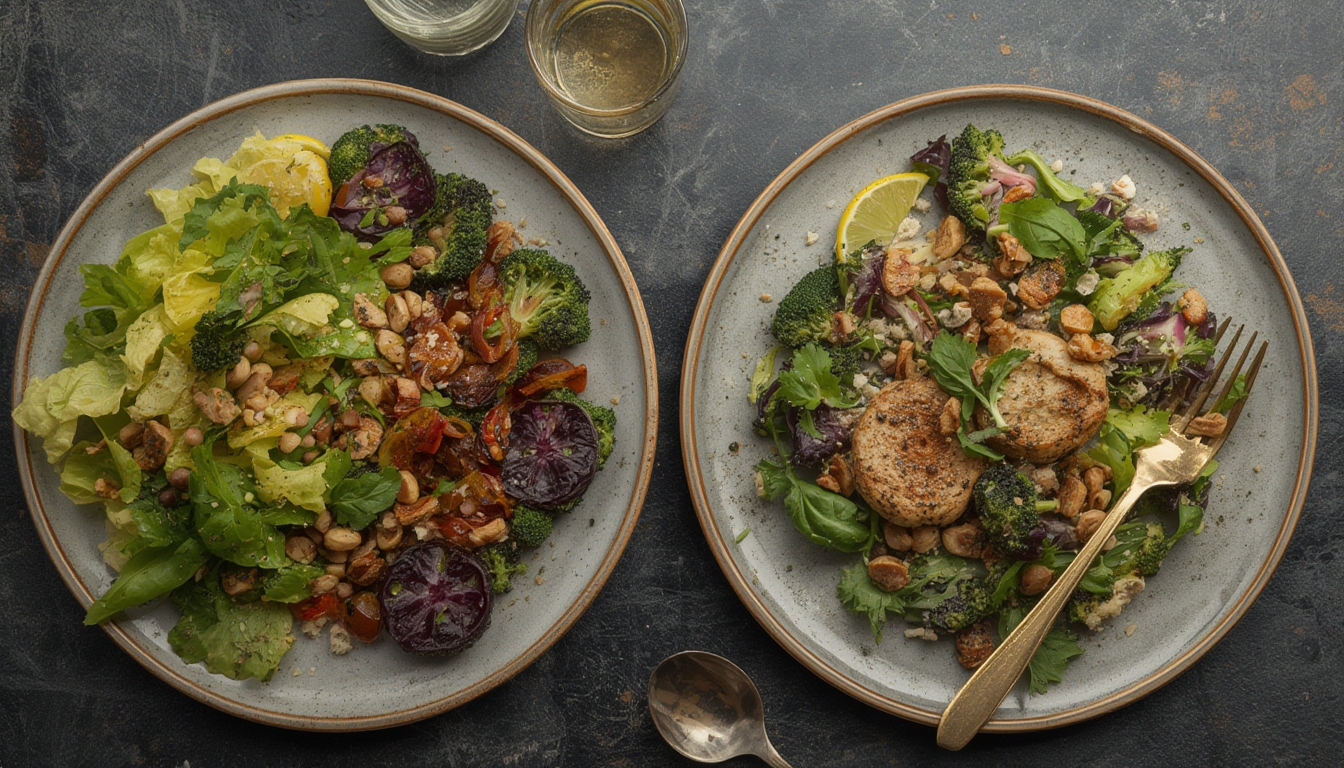
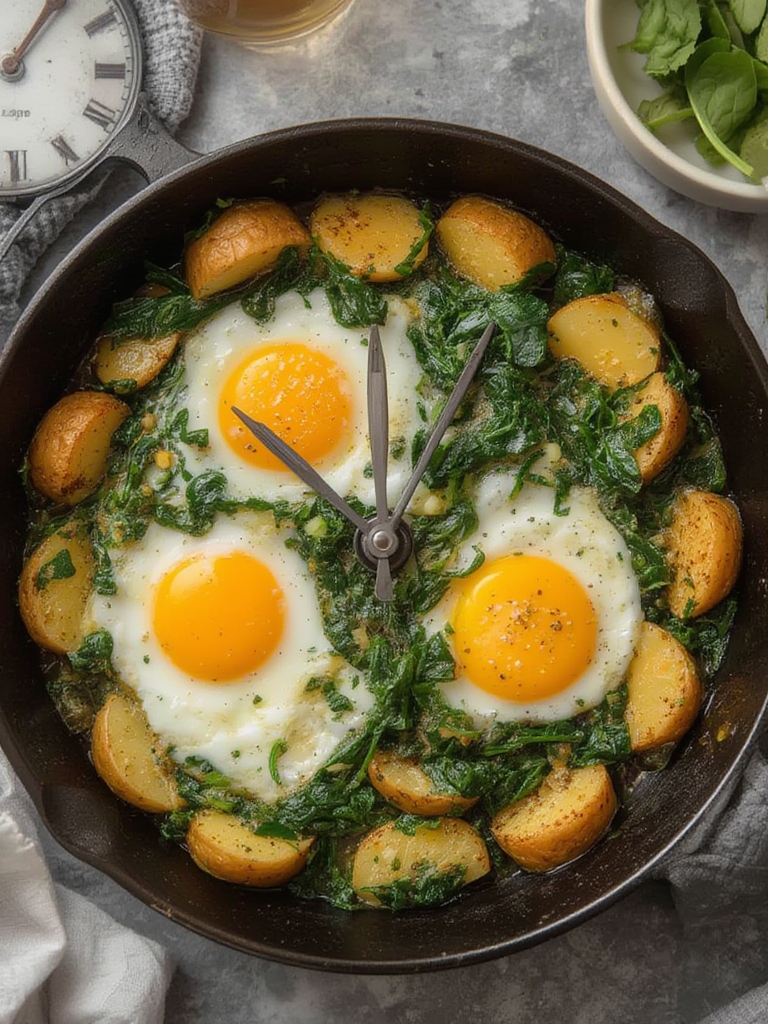
Embracing a plant‑forward and flexitarian approach doesn’t mean you have to give up the flavors you love. It simply shifts the spotlight to vegetables, legumes, whole grains, and nuts while still allowing occasional animal proteins for balance. Below is a step‑by‑step guide that walks you through planning, preparing, and serving vibrant, nutrient‑dense plates that satisfy both the palate and the body.
Step 1: Map Out Your Weekly Plate Blueprint
Before you even step into the kitchen, spend a few minutes sketching a simple weekly layout. This helps you see where plant‑based meals fit alongside the occasional flexitarian protein.
How to Do It
- Choose a template: Use a printable grid or a digital note‑taking app. Mark each day with breakfast, lunch, dinner, and a snack slot.
- Set a plant‑forward ratio: Aim for at least 70 % of each main dish to be plant‑based. For example, a stir‑fry could be 80 % veggies and 20 % tofu or a small piece of fish.
- Plan protein variety: Rotate legumes (lentils, chickpeas), whole grains (quinoa, farro), nuts, and occasional animal proteins (egg, poultry, seafood) to keep meals interesting.
Tip: Color‑code the grid (green for veg‑heavy, blue for fish, orange for poultry) to visualize balance at a glance.
Step 2: Build a Flexible Shopping List
A well‑organized list saves time, reduces waste, and ensures you have everything needed for your plant‑forward plates.
Key Categories
- Fresh produce: Leafy greens (spinach, kale), cruciferous veggies (broccoli, cauliflower), colorful peppers, carrots, and seasonal fruit.
- Protein staples: Canned beans, dried lentils, tofu, tempeh, eggs, and a modest selection of fish or chicken breasts.
- Whole grains & starches: Brown rice, quinoa, farro, sweet potatoes, and whole‑wheat pasta.
- Flavor boosters: Fresh herbs (basil, cilantro), spices (cumin, smoked paprika), garlic, ginger, and quality olive oil.
Actionable advice: When buying fresh produce, select a mix of ready‑to‑eat items (pre‑washed salad greens) and whole vegetables you can prep yourself. This balances convenience with cost savings.
Step 3: Prep Ingredients in Batches
Batch prepping is the secret weapon for staying on track, especially on busy weekdays.
Prep Routine (30‑45 minutes)
- Wash & dry greens: Spin salads in a salad spinner or pat dry with a clean kitchen towel. Store in airtight containers with a paper towel to absorb excess moisture.
- Roast a vegetable tray: Toss chopped carrots, broccoli florets, and sweet potato cubes with olive oil, salt, and a pinch of smoked paprika. Roast at 200 °C (400 °F) for 20‑25 minutes. Portion into containers for quick add‑ins.
- Cook grains in bulk: Use a rice cooker or Instant Pot to prepare a large batch of quinoa or brown rice. Cool, then store in the fridge for up to five days.
- Pre‑portion legumes: Rinse canned beans, then divide into single‑serve bags. Add a dash of lemon juice and a sprinkle of herbs for extra flavor.
- Make a quick sauce: Blend a handful of fresh herbs, garlic, olive oil, lemon juice, and a splash of water. Store in a squeeze bottle for drizzling over salads or bowls.
Pro tip: Label each container with the date and a brief description (e.g., “Roasted Veg Mix – 03/14”). This reduces decision fatigue when assembling meals.
Step 4: Assemble Balanced Plant‑Forward Plates
Now that your components are ready, building a plate becomes a creative, quick process.
Plate Construction Formula
- Base (½ plate): Choose a whole grain or starchy vegetable (quinoa, brown rice, sweet potato).
- Veggie load (¼ plate): Add a colorful mix of roasted, raw, or sautéed vegetables.
- Protein boost (¼ plate): Include legumes, tofu, tempeh, or a modest portion of fish/chicken.
- Finish with flavor: Drizzle sauce, sprinkle nuts/seeds, and add a squeeze of citrus.
Actionable tip: Use a divided plate or a bowl with sections to visually ensure the ratios are correct. This simple visual cue helps maintain the plant‑forward balance.
Step 5: Incorporate Seasonal Twists
Seasonality keeps meals fresh, affordable, and nutritionally optimal.
Seasonal Swap Ideas
- Spring: Swap roasted root veggies for asparagus and peas. Add fresh mint to sauces.
- Summer: Use grilled corn, zucchini, and heirloom tomatoes. Top bowls with a handful of fresh basil.
- Fall: Introduce roasted butternut squash, kale, and pomegranate seeds. Warm spices like cinnamon and nutmeg pair well.
- Winter: Embrace hearty greens (collard, mustard), Brussels sprouts, and citrus zest for brightness.
Quick win: When a new seasonal produce appears at the market, replace one of the pre‑prepped veggies in your batch with the fresh item. This adds variety without extra prep time.
Step 6: Keep Flexibility with Simple Protein Swaps
Flexitarian eating thrives on the ability to switch protein sources based on preference, availability, or nutritional needs.
Swap Strategies
- Legume ↔ Tofu: If you’re craving a creamier texture, blend silken tofu into sauces or soups.
- Tofu ↔ Fish: For a quick omega‑3 boost, top a grain bowl with a 3‑oz grilled salmon fillet.
- Eggs ↔ Tempeh: Crumble tempeh and sauté with turmeric for a “scrambled” breakfast alternative.
- Chicken ↔ Lentils: Use cooked lentils in place of shredded chicken in tacos or wraps for a plant‑forward twist.
Practical tip: Keep a small “protein pantry” (canned tuna, frozen shrimp, tofu blocks, dried lentils) so you can pivot without a grocery run.
Step 7: Finish with Mindful Presentation
We eat with our eyes first. A well‑presented plate encourages slower eating and better digestion.
Presentation Hacks
- Color contrast: Pair deep‑green kale with bright orange carrots and a pop of red pepper.
- Texture variety: Combine crunchy roasted nuts with silky avocado slices.
- Garnish purposefully: A sprinkle of toasted sesame seeds adds both visual appeal and a nutty finish.
- Plate height: Stack ingredients slightly to create depth; a flat, uniform layer can feel bland.
Actionable advice: Before serving, take a quick photo of your plate. Over time, you’ll notice patterns in colors and textures you love, guiding future meal planning.
Step 8: Reflect and Adjust Weekly
Successful plant‑forward eating is a habit that improves with reflection.
Simple Review Process
- At the end of each week, jot down which plates felt most satisfying and which felt lacking.
- Note any ingredients that were under‑used (e.g., a bag of kale that went stale).
- Adjust the next week’s blueprint: increase a favorite veggie, try a new spice, or swap a protein.
Quick tip: Set a 5‑minute reminder on your phone every Sunday evening to complete this reflection. Consistency turns the process into a natural rhythm.
By following these eight steps—planning, shopping smart, batch prepping, assembling balanced plates, embracing seasonality, staying flexible with proteins, presenting mindfully, and reflecting regularly—you’ll create a sustainable plant‑forward and flexitarian lifestyle that feels effortless and delicious. Each step is designed to be actionable, so you can start today, tweak as you go, and enjoy the vibrant variety that plant‑centric meals bring to your table.