
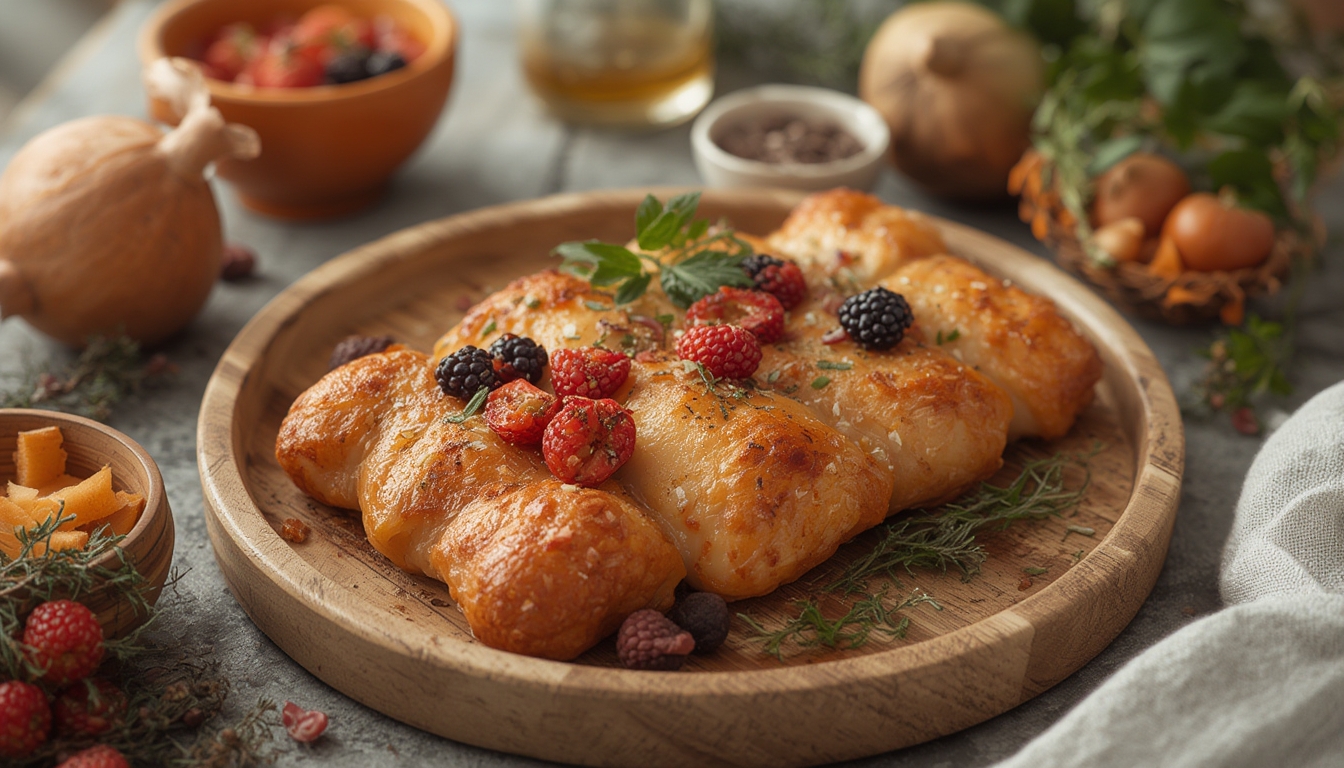
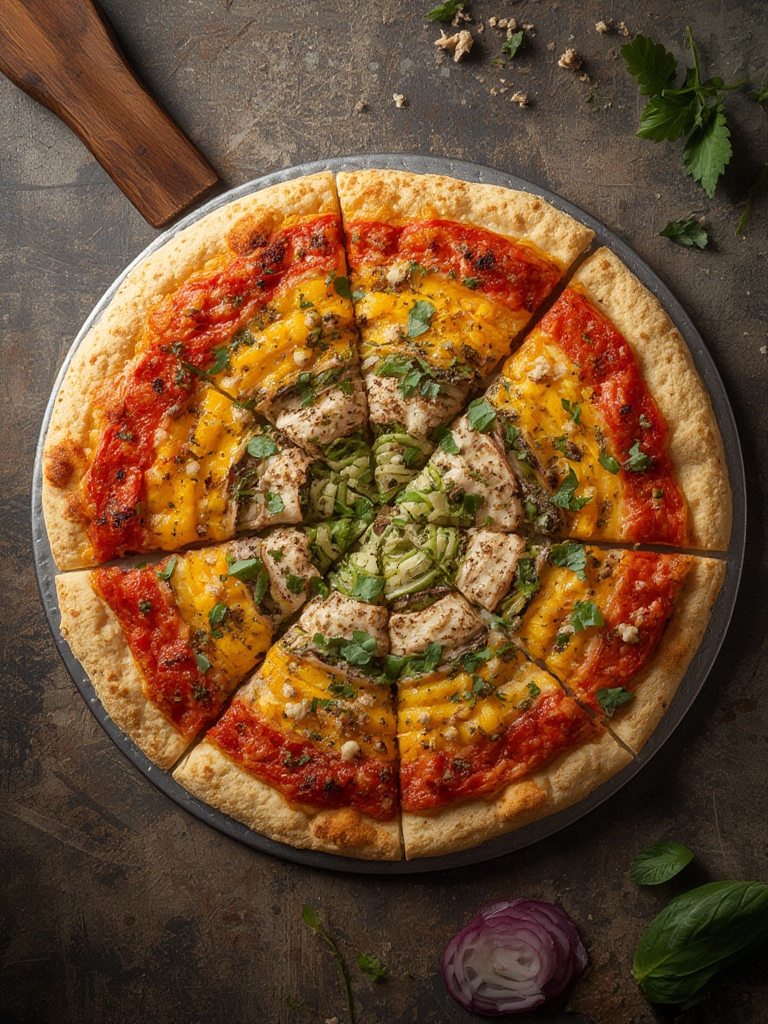
When you think about a perfectly plated dish, the visual story it tells is just as important as the flavors it delivers. Aesthetic food & styling blends culinary art with design principles, turning meals into eye‑catching experiences that linger in memory. By mastering the basics of plating, color harmony, texture contrast, and the thoughtful use of fresh, edible plants, you can elevate everyday cooking into a showcase of creativity. Below, we’ll walk through the essential steps to create stunning food presentations while also caring for the key plant ingredients that bring natural beauty to the plate.
Understanding the Core Elements of Aesthetic Food Styling
1. Color Theory and Balance
Colors guide the eye and set the mood. Use the color wheel to pair complementary hues (e.g., orange carrots with purple beet greens) or create a harmonious monochrome palette for a sleek look. Aim for a primary color, a secondary accent, and a neutral base in each dish.
2. Texture Contrast
Combine crisp, creamy, and chewy elements to add depth. A drizzle of smooth avocado purée over crunchy radish slices, for example, creates a pleasing mouthfeel and visual intrigue.
3. Plate Geometry
Think of the plate as a canvas. Employ the rule of thirds: place the main component off‑center, leave negative space, and use directional lines (like a drizzle or a garnish) to lead the viewer’s gaze.
4. Light and Shadow
Natural lighting highlights the true colors of food. When photographing or serving, position the plate near a window or use a soft, diffused light source to avoid harsh shadows that can distort the visual appeal.
Choosing the Right Plant for Visual Impact
Edible microgreens, herb sprouts, and flowering herbs such as nasturtium or viola are ideal for adding pops of color and texture. Below is a step‑by‑step guide to growing and caring for microgreens, a versatile plant that fits seamlessly into aesthetic food styling.
Step‑by‑Step Guide to Growing Microgreens
Step 1: Selecting Seeds
Choose seeds known for vibrant colors and distinct flavors: radish (peppery red), beet (deep magenta), sunflower (bright yellow), and basil (rich green). Purchase from a reputable supplier to ensure high germination rates.
Step 2: Preparing the Growing Tray
Use a shallow, food‑grade tray (about 2‑3 cm deep). Line the bottom with a thin layer of peat moss or a biodegradable seed‑starting mat to retain moisture while allowing good airflow.
- Tip: Lightly mist the surface before adding soil to create a damp base.
Step 3: Adding Soil and Sowing Seeds
Spread a fine layer of seed‑starting mix (≈1 cm) over the tray. Evenly scatter seeds, aiming for a dense but not overcrowded coverage—about 1 g of seeds per 100 cm².
- Trick: Gently press the seeds into the soil with a flat board to improve contact without burying them too deep.
Step 4: Maintaining Moisture
Cover the tray with a clear dome or another tray to create a humid environment. Mist twice daily with a spray bottle, ensuring the soil stays moist but not soggy.
- Actionable advice: Check the soil daily; if the surface looks dry, increase misting frequency.
Step 5: Light Exposure
After 2–3 days, when seedlings emerge, remove the cover and place the tray near a bright window or under a grow light set to 12–14 hours of light per day.
- Tip: Rotate the tray every few hours to promote even growth and prevent leaning.
Step 6: Harvesting
Microgreens are ready to harvest when the first true leaves appear, typically 7–14 days after sowing, depending on the variety. Use clean scissors to cut just above the soil line.
- Trick: Harvest in the morning when the plants are most hydrated for a crisp texture.
Step 7: Storing and Using
Rinse gently in cold water, pat dry, and store in a sealed container with a paper towel to absorb excess moisture. Use within 3–5 days for optimal flavor and visual appeal.
Integrating Microgreens into Aesthetic Food Styling
Color Pop and Placement
Scatter microgreens across the plate to add a burst of color. For a monochrome dish, choose a single microgreen variety that matches the theme; for contrast, combine red radish microgreens with green basil sprouts.
Texture Layering
Use the delicate, tender stems of microgreens to create a soft layer over crunchy components like toasted nuts or fried shallots, balancing mouthfeel and visual texture.
Flavor Enhancement
Match the microgreen’s flavor profile with the main dish: peppery radish microgreens pair well with rich, buttery sauces, while citrusy shiso microgreens brighten seafood plates.
Practical Tips for Consistent Styling Success
Prep Your Workspace
Keep a clean, clutter‑free station. Lay out all plating tools—tweezers, squeeze bottles, and small brushes—before you start. This reduces downtime and helps maintain a steady rhythm.
Use the Right Plate Size
Smaller plates naturally focus attention on the food. Choose a plate that leaves at least 1‑2 inches of negative space to avoid a crowded look.
Layer Flavors Visually
Arrange components from largest to smallest, building height with sauces, powders, and microgreens. A vertical element, such as a thin stack of sliced vegetables, adds drama.
Finish with a Signature Touch
End each plate with a final flourish—a drizzle of infused oil, a sprinkle of edible flower petals, or a light dusting of flavored salt. This finishing step ties the visual story together.
By mastering both the cultivation of eye‑catching microgreens and the principles of aesthetic food styling, you create dishes that delight the palate and the eyes. Consistent practice, attention to detail, and a willingness to experiment will transform your kitchen into a studio of culinary art.