
When it comes to creating dishes that are as pleasing to the eye as they are to the palate, the secret often lies in the details. Fresh, vibrant microgreens and edible flowers add a burst of color, texture, and elegance to any plate, turning a simple meal into a visual masterpiece. This guide walks you through the entire process—from growing your own aesthetic‑focused greens to styling them like a pro—so you can consistently serve food that looks as good as it tastes.
Choosing the Right Plants for Aesthetic Food Styling
The first step is selecting varieties that not only taste great but also bring visual impact. Here are three crowd‑pleasers that work beautifully in modern plating:
- Radish microgreens – bright pink stems and crisp leaves add a pop of color.
- Basil microgreens – deep green foliage with a hint of purple, perfect for contrast.
- Edible nasturtium – vivid orange‑red flowers that double as garnish.
Pick one or combine several for a multi‑layered look that catches the eye.
Step‑by‑Step Guide to Growing Your Aesthetic Greens
1. Gather Materials
- Containers: shallow trays (2–3 inches deep) with drainage holes.
- Growing medium: a light, sterile seed‑starting mix or coconut coir.
- Seeds: high‑quality microgreen or edible flower seeds.
- Light source: a sunny windowsill (minimum 4 hours of direct light) or LED grow lights set to 12–16 hours per day.
- Watering tools: a fine‑mist spray bottle or a gentle watering can.
2. Prepare the Tray
- Place a layer of growing medium about ½ inch thick.
- Lightly tamp the surface to create an even, firm base.
- Moisten the medium until it feels damp but not soggy; a misting bottle works best.
3. Sow the Seeds
- Scatter seeds evenly across the surface. For microgreens, aim for a dense but not overlapping coverage.
- Gently press the seeds into the medium with a flat board or the back of a spoon.
- Cover the seeds with a thin layer (≈ ¼ inch) of additional medium for better germination.
4. Create the Ideal Growing Environment
- Temperature: keep the tray between 65–75 °F (18–24 °C).
- Humidity: a light mist daily prevents the soil from drying out.
- Light: place the tray where it receives bright, indirect sunlight or set up LED lights 12–18 inches above the tray.
5. Watering Routine
- Use a fine mist to keep the surface moist without flooding.
- Check daily; the soil should stay damp but never waterlogged.
- When the top layer feels dry, mist again lightly.
6. Harvesting for Maximum Aesthetic Impact
- Microgreens are ready in 7–14 days, when the first true leaves appear.
- Use clean scissors to cut the stems just above the soil line.
- Rinse gently in cold water, pat dry with a paper towel, and store in a sealed container in the refrigerator (use within 3 days for peak freshness).
Styling Techniques to Elevate Your Dishes
Color Coordination
Match the hue of your greens with the main components of the plate. For example, pair pink radish microgreens with beetroot purée, or use bright nasturtium petals to contrast a creamy avocado mousse.
Texture Play
Combine soft, buttery elements (like ricotta) with the crisp bite of microgreens. The contrast creates a dynamic mouthfeel that draws diners’ attention.
Layering and Placement
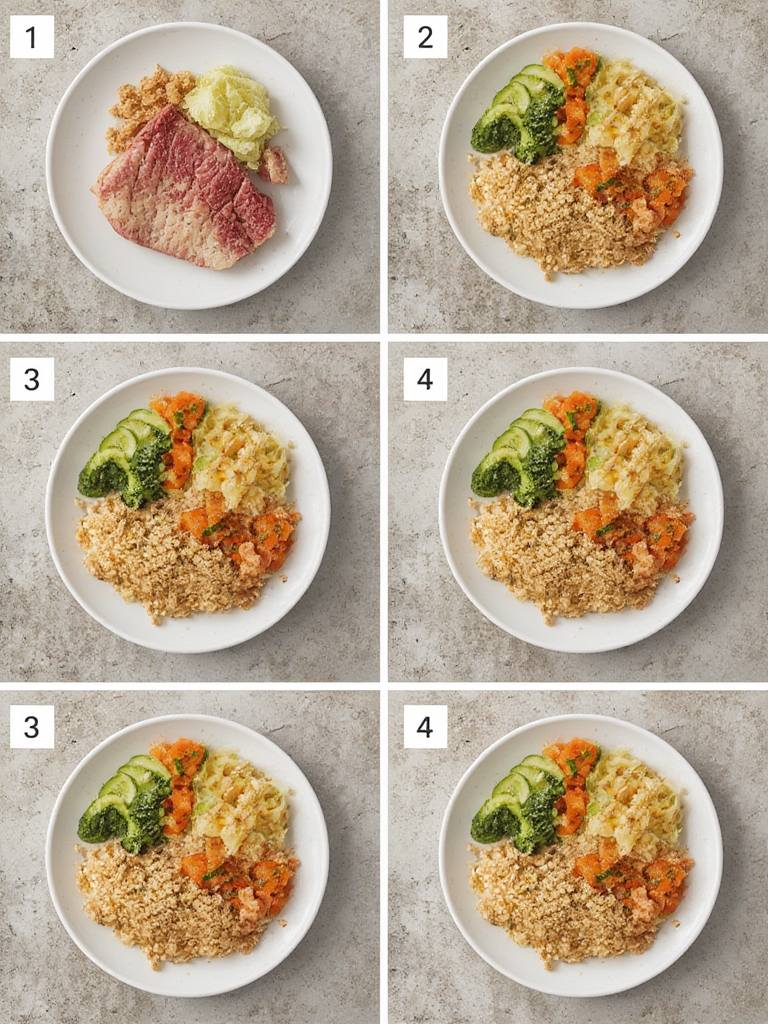
- Base layer: lay a thin smear of sauce or puree as a canvas.
- Middle layer: arrange a small mound of protein or starch.
- Top layer: scatter microgreens and edible flowers sparingly—enough to catch the eye without overwhelming the dish.
Tools for Precise Presentation
Invest in a few simple tools to keep your plating clean and consistent:
- Micro‑spatulas for delicate placement.
- Fine‑tipped tweezers for positioning individual petals.
- Ring molds to create uniform circles of purée or grain.
Maintaining a Continuous Supply
To ensure you always have fresh aesthetic greens on hand, set up a rotating schedule:
- Start a new tray every 3 days.
- Harvest each tray as soon as the greens reach optimal size.
- Recycle the spent soil by composting it, then refill with fresh medium for the next batch.
This staggered approach guarantees a steady flow of vibrant garnish without the need for large storage space.
Final Thoughts
Integrating home‑grown microgreens and edible flowers into your culinary repertoire not only boosts visual appeal but also adds fresh, nuanced flavors. By following the straightforward growing steps and applying thoughtful styling techniques, you’ll transform ordinary plates into Instagram‑ready works of art—every single day.