
Comfort food has always been about nostalgia, warmth, and the simple joy of a familiar flavor. In recent years, home cooks are reimagining these classics by incorporating fresh, home‑grown ingredients that add new layers of taste, texture, and nutrition. One of the most versatile plants for this culinary makeover is basil. Its aromatic leaves can transform a bland mac and cheese into a fragrant, herb‑infused masterpiece, or elevate a humble chicken pot pie with a fresh, peppery finish. Below is a step‑by‑step guide to growing basil at home, followed by three reinvented comfort‑food recipes that showcase the herb’s potential.
Why Grow Your Own Basil?
Growing basil isn’t just about having a fresh herb on hand; it’s about connecting the garden to the kitchen. Fresh basil retains its essential oils better than store‑bought leaves, delivering brighter flavor and more antioxidants. Moreover, the act of nurturing a plant can be a calming ritual that complements the soothing nature of comfort food.
Step‑by‑Step Guide to Growing Basil
1. Choose the Right Variety
- Sweet Basil – Ideal for classic Italian dishes and pesto.
- Thai Basil – Offers a hint of licorice, perfect for Asian‑inspired comfort meals.
- Purple Basil – Adds visual flair and a slightly milder flavor.
Tip: Start with Sweet Basil if you’re new to herb gardening; it’s the most forgiving.
2. Select a Growing Container
- Use a pot that’s at least 6‑8 inches deep with drainage holes.
- For indoor growers, a 12‑inch window‑sill pot works well.
- Consider a self‑watering container to maintain consistent moisture.
Trick: Place a saucer beneath the pot to catch excess water and prevent root rot.
3. Prepare the Soil
- Mix equal parts potting mix, compost, and perlite for aeration.
- Incorporate a slow‑release organic fertilizer (e.g., 10‑10‑10) at planting time.
Actionable advice: Lightly tamp the soil after filling the pot to eliminate air pockets, but avoid compacting it.
4. Plant the Seeds or Seedlings
- If sowing seeds, scatter them on the surface and cover with a thin layer of soil (about ¼ inch).
- For seedlings, plant them at the same depth they were in their original container.
- Space each plant 6‑8 inches apart to allow airflow.
Tip: Water gently with a spray bottle until the soil is moist but not soggy.
5. Provide Light and Water
- Place the pot where it receives 6‑8 hours of direct sunlight daily.
- Water when the top inch of soil feels dry; aim for consistent moisture, not waterlogging.
- Morning watering reduces the risk of fungal diseases.
Trick: Rotate the pot every few days to ensure even growth on all sides.
6. Harvest and Maintain
- Begin harvesting once the plant has at least four sets of leaves.
- Pinch off the top set of leaves just above a node to encourage bushier growth.
- Remove any flower buds promptly; flowering signals the plant to divert energy away from leaf production.
Actionable advice: Harvest in the morning after dew has dried for the most flavorful leaves.
Reinventing Comfort Food with Fresh Basil
1. Basil‑Infused Mac and Cheese
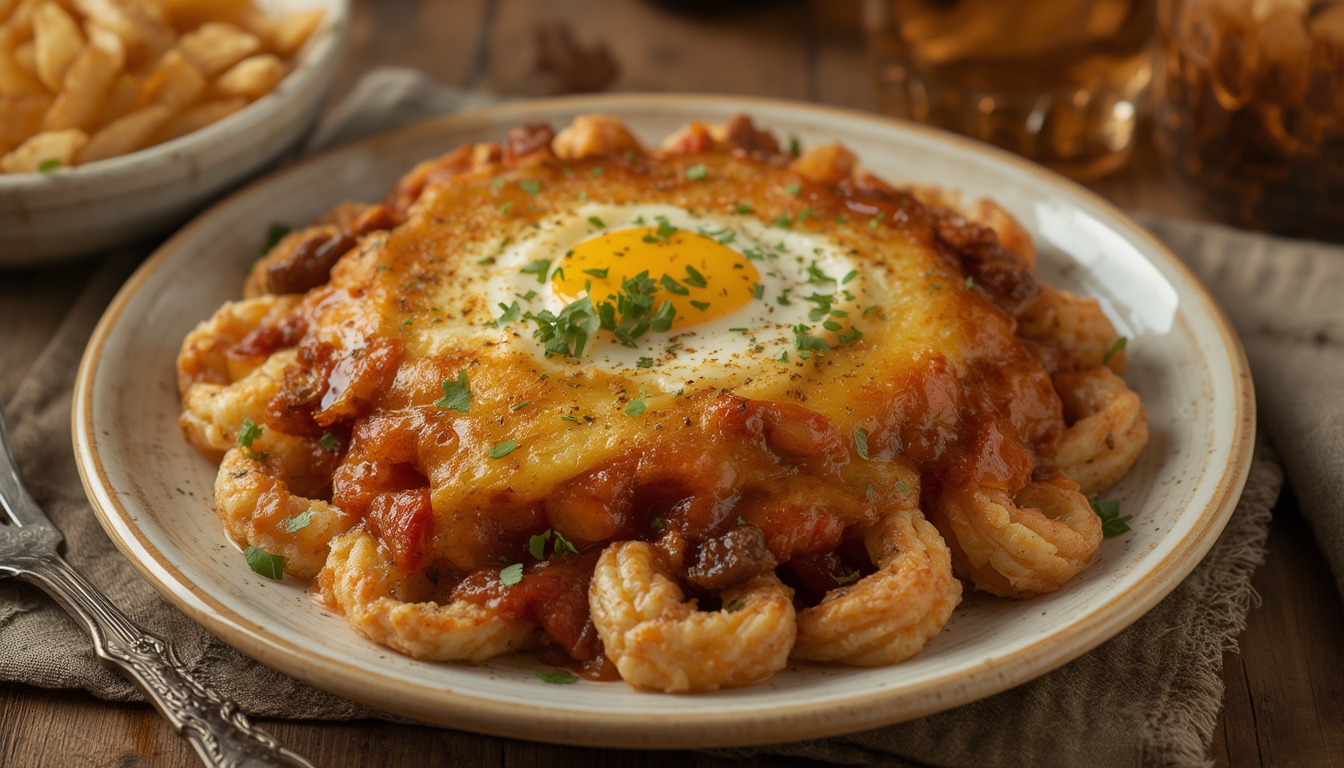
Traditional mac and cheese gets a bright lift by blending a handful of chopped fresh basil into the cheese sauce. The herb’s aromatic oils cut through the richness, creating a balanced bite. For extra depth, stir in a splash of white wine and a pinch of smoked paprika before adding the cheese.
2. Creamy Basil Chicken Pot Pie
Swap out the standard thyme for a generous amount of chopped basil in the filling. The herb pairs beautifully with the creamy sauce and tender chicken, offering a fresh twist on a classic. Top the pie with a flaky crust brushed with olive oil and a sprinkle of grated Parmesan for a golden, savory finish.
3. Sweet Potato Basil Gratin
Layer thinly sliced sweet potatoes with a béchamel sauce infused with basil leaves. The sweet earthiness of the potatoes is complemented by the herb’s peppery notes, while a breadcrumb topping adds a satisfying crunch. Bake until bubbling and golden for a comforting side dish that feels both familiar and novel.
Practical Tips for Success
- Monitor Temperature: Basil thrives between 70‑85°F (21‑29°C). If indoor temperatures dip, consider a grow light.
- Prevent Pests: Use neem oil or insecticidal soap if you notice aphids or spider mites.
- Rotate Crops: After the basil’s season ends, plant a quick‑growing lettuce or radish in the same pot to keep the soil productive.
- Preserve Excess: Freeze chopped basil in olive oil ice‑cube trays for ready‑to‑use portions in future comfort‑food recipes.
By growing your own basil and incorporating it into beloved dishes, you not only enhance flavor but also add a personal, garden‑fresh touch to every meal. The process is simple, the results are delicious, and the satisfaction of turning a home‑grown herb into a comforting culinary experience is truly rewarding.