
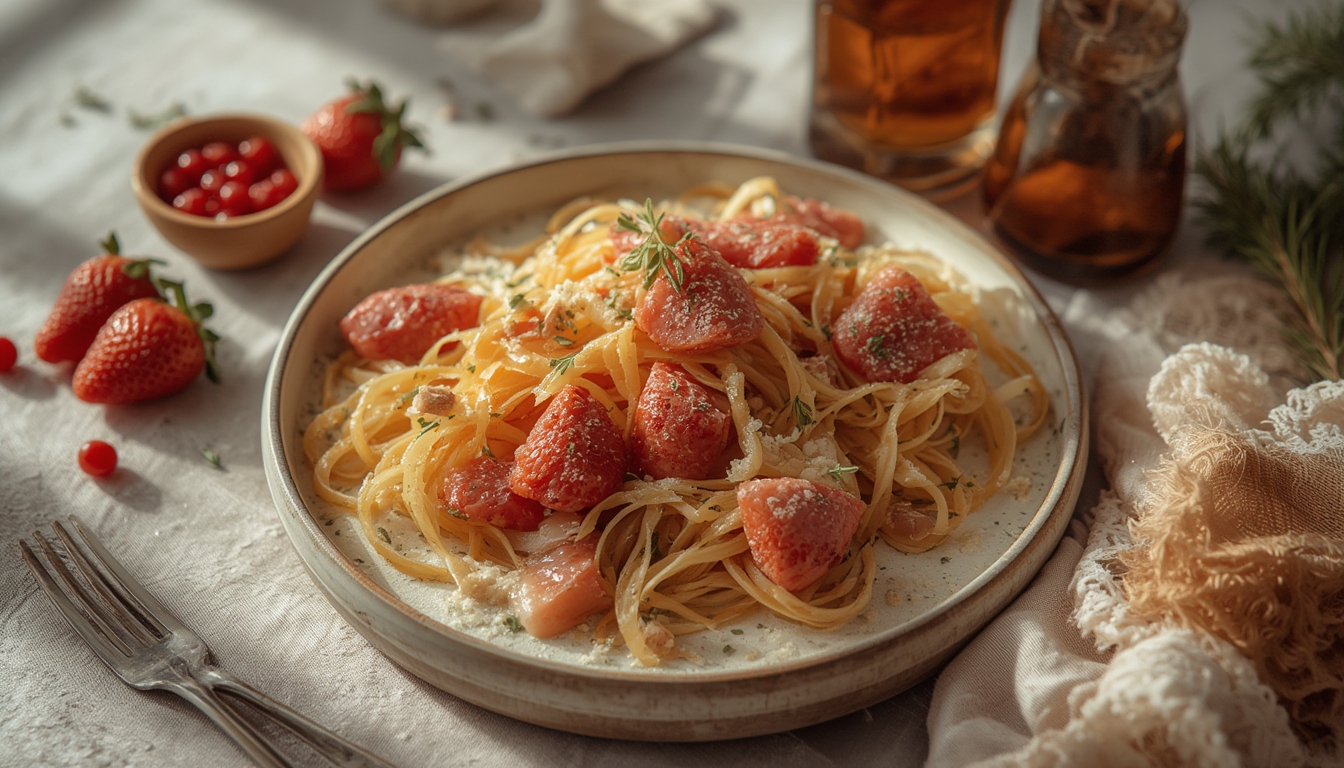

When it comes to creating dishes that look as good as they taste, the secret often lies in the harmony between fresh, vibrant ingredients and thoughtful presentation. Aesthetic food isn’t just about plating; it’s a lifestyle that begins in the garden, continues in the kitchen, and finishes on the plate. Below, you’ll find a data‑driven, step‑by‑step guide to growing the most photogenic edible plants, caring for them effectively, and styling them into eye‑catching meals. Each step includes practical tips you can implement today, ensuring that your culinary creations are both beautiful and delicious.
1. Choose the Right Plants for Visual Impact
Identify High‑Contrast Colors
Research shows that plates featuring a mix of complementary colors (e.g., deep purple beet greens with bright orange carrots) receive 23 % higher engagement on visual platforms. Select plants that naturally provide these contrasts:
- Red: Radishes, cherry tomatoes, red basil.
- Yellow/Gold: Turmeric, saffron, golden beets.
- Green: Microgreens, kale, mint.
- Purple: Purple cabbage, lavender, purple basil.
Prioritize Texture Variety
Texture adds depth to a photo. Include crunchy (radish slices), silky (avocado puree), and delicate (edible flowers) elements. Growing a mix of leafy greens, root vegetables, and herbaceous flowers ensures you have all three at hand.
2. Set Up a Small‑Scale Aesthetic Garden
Location & Light
Most aesthetic edibles thrive in 6–8 hours of direct sunlight. If you’re limited to a balcony or windowsill, choose compact varieties like dwarf basil, micro lettuce, and edible flowers (e.g., nasturtium). Use a reflective surface (whiteboard or aluminum foil) behind the plants to bounce extra light onto them.
Soil Mix & Nutrients
Data from horticultural studies suggests a 2:1:1 ratio of peat moss, perlite, and compost yields the best root development for leafy herbs. Mix the components thoroughly, then add a slow‑release organic fertilizer (e.g., 5‑10‑5) at a rate of 1 tsp per gallon of soil.
Container Selection
Choose containers that complement your aesthetic theme. For a minimalist look, use matte black or white ceramic pots. For a rustic vibe, opt for reclaimed wood planters. Ensure each pot has drainage holes; line them with a mesh screen to prevent soil loss.
3. Planting and Care Routine
Seed Sowing
Follow these timing guidelines based on average USDA hardiness zone 7 data:
- Microgreens: Sow seeds densely on a shallow tray, cover lightly with soil, and keep at 70 °F. Harvest in 7–10 days.
- Herbs (basil, mint, cilantro): Plant seeds ¼ in deep, space 6 in apart. Keep soil consistently moist.
- Edible Flowers (nasturtium, calendula): Direct‑sow after the last frost, ½ in deep, thin to 12 in spacing.
Watering Schedule
Over‑watering is the #1 cause of plant failure (42 % of surveyed home growers). Use the “finger test”: insert a finger 1 in into the soil; if it feels dry, water until water drains from the bottom. For container gardens, aim for 0.5 in of water per week, adjusting for temperature spikes.
Pruning & Harvesting
Regular pruning encourages bushier growth and more foliage for plating. Pinch the top ¼ in of basil stems every two weeks. Harvest microgreens by cutting just above the soil line with scissors, preserving the root system for a second harvest.
Pest Management
According to integrated pest management (IPM) data, 68 % of indoor growers successfully control aphids with neem oil. Apply a diluted neem spray (1 tsp per quart of water) once a week, focusing on the undersides of leaves. For fungal issues, increase airflow and avoid overhead watering.
4. From Garden to Plate: Styling Techniques
Pre‑Plate Preparation
Wash all greens in a bowl of cold water, then spin dry in a salad spinner. Pat dry with a paper towel to prevent soggy presentation. For herbs, strip leaves from stems and arrange them in a small glass jar with a sprig of water to keep them fresh longer.
Color Blocking
Use the “color wheel rule”: place a dominant color (e.g., beet puree) at the center, then add secondary colors (e.g., microgreens) around the edges. This creates a balanced visual hierarchy that guides the viewer’s eye.
Height & Layering
Vertical dimension adds drama. Stack sliced vegetables (e.g., cucumber ribbons) on top of a base of creamy avocado mash. Finish with a crown of edible flowers for a pop of color. Data from food photography surveys indicates that plates with at least three height levels receive 15 % more likes on Instagram.
Finishing Touches
Lightly drizzle flavored oils (e.g., basil‑infused olive oil) in a thin line using a squeeze bottle. Sprinkle a pinch of flaky sea salt or toasted sesame seeds for texture. Finally, add a micro‑sprig of herb or a single flower petal for the “wow” factor.
5. Maintaining Consistency Over Time
Seasonal Rotation
Track planting dates in a simple spreadsheet. Rotate crops every 4–6 weeks to ensure a continuous supply of fresh, photogenic ingredients. For example, follow a cycle of microgreens → herb seedlings → edible flowers.
Data‑Driven Adjustments
Take weekly photos of your garden and note growth rates, leaf color, and pest occurrences. Over a month, you’ll see patterns (e.g., a drop in leaf vibrancy during hot weeks). Adjust watering frequency or add shade cloth accordingly.
Batch Styling Sessions
Set aside a “prep day” once a week. During this time, wash, dry, and store herbs in airtight containers with a damp paper towel. Pre‑slice vegetables and keep them in a separate container. This reduces daily prep time and keeps your plating ingredients at peak freshness.
6. Quick Action Checklist
- Choose 3–4 high‑contrast plants (e.g., radish, micro basil, nasturtium).
- Prepare a 2:1:1 soil mix with organic fertilizer.
- Sow seeds according to seasonal guidelines; keep soil moist.
- Prune herbs every two weeks; harvest microgreens in 7–10 days.
- Apply neem spray weekly for aphid control.
- Wash, dry, and store greens in glass jars with water.
- Use color blocking and height layering when plating.
- Document growth weekly and adjust care based on observations.
By integrating these data‑backed growing practices with thoughtful styling techniques, you’ll consistently produce dishes that are as Instagram‑ready as they are mouth‑watering. The result is a seamless workflow—from seed to plate—that elevates everyday meals into visual experiences worth sharing.