
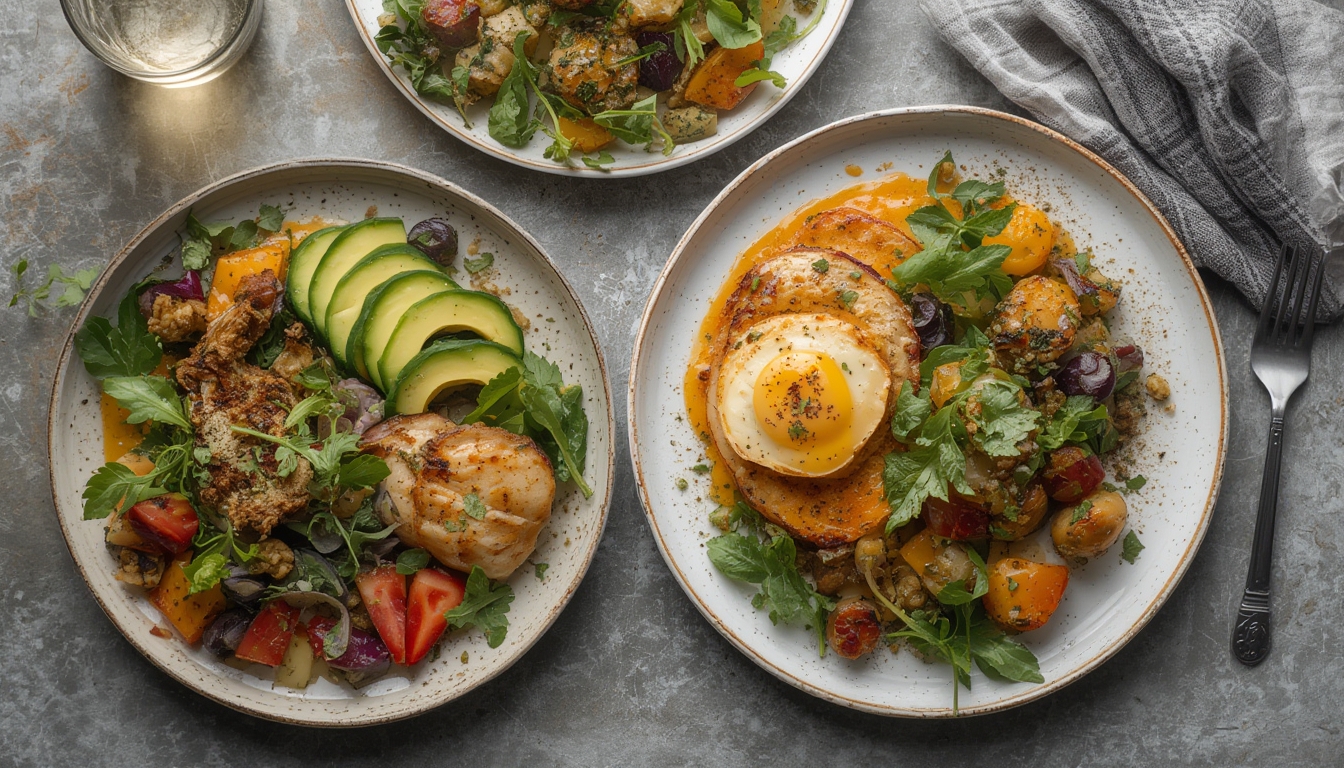
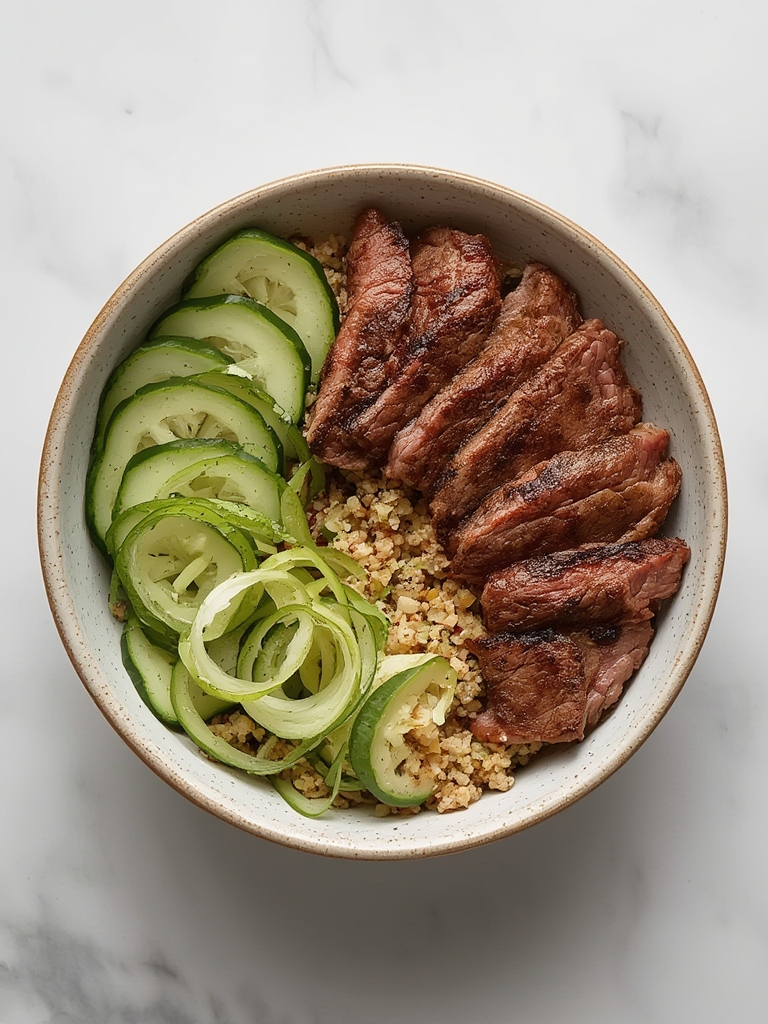
Embracing a plant‑forward, flexitarian plate doesn’t mean you have to give up the foods you love—it simply shifts the spotlight to vegetables, legumes, whole grains, and nuts while still allowing occasional animal‑based proteins. By following a clear, data‑driven approach, you can create vibrant meals that boost nutrition, reduce environmental impact, and keep your taste buds excited. Below is a step‑by‑step guide that walks you through planning, sourcing, prepping, and cooking a balanced plant‑forward flexitarian plate, complete with practical tips you can apply today.
Step 1: Assess Your Kitchen and Set Realistic Goals
Take inventory of pantry staples
- List all canned beans, lentils, whole grains (brown rice, quinoa, farro), nuts, seeds, and spices.
- Mark items that are near expiration and plan to use them first to reduce waste.
Define your flexitarian ratio
Research shows that a 70 % plant‑based, 30 % animal‑based split delivers measurable health benefits while keeping meals satisfying. Write down a simple target—e.g., “Three plant‑forward meals per week, two flex meals with a modest portion of fish or poultry.”
Step 2: Choose Seasonal, Local Produce
Use data from farmers’ markets or community-supported agriculture (CSA) boxes
Seasonal produce not only tastes better but also costs less. Check your local market’s weekly flyer or a CSA website to see what’s in season. For example, in spring you’ll find asparagus, peas, and radishes; in fall, think squash, kale, and apples.
Tip: Create a “seasonal cheat sheet”
Print a small chart that matches each month with 3–5 peak vegetables and fruits. Keep it on your fridge so you can quickly reference it when planning meals.
Step 3: Build a Balanced Plate Framework
Follow the ½‑vegetable, ¼‑protein, ¼‑whole grain rule
Data from nutrition studies suggest this ratio maximizes fiber intake while providing adequate protein and complex carbs. Visualize your plate: fill half with colorful veggies, a quarter with a protein source (legumes, tofu, or a modest portion of fish), and the remaining quarter with whole grains.
Actionable tip: Use a divided plate or a simple drawing
Before cooking, sketch a quick diagram of your plate. This visual cue helps you stay on target without having to measure every ingredient.
Step 4: Source High‑Quality Plant Proteins
Legumes and pulses
Beans, chickpeas, and lentils are protein powerhouses. A ½‑cup cooked serving provides roughly 7–9 g of protein and 8 g of fiber. Soak dry beans overnight to cut cooking time and improve digestibility.
Tofu, tempeh, and edamame
These soy‑based options deliver a complete amino acid profile. Press tofu for at least 15 minutes to remove excess water, then marinate in a mixture of soy sauce, garlic, and a splash of citrus for extra flavor.
Animal proteins (flex portion)
Choose lean fish (salmon, sardines) or poultry breast. Aim for a 3‑ounce serving—about the size of a deck of cards—to keep the flex portion within the 30 % guideline.
Step 5: Master Simple Prep Techniques
Batch‑cook grains and legumes
Cook a large pot of quinoa or brown rice at the start of the week. Store in airtight containers in the fridge for up to five days. The same goes for cooked beans—once cooled, they freeze well for up to three months.
Pre‑chop vegetables
Use a sharp chef’s knife or a mandoline to slice carrots, bell peppers, and zucchini into uniform pieces. Store them in a single layer on a parchment‑lined tray; this prevents sogginess and speeds up stir‑frying or roasting.
Quick tip: “One‑pan” cooking
Combine a grain, a protein, and veggies on a sheet pan. Drizzle with olive oil, sprinkle herbs, and roast at 400 °F for 20‑25 minutes. This method reduces cleanup and ensures even cooking.
Step 6: Flavor Without Over‑Reliance on Salt
Use herbs, spices, and acid
Data from flavor‑profile studies show that a combination of fresh herbs (basil, cilantro), spices (cumin, smoked paprika), and acid (lemon juice, vinegar) can enhance taste while keeping sodium low. Add a pinch of sea salt at the end of cooking, not the beginning.
Actionable tip: Build a “flavor pantry”
Keep a small jar of mixed dried herbs (Italian blend, za’atar) and a bottle of quality extra‑virgin olive oil on hand. A teaspoon of each can transform a bland stir‑fry into a restaurant‑quality dish.
Step 7: Plate Presentation for Maximum Appeal
Color contrast
Research indicates that meals with a variety of colors increase perceived freshness and satisfaction. Pair deep‑green kale with bright orange carrots and purple cabbage for a visual feast.
Texture variety
Combine crunchy (raw nuts, toasted seeds) with creamy (avocado, hummus) and tender (roasted vegetables) elements. This multi‑textural approach keeps the palate engaged.
Simple garnish
Finish each plate with a sprinkle of toasted sesame seeds, a drizzle of tahini, or a few fresh herb leaves. These small touches add flavor depth without extra effort.
Step 8: Track Your Progress and Adjust
Use a food diary or app
Log each meal’s components—vegetable servings, protein type, grain portion. Over a week, you’ll see patterns and can tweak portions to better meet the 70/30 ratio.
Review nutrient data
Many free nutrition calculators let you input ingredients and receive macro breakdowns. Aim for at least 25 g of fiber and 50 g of protein per day, adjusting as needed.
Actionable tip: Monthly “plate audit”
Every four weeks, compare your diary to your goals. Celebrate successes (e.g., “I hit plant‑forward meals 5 days a week”) and set one small improvement for the next month.
By following these eight steps, you’ll create a sustainable, delicious, and nutritionally balanced plant‑forward flexitarian plate that fits seamlessly into a busy lifestyle. The key is consistency—small, data‑backed adjustments each week lead to lasting habits and a healthier you.