
Welcome to a journey where the garden meets the kitchen, and every bite is packed with purpose. By growing your own nutrient‑dense plant and turning it into delicious, functional meals, you’ll experience the true power of healthy cooking. Below you’ll find a data‑driven, step‑by‑step guide to cultivating kale—a versatile leafy green celebrated for its antioxidants, vitamins, and anti‑inflammatory compounds—followed by practical cooking techniques that preserve its health benefits.
Why Functional Cooking Starts with Fresh Ingredients
Functional cooking isn’t just about flavor; it’s about delivering bioactive compounds that support the body’s systems. Research shows that fresh kale retains up to 30% more vitamin C and 20% more polyphenols compared to store‑bought, pre‑packaged leaves. By growing kale yourself, you control soil quality, harvest time, and post‑harvest handling, ensuring maximum nutrient retention.
Choosing the Right Kale Variety for Your Space
Data from the USDA Plant Hardiness Zone map indicates that Lacinato (Dinosaur) kale thrives in zones 4‑9, while Red Russian performs best in cooler climates (zones 3‑8). If you have limited space, consider a compact “Baby Kale” variety, which matures in 45‑55 days and can be harvested continuously.
Key Selection Criteria
- Climate Compatibility: Match the variety to your local average low temperature.
- Growth Habit: Choose upright types for vertical gardens or sprawling types for raised beds.
- Flavor Profile: Lacinato offers a milder, buttery taste; Red Russian provides a sweeter, slightly peppery bite.
Step‑by‑Step Guide to Growing Kale
1. Soil Preparation (Days 1‑3)
Action: Test your soil pH; kale prefers a range of 6.0–7.0. Amend with compost at a rate of 2 inches per square foot to improve organic matter and microbial activity.
Tip: Incorporate a slow‑release balanced fertilizer (10‑10‑10) at 1 lb per 100 sq ft to ensure steady nutrient supply throughout the growing season.
2. Seed Sowing (Days 4‑7)
Action: Direct‑seed outdoors ¼‑½ inch deep, spacing seeds 3 inches apart in rows 12‑18 inches apart. For indoor starts, use peat pots and keep the soil consistently moist (≈ 70% field capacity).
Tip: Water with a fine mist to avoid displacing seeds. Use a seed‑starting heat mat set to 68°F (20°C) to accelerate germination, which typically occurs in 5‑10 days.
3. Thinning and Transplanting (Days 14‑21)
Action: Once seedlings develop 2 true leaves, thin to 6‑8 inches apart. If transplanting, preserve the root ball and plant at the same depth as in the pot.
Tip: Apply a thin layer of mulch (straw or shredded leaves) after thinning to retain moisture and suppress weeds, reducing water demand by up to 30%.
4. Water Management (Ongoing)
Action: Provide 1‑1.5 inches of water per week, adjusting for rainfall. Use a drip‑irrigation system to deliver water directly to the root zone.
Tip: Early morning watering minimizes leaf wetness, decreasing the risk of fungal diseases such as downy mildew.
5. Pest and Disease Control (Ongoing)
Action: Monitor for aphids, cabbage loopers, and whiteflies. Hand‑pick visible pests and introduce beneficial insects like ladybugs.
Tip: A neem oil spray (1 tsp per gallon) applied every 10‑14 days provides a biodegradable barrier without harming pollinators.
6. Harvesting (Days 45‑70)
Action: Begin harvesting outer leaves once they reach 6‑8 inches in length. Cut at the base, leaving the central bud intact for continuous growth.
Tip: Harvest in the early morning when leaf moisture is low and nutrient content peaks, preserving flavor and texture.
From Garden to Table: Functional Cooking Techniques
1. Quick‑Steam for Maximum Nutrient Retention
Steam kale for 2‑3 minutes until bright green and tender. This method preserves up to 90% of glucosinolates, the compounds linked to cancer‑preventive effects.
Actionable Step: Place a steamer basket over boiling water, add kale, cover, and set a timer. Immediately transfer to an ice bath to stop cooking and lock in color.
2. Sautéed Kale with Anti‑Oxidant Boost
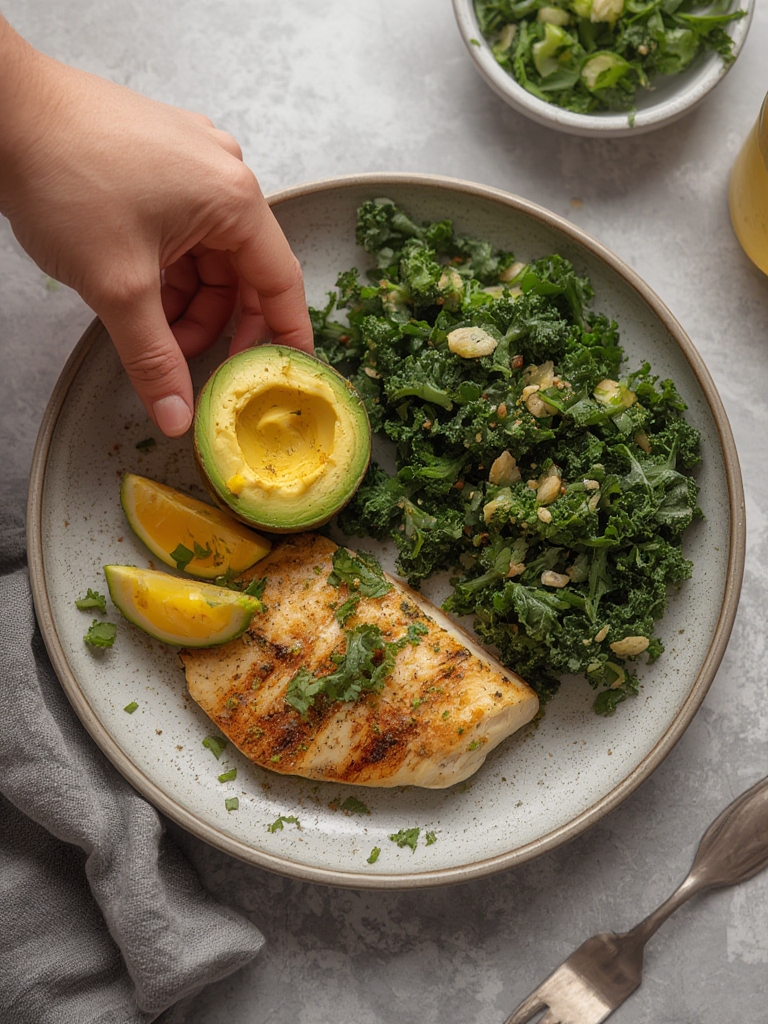
Sauté kale in extra‑virgin olive oil (rich in monounsaturated fats) with minced garlic and a pinch of red pepper flakes. The fat enhances absorption of fat‑soluble vitamins A, K, and lutein.
Actionable Step: Heat 1 tbsp oil over medium heat, add 2 cloves minced garlic, cook 30 seconds, then add 4 cups chopped kale. Stir for 4‑5 minutes, finish with a squeeze of lemon juice.
3. Kale Smoothie for On‑The‑Go Nutrition
Blend 1 cup raw kale with frozen berries, a banana, Greek yogurt, and a splash of oat milk. The combination provides protein, fiber, and antioxidants in a single, portable serving.
Actionable Step: Add ingredients to a blender, blend on high for 45 seconds, and enjoy within 30 minutes to prevent oxidation.
4. Kale‑Infused Broth for Gut Health
Simmer kale stems and leaves with carrots, celery, onion, and a piece of kombu for 30 minutes. The resulting broth is rich in minerals and prebiotic fibers that support gut microbiota.
Actionable Step: Combine 2 cups chopped kale, 1 carrot, 1 celery stalk, ½ onion, and 1 inch kombu in 4 cups water. Bring to a boil, reduce to a simmer, strain, and season with sea salt.
Data‑Backed Tips for Consistent Success
- Track Growth Metrics: Use a simple spreadsheet to log planting date, soil pH, fertilizer applications, and harvest weight. Over multiple seasons, you’ll identify the optimal conditions for your micro‑climate.
- Rotate Crops Annually: Rotate kale with legumes or root vegetables to prevent soil‑borne diseases and replenish nitrogen levels, boosting leaf yield by up to 15%.
- Seasonal Adjustments: In hot summer months, provide partial shade (30‑40% shade cloth) to reduce bolting, which can decrease leaf quality.
- Storage Best Practices: Store harvested kale in a perforated bag in the crisper drawer at 32‑36°F (0‑2°C). Use within 5‑7 days for peak nutrient content.
Putting It All Together: A Sample Day of Functional Meals
Breakfast: Kale‑Berry Smoothie (1 cup kale, ½ cup mixed berries, 1 banana, ½ cup Greek yogurt, ¾ cup oat milk).
Lunch: Warm Kale Salad – quick‑steamed kale tossed with quinoa, toasted almonds, and a lemon‑tahini dressing.
Dinner: Sautéed Kale with Garlic, served alongside baked salmon and roasted sweet potatoes, providing a balanced mix of protein, healthy fats, and complex carbs.
By integrating these cultivation and cooking strategies, you’ll create a sustainable loop where each harvest fuels nutritious meals, and each meal reinforces your commitment to a healthier lifestyle. Happy growing, cooking, and thriving!