
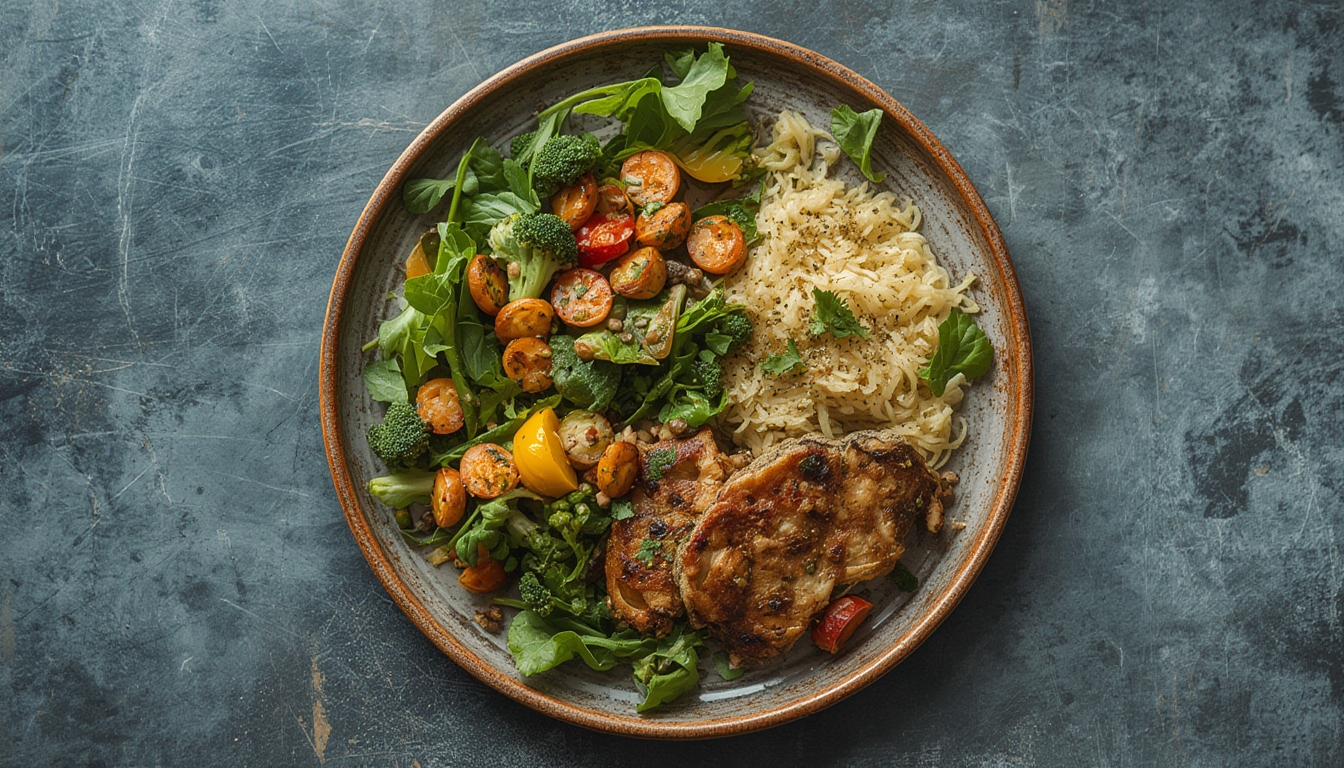
Embracing a plant‑forward lifestyle doesn’t mean you have to give up all animal‑based foods; it simply shifts the spotlight to vegetables, legumes, whole grains, and herbs as the main stars on your plate. For flexitarians—those who enjoy a balanced mix of plant‑based meals with occasional meat or dairy—this approach offers flexibility, nutrition, and flavor without feeling restrictive. Below is a data‑driven, step‑by‑step guide that walks you through growing the key ingredients at home and assembling vibrant, nutrient‑dense plates that satisfy both plant‑forward and flexitarian cravings.
Why Plant‑Forward & Flexitarian Meals Work
Research from the Harvard T.H. Chan School of Public Health shows that diets rich in plant foods reduce the risk of heart disease, type 2 diabetes, and certain cancers by up to 30 %. Meanwhile, a flexitarian pattern—adding modest portions of high‑quality protein like fish, poultry, or dairy—helps meet essential amino acid needs and supports muscle maintenance. Combining these two strategies maximizes nutrient density while keeping meals enjoyable and sustainable.
Choosing the Right Plants for Your Kitchen Garden
Start with crops that are easy to grow, versatile in the kitchen, and packed with nutrients. Based on USDA production data, the following five plants deliver the highest return on effort for home growers:
- Leafy Greens (spinach, kale, arugula) – high in iron, calcium, and vitamin K.
- Legumes (snap peas, edamame, chickpeas) – excellent plant protein and fiber.
- Root Vegetables (carrots, beets, radishes) – natural sweetness and beta‑carotene.
- Herbs (basil, cilantro, mint) – flavor boosters that reduce the need for excess salt.
- Alliums (green onions, garlic) – antioxidants and immune‑supporting compounds.
Step‑by‑Step Guide to Growing Your Core Ingredients
1. Soil Preparation
Action: Mix equal parts compost, peat moss, and perlite to create a light, well‑draining medium. Test the pH; aim for 6.0–6.8 for most vegetables.
Tip: Add a handful of bone‑free fish emulsion fertilizer to boost nitrogen, which is crucial for leafy growth.
2. Sowing Seeds
Action: Plant seeds ¼ inch deep for greens and herbs, and ½–1 inch deep for root vegetables. Space greens 2–3 inches apart, legumes 4–6 inches, and roots 3–4 inches.
Tip: Use a seed‑starting tray for herbs; this speeds germination and lets you transplant seedlings into larger pots once they have two true leaves.
3. Watering & Mulching
Action: Water gently to keep the soil consistently moist but not soggy. Apply a 1‑inch layer of straw or shredded leaves as mulch to retain moisture and suppress weeds.
Tip: Set a timer for 5‑minute morning watering sessions; this prevents fungal growth that thrives in prolonged dampness.
4. Light & Temperature Management
Action: Position containers where they receive at least 6 hours of direct sunlight daily. For cooler climates, use a simple row cover to maintain temperatures between 60–75 °F.
Tip: Rotate pots weekly to ensure even light exposure, especially for leafy greens that can become leggy on one side.
5. Harvesting
Action: Begin harvesting leaf greens when they reach 2–3 inches tall—snip the outer leaves first to encourage continuous growth. Pull root vegetables once the tops start to yellow, and pick legumes when pods are firm but before they harden.
Tip: Harvest in the early morning for the crispest texture and highest nutrient retention.
Building a Balanced Flexitarian Plate
Step 1: Choose a Plant‑Heavy Base
Start with a generous portion of mixed greens, roasted root vegetables, or a grain like quinoa. Aim for at least ½ of your plate (≈ 3 cups) to be plant‑derived. Data from the Mediterranean Diet Score indicates that a larger plant base correlates with lower inflammation markers.
Step 2: Add a Lean Protein
Incorporate 3–4 oz of animal protein (grilled chicken breast, wild‑caught salmon, or a modest portion of cheese) or a plant protein equivalent (½ cup cooked chickpeas, lentils, or edamame). This balances amino acids and keeps you satiated longer.
Step 3: Layer Flavor Boosters
Top the plate with freshly chopped herbs, a squeeze of citrus, and a drizzle of extra‑virgin olive oil. Research shows that adding herbs can reduce sodium usage by up to 30 % while enhancing palatability.
Step 4: Finish with Texture
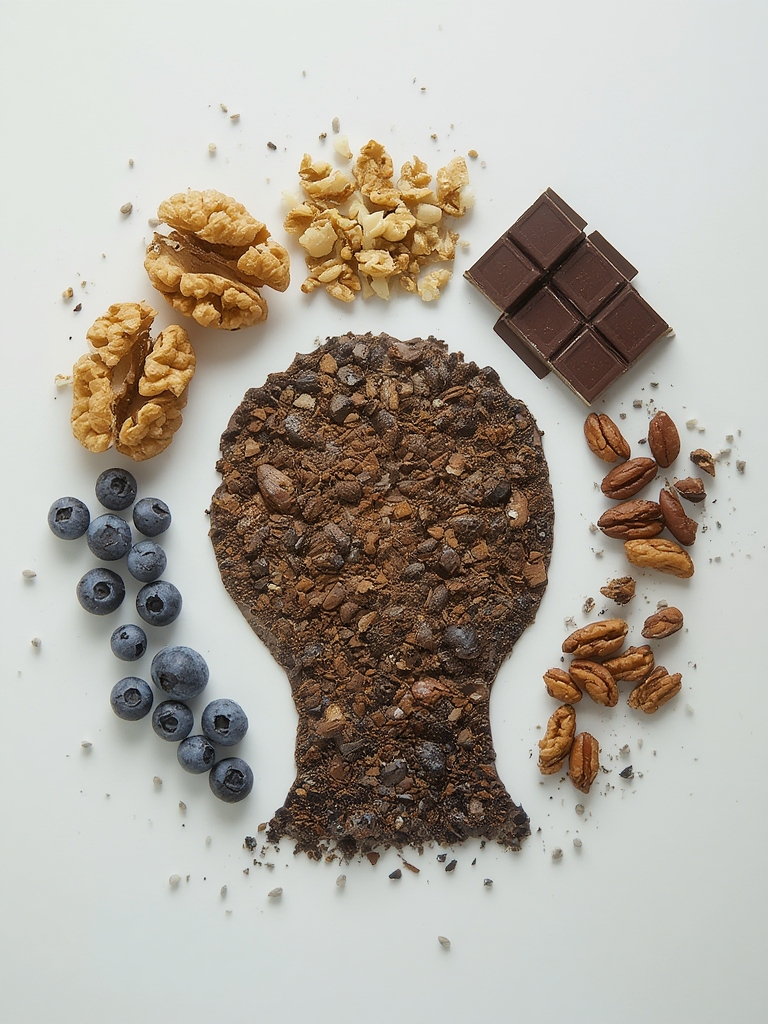
Include a handful of nuts, seeds, or toasted whole‑grain croutons for crunch. These add healthy fats and micronutrients like magnesium and zinc.
Practical Tips & Tricks for Consistent Success
- Batch‑Prep Greens: Wash, spin dry, and store in airtight containers with a paper towel to absorb excess moisture. This extends freshness up to 10 days.
- Seasonal Rotation: Plant a new batch of greens every 2–3 weeks. Continuous sowing ensures a steady supply and reduces the risk of pest buildup.
- One‑Pot Meals: Combine legumes, root veg, and herbs in a single sauté pan. This cuts cooking time by 30 % and simplifies cleanup.
- Smart Storage: Keep harvested herbs in a glass of water, covered loosely with a plastic bag, to prolong life for up to 2 weeks.
- Data‑Driven Adjustments: Track yields in a simple spreadsheet (plant, date planted, harvest weight). Over a season, you’ll see which varieties give the best return on space and effort.
By growing your own nutrient‑dense vegetables and integrating them thoughtfully into flexitarian meals, you create a sustainable loop of health, flavor, and convenience. The steps above are designed to be repeatable, data‑informed, and adaptable to any kitchen garden size—whether you have a sunny balcony, a windowsill, or a full backyard plot. Start small, track your progress, and watch your plates transform into vibrant, plant‑forward creations that still honor your occasional animal‑based preferences.