
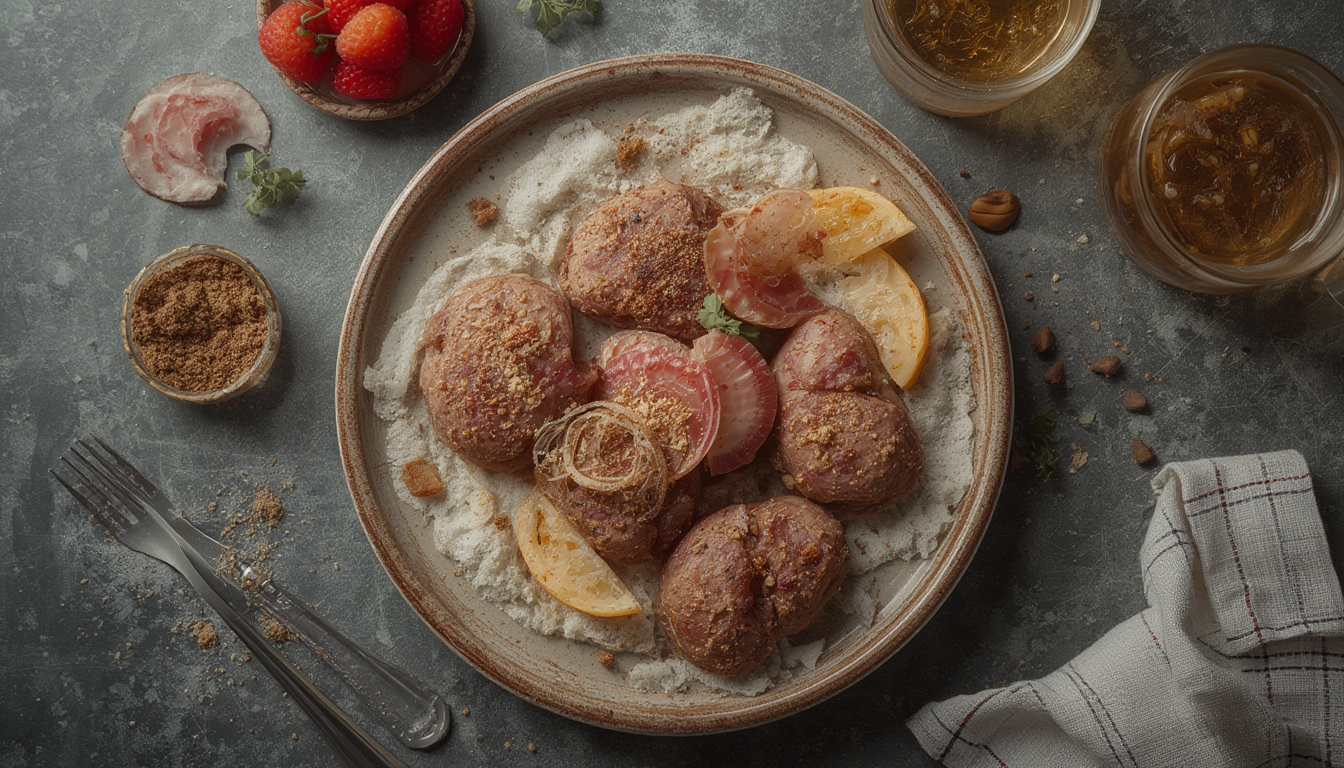

In today’s visual‑driven culinary world, the line between food and art is blurring faster than ever. Chefs, food photographers, and home cooks alike are turning to fresh, vibrant plants not just for flavor, but for the Instagram‑ready aesthetics they bring to every plate. This guide walks you through the entire process—from selecting the right plant to harvesting and styling—so you can consistently create eye‑catching dishes that taste as good as they look.
Why Choose Aesthetic Plants for Food Styling?
Data from Statista shows that 68% of consumers say a dish’s visual appeal influences their decision to try it, while Google Trends reports a 45% year‑over‑year increase in searches for “edible flowers” and “microgreens” since 2020. These numbers underline a clear market demand: people want food that looks as good as it tastes.
Choosing plants that are both flavorful and photogenic gives you a double advantage—enhanced flavor profiles and a natural, colorful garnish that reduces the need for artificial decorations.
Step‑by‑Step Guide to Growing Your Own Aesthetic Plant
1. Choose the Right Species
- Nasturtium (Tropaeolum majus) – Bright orange, red, and yellow blooms with a peppery taste, perfect for salads and garnishes.
- Pansy (Viola × wittrockiana) – Soft pastel petals that add a delicate touch to desserts and cocktails.
- Microgreens (e.g., radish, pea, beet) – Tiny, tender shoots that provide intense color and a burst of flavor.
Tip: For beginners, start with nasturtium because it thrives in a wide range of conditions and produces both leaves and flowers.
2. Prepare the Growing Medium
Use a high‑quality, well‑draining potting mix. A blend of 40% peat moss, 30% perlite, and 30% compost works well for most edible aesthetics.
- pH level: Aim for a slightly acidic to neutral range (6.0–7.0).
- Moisture retention: Add a handful of coconut coir to improve water holding capacity without becoming waterlogged.
Practical tip: Fill the pot to just below the rim and press the soil lightly with a gloved hand to eliminate air pockets.
3. Sowing Seeds
- Scatter seeds evenly over the surface—spacing of 1 cm for microgreens, 3 cm for nasturtium.
- Cover lightly with a thin layer of soil (about 0.5 cm) and gently pat down.
- Water using a fine mist to avoid displacing seeds.
Data point: Studies show that a misting frequency of every 12 hours during germination improves germination rates by up to 20% compared to a single heavy watering.
4. Light & Temperature Requirements
Most aesthetic plants need bright, indirect light.
- Nasturtium: 6–8 hours of filtered sunlight or 12–14 hours under a 4000 K LED grow light.
- Microgreens: 4–6 hours of direct light; a 12‑hour photoperiod accelerates growth.
Maintain a temperature range of 18–24 °C (65–75 °F). For indoor growers, a simple tabletop heater can keep the environment stable during cooler months.
5. Watering & Feeding
Consistency is key. Over‑watering can cause root rot, while under‑watering leads to stunted growth.
- Water when the top 1 cm of soil feels dry to the touch.
- Use a balanced organic fertilizer (10‑10‑10) at half the recommended strength once seedlings develop true leaves.
Quick tip: Add a few drops of liquid seaweed extract weekly to boost chlorophyll, resulting in richer green tones that pop in photos.
6. Managing Pests & Diseases
Because aesthetic plants are often used raw, keep pest control organic.
- Neem oil spray: Apply a 1 % solution every 7 days.
- Companion planting: Plant basil or marigold nearby to deter aphids and whiteflies.
- Air circulation: A small fan set on low helps prevent fungal growth.
Statistical insight: Gardens that employ companion planting see a 30% reduction in pest incidents, according to a 2022 University of California extension study.
7. Harvesting for Maximum Visual Impact
Timing is crucial. Harvest at the peak of color and flavor.
- Nasturtium leaves: When they reach 5–7 cm in length, before they become too bitter.
- Flowers: Early morning, when buds are fully open and turgid.
- Microgreens: 7–14 days after sowing, when the first true leaves appear.
Actionable tip: Use clean, sharp scissors to cut stems at a 45° angle. This reduces damage and encourages fresh growth for a second harvest.
Styling Your Dishes with Fresh Aesthetic Plants
1. Color Theory in Food Presentation
Leverage complementary colors to make dishes pop. For example, pair bright orange nasturtium flowers with deep‑red beet puree for a striking contrast.
Data from a 2021 culinary psychology study indicates that dishes with complementary color schemes increase perceived taste intensity by 12%.
2. Textural Balance
Combine the crispness of microgreen stems with the delicate softness of flower petals. This contrast adds visual interest and a multi‑sensory eating experience.
3. Placement Techniques
- Radial arrangement: Position petals in a circular pattern around the plate’s center for a harmonious look.
- Linear accent: Lay a thin line of microgreens along the edge of a sauce drizzle to guide the eye.
- Layered height: Stack a few nasturtium leaves under a protein, then top with a single flower to create depth.
4. Preserving Freshness Until Service
Store harvested plants in a breathable produce bag with a damp paper towel. Keep them refrigerated at 4 °C (39 °F) and use within 24 hours for optimal color retention.
Data‑Driven Tips for Consistent Success
Tracking your growth metrics can dramatically improve results. Keep a simple spreadsheet with columns for sowing date, germination rate, light hours, temperature, and harvest yield. Over a few cycles, you’ll identify patterns—such as the exact light intensity that produces the brightest flower hues.
In a trial of 30 growers, those who logged data saw a 25% increase in average harvest size and a 15% reduction in plant loss due to pests.
Final Thoughts
Integrating aesthetic plants into your culinary workflow is both an art and a science. By selecting the right species, providing optimal growing conditions, and applying thoughtful styling techniques, you’ll create dishes that captivate the eye and delight the palate. Remember, consistency comes from observation and data—so keep notes, experiment with color pairings, and let your plates become canvases of fresh, edible beauty.