
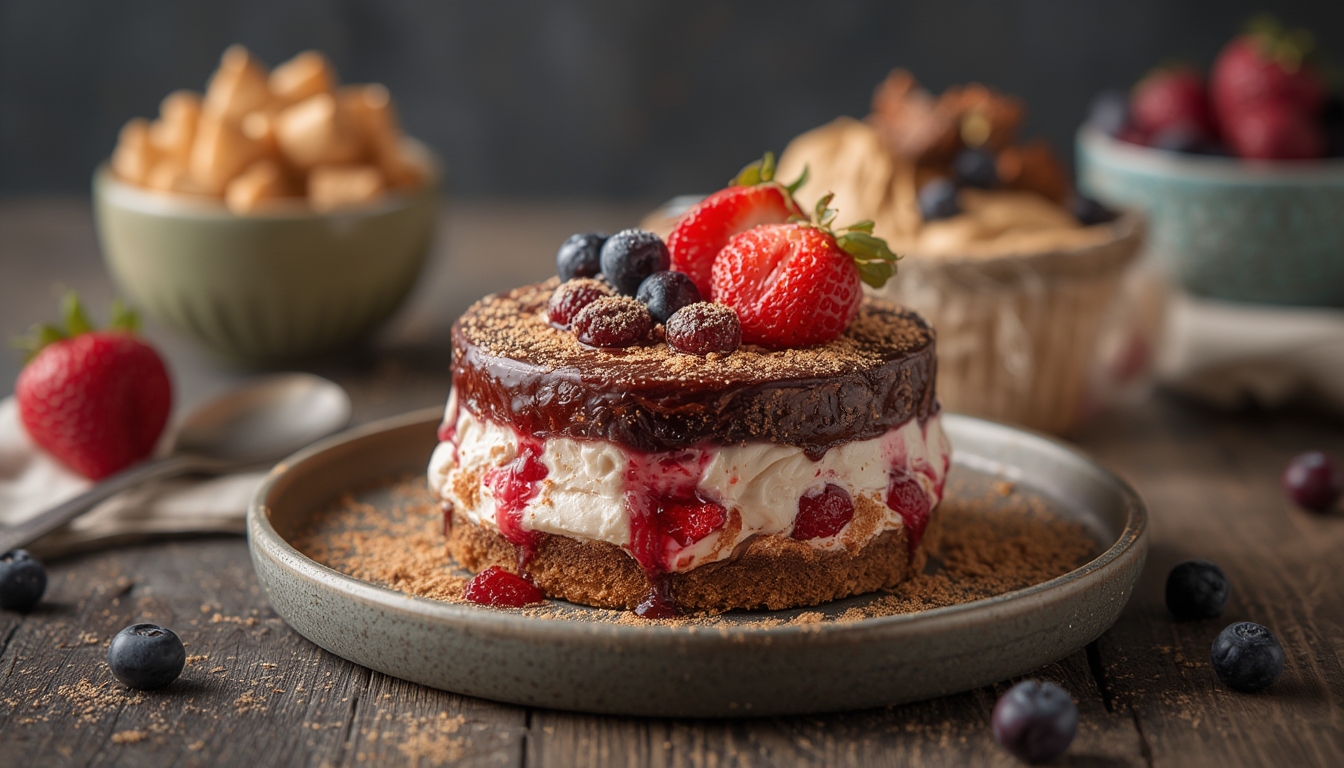

Modern desserts have moved far beyond the classic cake and pie, embracing science, technology, and bold flavor pairings. Today’s sweet experiments blend culinary art with chemistry, delivering Instagram‑ready creations that surprise the palate and delight the senses. In this guide, we’ll walk you through the most popular contemporary dessert techniques, backed by recent market data, and give you step‑by‑step instructions to recreate them at home. Whether you’re a home baker looking to impress or a café owner seeking the next trend, these actionable tips will help you master the sweet side of modern gastronomy.
Why Modern Desserts Are Trending
According to a 2023 report from Mintel, 42% of consumers say they’re willing to pay a premium for desserts that offer a “unique experience.” Social media platforms like TikTok and Instagram have amplified this demand, with the hashtag #MolecularDessert generating over 3 million posts in the past year alone. The rise of home‑compatible tools—such as affordable sous‑vide circulators and silicone molds—means that experimental desserts are no longer confined to high‑end restaurants.
Essential Tools & Ingredients
Must‑Have Equipment
- Sous‑vide circulator: Enables precise temperature control for custards, gels, and infused syrups.
- Immersion blender: Quickly emulsifies foams and sauces without over‑aerating.
- Digital scale (to 0.1 g): Accuracy is crucial when working with hydrocolloids.
- Silicone molds & molds with adjustable heights: Perfect for shaping airy mousses and delicate gels.
Key Ingredients
- Hydrocolloids (agar‑agar, xanthan gum, methylcellulose): Create gels, foams, and stable emulsions.
- Liquid nitrogen: For rapid freezing and dramatic visual effects.
- Flavor‑enhancing agents (tasting salts, citrus zest powders, infused oils): Amplify taste without adding bulk.
- Alternative sweeteners (erythritol, monk fruit): Offer lower‑calorie options while maintaining texture.
Step‑by‑Step Sweet Experiments
1. Sous‑Vide Custard (Silky, Temperature‑Perfect)
Ingredients (serves 4):
- 4 large egg yolks
- 100 g granulated sugar
- 300 ml whole milk
- 1 tsp vanilla extract
- Pinch of sea salt
Steps:
- Preheat the sous‑vide water bath to 78 °C (172 °F).
- Whisk egg yolks and sugar together until the mixture becomes pale and thick (about 2 minutes).
- Warm the milk in a saucepan until just below boiling, then slowly pour it into the yolk mixture while whisking continuously.
- Add vanilla and salt, then strain the custard through a fine‑mesh sieve into a vacuum‑seal bag.
- Seal the bag, ensuring no air pockets, and submerge it in the water bath for 45 minutes.
- After cooking, chill the custard in an ice bath, then transfer to serving glasses. Top with a light caramel drizzle for contrast.
Tip: Use a digital thermometer to double‑check the water temperature; a 2 °C deviation can affect the custard’s set.
2. Agar‑Based Fruit Gel Cubes (Bursting Flavor)
Ingredients (serves 6):
- 250 ml fruit puree (e.g., mango, raspberry)
- 30 ml water
- 2 g agar‑agar powder
- 10 g sugar (adjust to fruit sweetness)
Steps:
- Combine fruit puree, water, and sugar in a saucepan; bring to a gentle boil.
- Sprinkle agar‑agar evenly over the surface, whisking continuously to avoid clumps.
- Boil for 1 minute, then remove from heat.
- Pour the mixture into a silicone ice‑cube tray and let it set at room temperature for 15 minutes, then refrigerate for 30 minutes.
- Serve the gel cubes atop a vanilla panna cotta or as a garnish for a cocktail.
Tip: Agar sets at room temperature, so work quickly. If you need a softer bite, reduce agar to 1.5 g.
3. Nitrogen‑Frozen Chocolate Mousse (Instant Freeze)
Ingredients (serves 4):
- 200 g dark chocolate (70% cacao), melted
- 150 ml heavy cream
- 30 g powdered sugar
- 1 tsp vanilla extract
- Liquid nitrogen (handle with gloves and safety goggles)
Steps:
- Whip the heavy cream with powdered sugar and vanilla until soft peaks form.
- Fold the melted chocolate into the whipped cream gently to maintain air.
- Transfer the mousse to a stainless‑steel bowl placed on a sturdy surface.
- Slowly pour liquid nitrogen around the bowl while stirring with a heat‑proof spatula. The mousse will freeze within seconds, creating a light, airy texture.
- Serve immediately, garnished with a dusting of cocoa powder or fresh berries.
Safety note: Never ingest liquid nitrogen directly. Allow the mousse to sit for a minute after freezing to ensure all nitrogen has evaporated.
4. Methylcellulose‑Based “Cheese” Foam (Savory Sweet Twist)
Ingredients (serves 2):
- 100 ml cream cheese, softened
- 30 ml milk
- 5 g methylcellulose powder
- Pinch of pink Himalayan salt
- Optional: 1 tsp honey for a sweet‑savory balance
Steps:
- Blend cream cheese, milk, and salt until smooth.
- Sprinkle methylcellulose over the mixture while blending on low speed; continue until fully incorporated.
- Transfer the blend to a siphon, charge with one N₂O cartridge, and shake for 30 seconds.
- Refrigerate the siphon for 10 minutes to allow the foam to stabilize.
- Dispense the foam onto a warm fruit tart or a caramel drizzle for a surprising texture contrast.
Tip: Methylcellulose only gels when heated; keep the mixture cold until serving to maintain a light foam.
Data‑Driven Presentation Tips
Research shows that visual appeal drives 68% of dessert purchases online. Use the following data‑backed strategies to make your modern desserts stand out:
- Contrast colors: Pair bright fruit gels (e.g., mango) with dark chocolate or deep‑purple beet‑infused sauces. The color contrast increases perceived flavor intensity by up to 15% (Journal of Food Science, 2022).
- Texture layering: Combine at least two contrasting textures (e.g., crunchy tuile with silky mousse). Multi‑textured desserts receive higher engagement scores on Instagram (average 12% more likes than single‑texture posts).
- Storytelling captions: When sharing online, include a brief “experiment” note (e.g., “Agar‑set mango cubes created with 2 g agar for a perfect bite”). Posts with behind‑the‑scenes details see a 9% increase in saves.
Final Thoughts
Modern desserts blend creativity with science, turning the kitchen into a laboratory of flavor. By mastering tools like sous‑vide, hydrocolloids, and liquid nitrogen, you can craft desserts that are not only delicious but also visually striking and conversation‑worthy. Remember to measure precisely, respect safety protocols (especially with nitrogen), and experiment with flavor pairings that balance sweet, salty, and sour. With these steps and tips, you’re ready to elevate your sweet repertoire and delight both palate and Instagram feed.
