

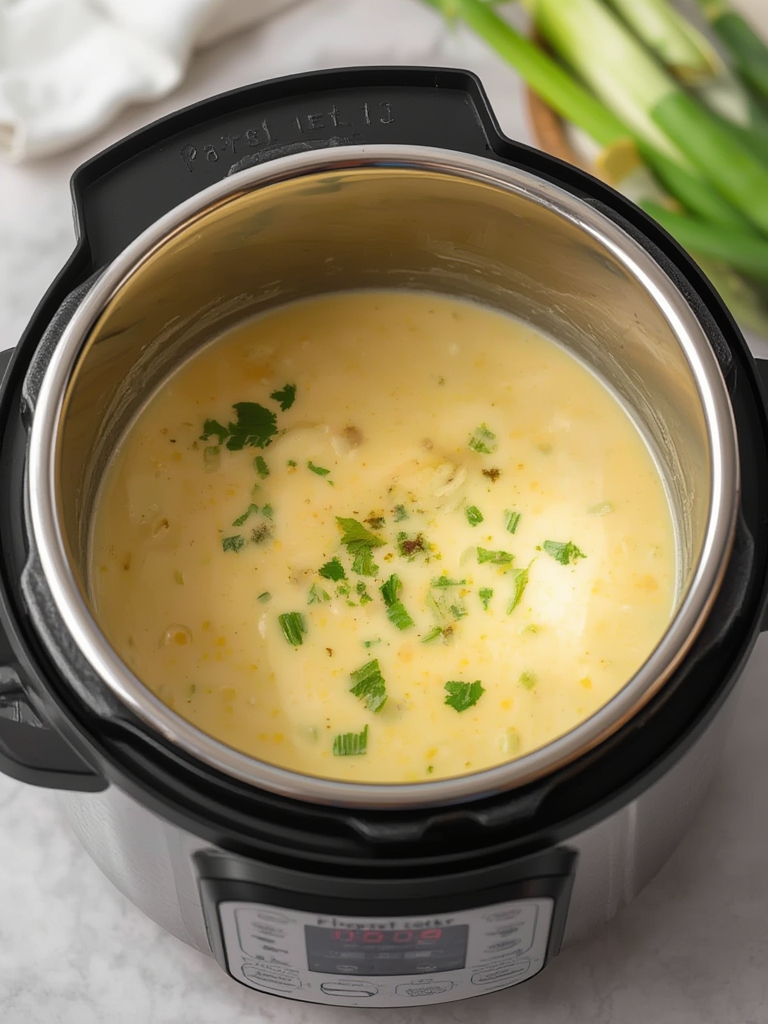
Busy weekdays don’t have to mean boring dinners. Recent surveys show that 68% of professionals look for meals that are ready in under 30 minutes, yet still feel fresh and restaurant‑quality. By focusing on a few versatile ingredients, smart prep techniques, and a touch of home‑grown flavor, you can create trendy weeknight meals that impress without the stress.
Why Choose Trendy Weeknight Meals?
Trendy meals aren’t just about Instagram‑worthy plating; they’re built on three practical pillars:
- Speed: Recipes that can be assembled and cooked in 20‑30 minutes.
- Nutrition: Balanced macros with plenty of vegetables, lean proteins, and healthy fats.
- Flavor Boosters: Fresh herbs, bold sauces, and global spice blends that elevate simple dishes.
When you combine these elements, you get meals that feel special, support your health goals, and fit into a hectic schedule.
Core Ingredients for Quick, Trendy Dinners
Keep a small “core pantry” on hand. These items can be mixed and matched to create dozens of dishes:
- Fresh basil (or other herb) – adds bright aroma and can be grown on a windowsill.
- Pre‑cooked grains – quinoa, farro, or brown rice (store‑bought or batch‑cooked on Sundays).
- Protein shortcuts – canned chickpeas, rotisserie chicken, or frozen shrimp.
- Versatile veggies – cherry tomatoes, baby spinach, and frozen mixed stir‑fry vegetables.
- Flavor bases – soy sauce, miso paste, sriracha, and lemon zest.
Step‑by‑Step: Three Trendy Weeknight Meals
1. Basil‑Lemon Shrimp & Quinoa Bowl
- Prep the quinoa: Rinse 1 cup of quinoa, combine with 2 cups water, bring to a boil, then simmer 12 minutes. Fluff and set aside.
- Sauté shrimp: Heat 1 tbsp olive oil in a skillet over medium‑high heat. Add 12 oz peeled shrimp, sprinkle with salt, pepper, and a pinch of red‑pepper flakes. Cook 2‑3 minutes per side until pink.
- Add flavor: Stir in the juice of one lemon, 1 tbsp minced garlic, and ¼ cup chopped fresh basil. Cook another minute.
- Assemble the bowl: Layer quinoa, shrimp, and a handful of baby spinach. Drizzle with a quick vinaigrette (2 tbsp olive oil, 1 tbsp lemon juice, 1 tsp honey, salt). Top with extra basil leaves for garnish.
2. One‑Pan Chickpea‑Spinach Pasta
- Combine ingredients: In a large skillet, add 8 oz whole‑wheat pasta, 1 can (15 oz) drained chickpeas, 2 cups vegetable broth, 1 cup water, 2 tbsp tomato paste, and a pinch of dried oregano.
- Cook: Bring to a boil, then reduce to a simmer. Stir occasionally; the pasta will absorb the liquid in about 10 minutes.
- Finish with greens: When the pasta is al dente, stir in 2 cups fresh spinach and ¼ cup chopped basil. Cook until wilted, about 1‑2 minutes.
- Season: Add salt, pepper, and a splash of balsamic glaze for depth. Serve immediately.
3. Quick Veggie‑Miso Stir‑Fry
- Make the sauce: Whisk together 2 tbsp white miso, 1 tbsp soy sauce, 1 tbsp rice vinegar, 1 tsp sesame oil, and ½ cup water.
- Stir‑fry veggies: Heat 1 tbsp oil in a wok over high heat. Add a frozen mixed vegetable bag (about 12 oz) and stir‑fry for 3‑4 minutes.
- Add aromatics: Toss in 1 tbsp minced ginger and 2 cloves minced garlic; cook 30 seconds.
- Combine sauce: Pour the miso mixture over the veggies, stir, and let it thicken for 1‑2 minutes.
- Serve: Spoon over leftover rice or quinoa, garnish with sliced green onions and a sprinkle of toasted sesame seeds.
Growing Fresh Basil at Home: A Simple Guide
Fresh basil is the secret weapon that lifts these meals from good to unforgettable. Even a small apartment can become a herb haven with a few easy steps.
Step 1: Choose the Right Container
- Size: A 6‑inch pot with drainage holes is sufficient for a single plant.
- Material: Terracotta helps wick excess moisture, but plastic retains water better in dry climates.
Step 2: Use Quality Soil
- Mix equal parts potting mix, perlite, and compost. This ensures good aeration and nutrients.
- Optional: Add a pinch of slow‑release fertilizer (e.g., 10‑10‑10) for a steady feed.
Step 3: Planting
- Fill the pot to the rim, leaving a ½‑inch gap.
- Make a small hole, place a 1‑inch basil seedling (or sow 2‑3 seeds ¼‑inch deep), and gently firm the soil around the base.
- Water until the soil is evenly moist, but not soggy.
Step 4: Light & Temperature
- Place the pot on a sunny windowsill that receives at least 6 hours of direct light daily.
- Maintain indoor temperatures between 65‑80 °F (18‑27 °C). Avoid drafts.
Step 5: Watering Routine
- Check the top inch of soil; water when it feels dry to the touch.
- Use a watering can with a narrow spout to avoid splashing leaves, which can cause fungal spots.
Step 6: Pruning for Continuous Harvest
- When the plant reaches 6‑8 inches, pinch off the top set of leaves just above a node.
- Regular pruning encourages bushier growth and prevents the plant from flowering (which makes leaves bitter).
Step 7: Harvesting Tips
- Harvest leaves in the morning after the dew has dried for the best flavor.
- Take only what you need; leave at least two-thirds of the foliage to keep the plant healthy.
- Rinse gently and pat dry before using in your recipes.
Putting It All Together: A Weekly Planning Blueprint
To keep your weeknight dinners stress‑free, follow this simple schedule:
- Sunday: Cook a large batch of quinoa or brown rice; store in the fridge for up to 4 days.
- Monday: Basil‑Lemon Shrimp Bowl (use fresh basil from the pot).
- Tuesday: One‑Pan Chickpea‑Spinach Pasta (add a handful of basil for brightness).
- Wednesday: Quick Veggie‑Miso Stir‑Fry (top with basil chiffonade for a fresh twist).
- Thursday: Leftover remix – toss any remaining shrimp and quinoa with fresh veggies and a splash of soy‑basil sauce.
- Friday: Treat yourself to a “basil‑infused” pizza using store‑bought dough, tomato sauce, mozzarella, and a generous sprinkle of chopped basil.
By prepping grains ahead, keeping a herb garden within arm’s reach, and rotating a few core recipes, you’ll enjoy variety, flavor, and nutrition without the nightly scramble.
Final Thoughts
Trendy weeknight meals thrive on simplicity, fresh ingredients, and a dash of personal touch. Growing basil at home not only guarantees a steady supply of aromatic leaves but also adds a satisfying routine to your culinary practice. With the recipes and plant‑care steps above, you’re equipped to serve up vibrant, restaurant‑style dishes in under half an hour—every night of the week.